Seventy taxi and minicab drivers were arrested and charged for sexual offences in London over a three-year period, with the number of cases rising sharply each year and more than a third of the crimes committed against passengers in transit, new police data has revealed.
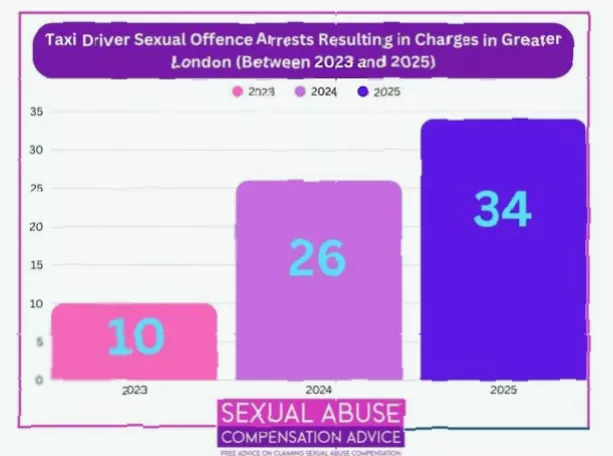
The figures, obtained by Sexual Abuse Compensation Advice via a Freedom of Information request, show the Metropolitan Police recorded 70 arrests resulting in charges against drivers between January 2023 and December 2025. The offences included sexual assault, rape, and assault by penetration. The annual total rose from 10 in 2023, to 26 in 2024, and 34 in 2025.
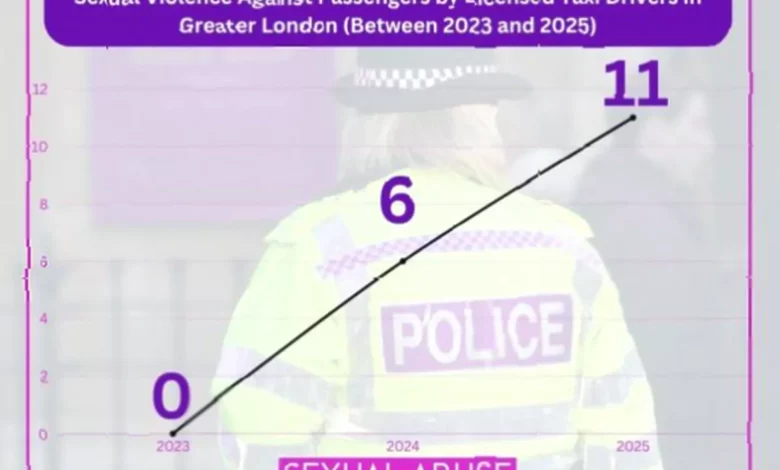
Of the 70 charges, 17 offences were committed against passengers during journeys. These passenger-related incidents rose from zero in 2023, to six in 2024, and nearly doubled to 11 in 2025. The majority of offences, however—52 of the 70—were committed while the driver was off duty. This category included 31 rapes and three attempted rapes.
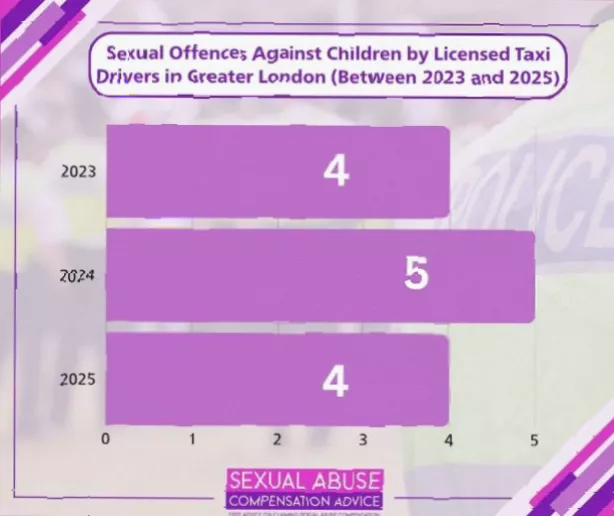
A deeply concerning subset of the data involves crimes against children. The Met recorded 19 offences against minors over the three years. This included two rapes of girls aged 13 to 15 in 2024. Other off-duty offences from 2025 included sexual communication with a child, attempted rape, and the sharing of intimate images intended to cause distress. Several historical cases involved gross indecency with a child, indecent assault on a girl under 14, and assaulting a boy under 13 by touching.
Questions over licensing and vetting procedures
The data has intensified scrutiny of the systems meant to keep passengers safe, raising fundamental questions about the adequacy of taxi licensing and vetting procedures. Licensing standards for taxi and private hire drivers currently vary between local authorities, a patchwork system that has long prompted calls for a single, rigorous national approach.
In London, Transport for London (TfL) holds responsibility for licensing. A TfL spokesperson stated that the authority takes reports of sexual offences seriously and investigates all complaints against TfL-licensed drivers. TfL can suspend or revoke a driver’s licence immediately if they believe the individual poses a risk to public safety, even before a criminal charge or conviction. Data from February 2026 revealed almost 500 private-hire drivers lost their TfL licences in the previous year for various offences, including serious sexual misconduct.
Nationally, the government is moving towards introducing mandatory minimum standards. This follows concerns highlighted in Baroness Casey’s audit into Group-based Child Sexual Exploitation and Abuse. An amendment to the English Devolution and Community Empowerment Bill would allow the Transport Secretary to introduce these standards, which are expected to focus on more robust vetting and passenger safety, and will be subject to public consultation.
The recent figures are part of a longer-term trend. In 2018, sexual offence allegations against London taxi and private hire drivers rose by 81% in a single year, with 294 allegations recorded. A 2017 report noted a 20% rise in alleged sexual assaults by such drivers across England and Wales between 2014 and 2017.
Ellie Lamey, a specialist at Sexual Abuse Compensation Advice, said the disclosures highlighted “a deeply concerning breach of public trust.” She emphasised the vulnerability of passengers, stating, “Passengers place their physical safety entirely in the hands of drivers within an isolated, enclosed environment… This data must be a wake-up call for licensing boards. We need universally stringent vetting and robust safeguarding measures.” She added that many survivors feel too intimidated or frightened to report the abuse.
Police response and specialist operations
In response to the figures, a Metropolitan Police spokesperson said the force was committed to tackling sexual violence and abuse. The spokesperson pointed to major improvements in victim support, including bespoke training for more than 23,000 officers and staff, and expanded specialist teams to pursue predatory offenders.
The Met stated this approach had contributed to it tripling charges for rape and serious sexual offences. A key part of this work falls under Operation Soteria, a national programme rolled out across all police forces in England and Wales in July 2023, which focuses on a victim-centred, suspect-focused method of investigating rape and serious sexual offences. The Met has prioritised resources for local teams dedicated to these crimes, including an uplift of 238 officer posts.
“We will continue to work closely with TfL, British Transport Police and local partners, recognising that lasting safety on all aspects of the capital’s transport network requires a coordinated, city-wide response,” the Metropolitan Police spokesperson said.
While police and TfL efforts have often focused on the acute danger posed by unlicensed and unbooked minicab drivers—alleged offenders in a majority of rape offences—the new data confirms that licensed drivers are also implicated in serious crimes, both on and off duty. For victims, the trauma can be life-changing, and in civil cases, they can sue the driver personally and potentially the employing company for negligence if a failure in duty of care can be proved.