A spiralling energy crisis triggered by conflict in the Middle East has forced Britain’s leading economic forecasters to tear up their assumptions, with warnings that higher inflation will now stalk the UK economy for at least another year, crushing growth and pushing unemployment higher.
The influential British Chambers of Commerce (BCC) issued a stark revision, stating the Consumer Prices Index (CPI) will now end 2026 at 2.7%, significantly above its previous 2.1% forecast and the Bank of England’s 2% target. It attributed the shift directly to soaring oil and gas prices, warning the geopolitical shock could add approximately 0.4 percentage points to inflation this year.
This gloomy prognosis was echoed by analysis from Oxford Economics, which also projects average consumer price growth of 2.7% for the year, and Capital Economics, which suggested the conflict could add between 0.3 and 1.2 percentage points to CPI depending on the severity of market disruptions.
Energy Shock Reverberates Through Economy
The mechanism for this inflationary surge is a violent constriction in global energy supplies. The Strait of Hormuz, a chokepoint for about 20% of the world’s oil and gas, has been severely disrupted. In early March, QatarEnergy halted liquid natural gas (LNG) production at its main facilities and declared force majeure.
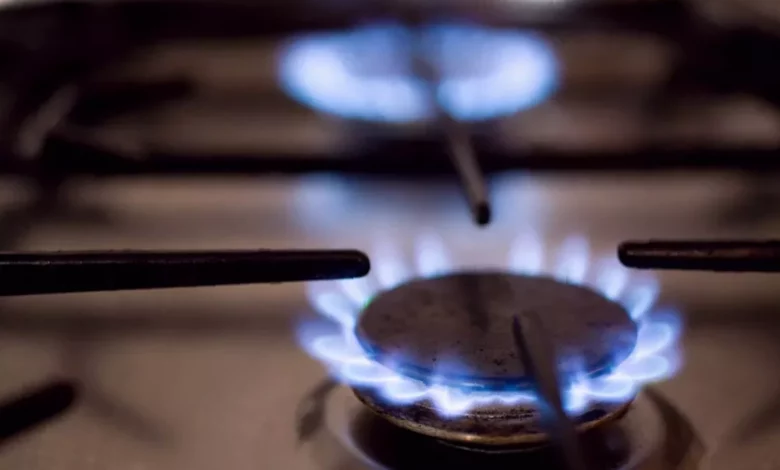
The consequences have been immediate and severe. UK wholesale energy prices have surged by approximately 50%, tracking European benchmarks which are over 60% higher than pre-crisis levels. Oil prices breached $100 a barrel for the first time since 2022, with Brent crude briefly hitting $119. At the pumps, petrol prices have risen sharply, with analysis suggesting they could reach at least £1.90 a litre, echoing the crisis of 2022.
Chancellor Rachel Reeves acknowledged the mounting pressure, warning on Monday that the conflict is “likely to put upward pressure on inflation over the coming months.” Following a virtual meeting of G7 finance ministers to discuss a co-ordinated release of international oil reserves, she stated the UK “stands ready” to support such action but noted the group concluded it was “not yet” necessary due to a lack of immediate shortfalls. She also called for action to “guarantee the security of vessels” in the Strait of Hormuz.
Growth Stalls and Job Losses Loom
The inflationary wave is forecast to drown out already weak economic prospects. The BCC now predicts GDP will grow by just 1% this year, down from 1.2%, with the services sector providing limited momentum against expected contractions in construction and manufacturing. Its outlook is even gloomier than the official forecast from the Office for Budget Responsibility (OBR), which last week cut its 2026 growth forecast to 1.1% from 1.4%.
However, the OBR explicitly noted its forecast was finalised before the recent escalation and that the conflict could have “very significant impacts” not yet reflected in its numbers. Other forecasters are more bearish; Oxford Economics has trimmed UK GDP growth for 2026 to 0.8%, while Capital Economics suggests the fallout could reduce GDP by between 0.2 and 0.7 percentage points.
This low-growth environment is expected to fuel a rise in joblessness. The BCC forecasts unemployment will climb to 5.5% this year, a sharp increase from its previous 5.1% prediction, and remain at that level through 2027. The OBR also revised its unemployment forecast upward, expecting a peak of 5.33% in 2026. The labour market has already softened, with the rate rising to 5.2% in the three months to December 2025, its highest level in nearly five years.
David Bharier, head of research at the BCC, said: “The UK economy remains stuck in a low-growth pattern. Our forecast of just 1% growth in 2026 reflects weak productivity, subdued investment and cautious consumer spending.” The group projects business investment will flatline at 0% this year, a severe drop from expected growth of 3% in 2025.
Interest Rates and a Squeeze on Households
The persistence of inflation above target has radically altered the trajectory for interest rates. Prior to the conflict, financial markets had anticipated a Bank of England rate cut as soon as March; that likelihood has now significantly decreased. Analysts now expect the Bank to hold rates steady throughout 2026, with Oxford Economics projecting a policy rate of about 3.75% at year-end.
Mr Bharier warned the energy price spike “could keep inflation firmly above the 2% target and lead the Bank of England to hold the interest rate longer than expected.” This monetary policy squeeze, combined with stagnant wages in real terms, threatens household finances. Oxford Economics expects real household incomes to stagnate in 2026, while Capital Economics estimates they could be 0.2 to 1.1 percentage points lower than previously forecast.
Prime Minister Sir Keir Starmer framed the challenge broadly, stating the longer the war continues, the more likely significant economic damage becomes. The government has instructed the competition watchdog to monitor fuel pump and heating oil prices to prevent profiteering and is considering measures to mitigate the effect of rising costs on energy bills.
While the OBR forecasts inflation will finally return to the 2% target in late 2026, and the BCC predicts a drop to 1.9% in 2027, the path to stability has been made longer and more painful by a crisis whose economic endgame remains, as the BCC put it, “highly uncertain.”