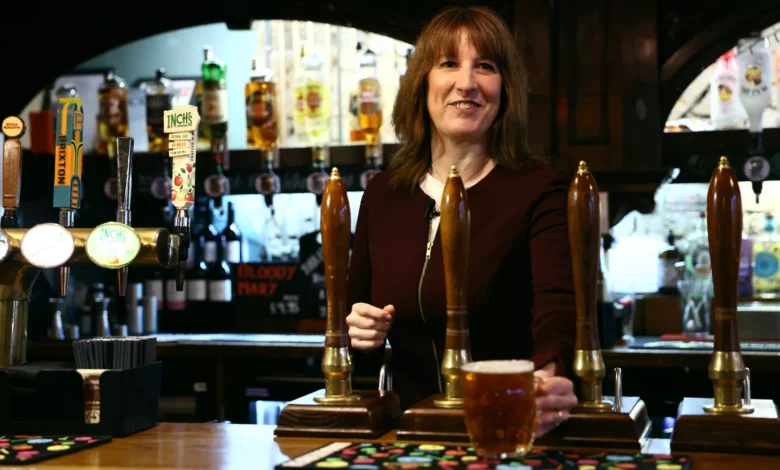
Pub landlords across England and Wales are staring down the barrel of a new “nice pub tax” after HMRC instructed valuation officials to penalise community hubs and venues in attractive locations with higher business rates.
How the ‘Nice Pub Tax’ Works
Under fresh guidance issued by HMRC, valuation surveyors re-rating approximately 40,000 licensed premises have been told to consider a pub’s surroundings and amenities as factors that increase its rateable value. Establishments boasting river frontage, panoramic views, substantial beer gardens, large car parks, children’s playgrounds, or premium food menus will be assessed as having greater value, and thus face a higher tax bill.
Critics have condemned the move as a “tax on scenic success,” warning it will hit the very pubs that form the backbone of community life. The Conservative Party was quick to denounce the measure, branding it a “nice pub tax” and claiming it will force beloved boozers to close their doors for good.
The controversy sits within a broader, complex overhaul of the business rates system in England and Wales. Business rates are calculated based on a property’s rateable value—broadly its estimated annual market rent—multiplied by a government-set multiplier. The hospitality sector already pays what is described as “three times its fair share of rates, as a proportion of its turnover.” Labour has committed to replacing the current framework entirely, aiming to level the playing field between physical high street businesses and online giants, but the immediate reality for landlords is a painful squeeze.
From April 1, 2026, the next business rates revaluation—based on market conditions from April 2024—is expected to see rateable values for pubs rise by an average of 30 per cent. Statistics from the Valuation Office Agency (VOA) indicate that some public houses and pub restaurants could see increases of up to 70 per cent. These sharp rises follow a previous assessment conducted during the Covid-19 pandemic, which deliberately depressed rateable values.
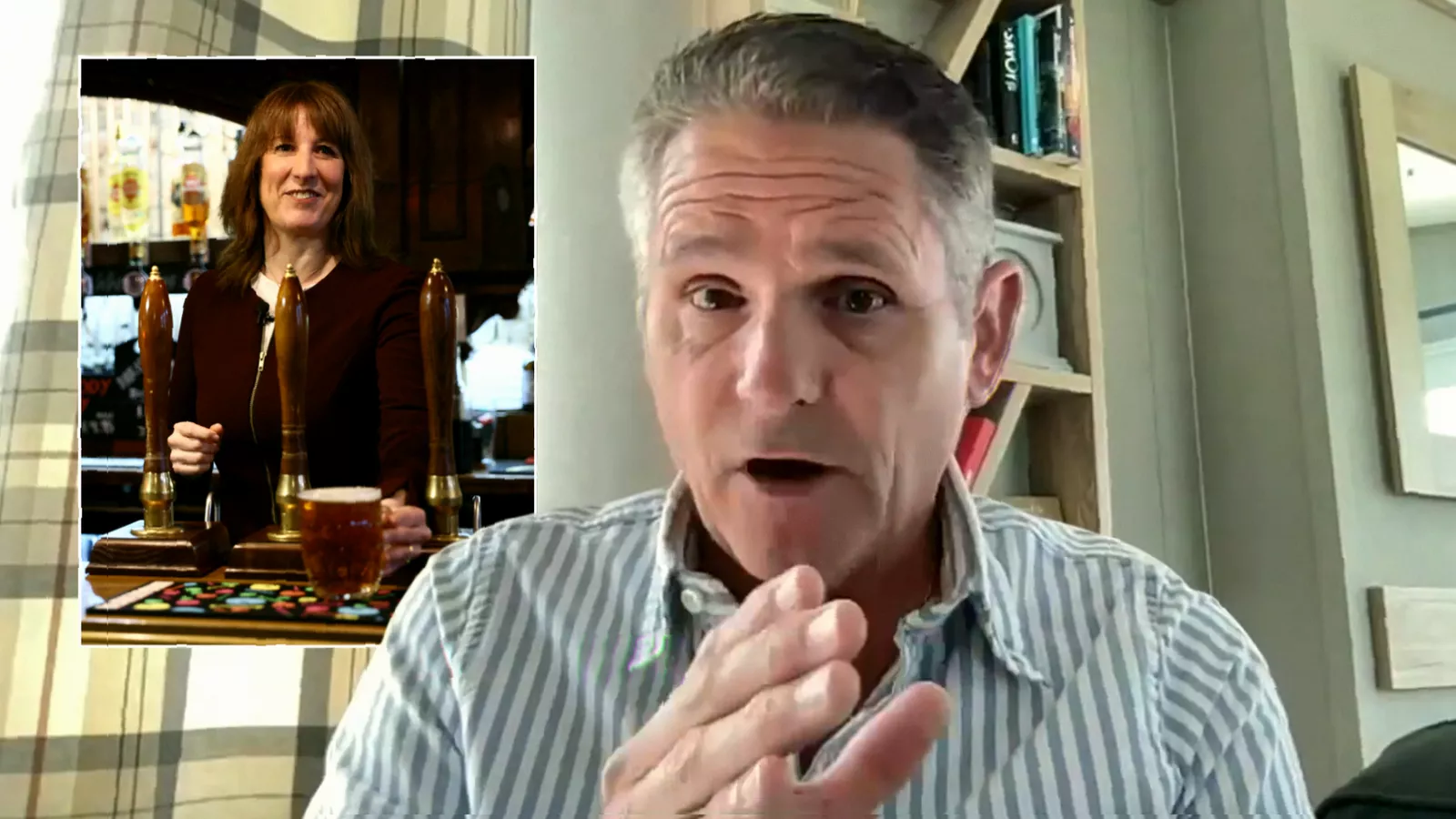
While the government has announced a 15 per cent discount on business rates for pubs and live music venues in England for 2026-27, followed by a two-year freeze—a measure projected to save the average pub around £1,650—the hospitality sector warns this relief may be dwarfed by the soaring base valuations. The temporary 40 per cent Retail, Hospitality and Leisure (RHL) discount is also being scrapped from 2026/27, replaced by a new dual system: a permanently lower multiplier for RHL properties with a rateable value under £500,000, and a higher multiplier for properties valued at £500,000 and above to fund it. Critics, including the trade body UKHospitality, argue the overall support package is insufficient and that many businesses will end up paying significantly more. The Conservative Party has projected that under Labour’s changes, business rates for shops could rise by 259 per cent, restaurants by 267 per cent, and hotels by 398 per cent.
‘The Industry Is on Its Knees’
For those already on the frontline of this policy, the new guidance feels like the final straw. Jonathan Greatorex, landlord of The Hand at Llanarmon, a 16th-century award-winning inn in Denbighshire, Wales, described the policy as “economic vandalism.” Mr Greatorex, who has run the pub for a decade with his wife Jackie, earning two AA Rosettes and regular recommendations in the Michelin Guide, told GB News his business rates had already surged by 70 per cent. The property was listed for sale in May 2024 for £1.3 million.
“It gets madder and madder, and they’re just gaslighting us,” he said. “This government is absolutely mad. My business rates this year have gone up by 70 per cent. This is just lunacy. The industry is on its knees, and it feels like economic vandalism.”
He accused the government of “waging war on hospitality,” arguing that ministers fundamentally misunderstand how commerce works. “What they don’t understand is that unless a business makes a profit, we can’t afford to pay our taxes, can’t afford to pay our staff, and they will go under,” he said. He attributed the policy to “gross incompetence because of course, none of these people has ever had to make a penny. I’m not saying they’ve earned a penny, but they’ve never had to go and make a penny. And that’s the difficult thing. Profit has become a really dirty word with this Government.”
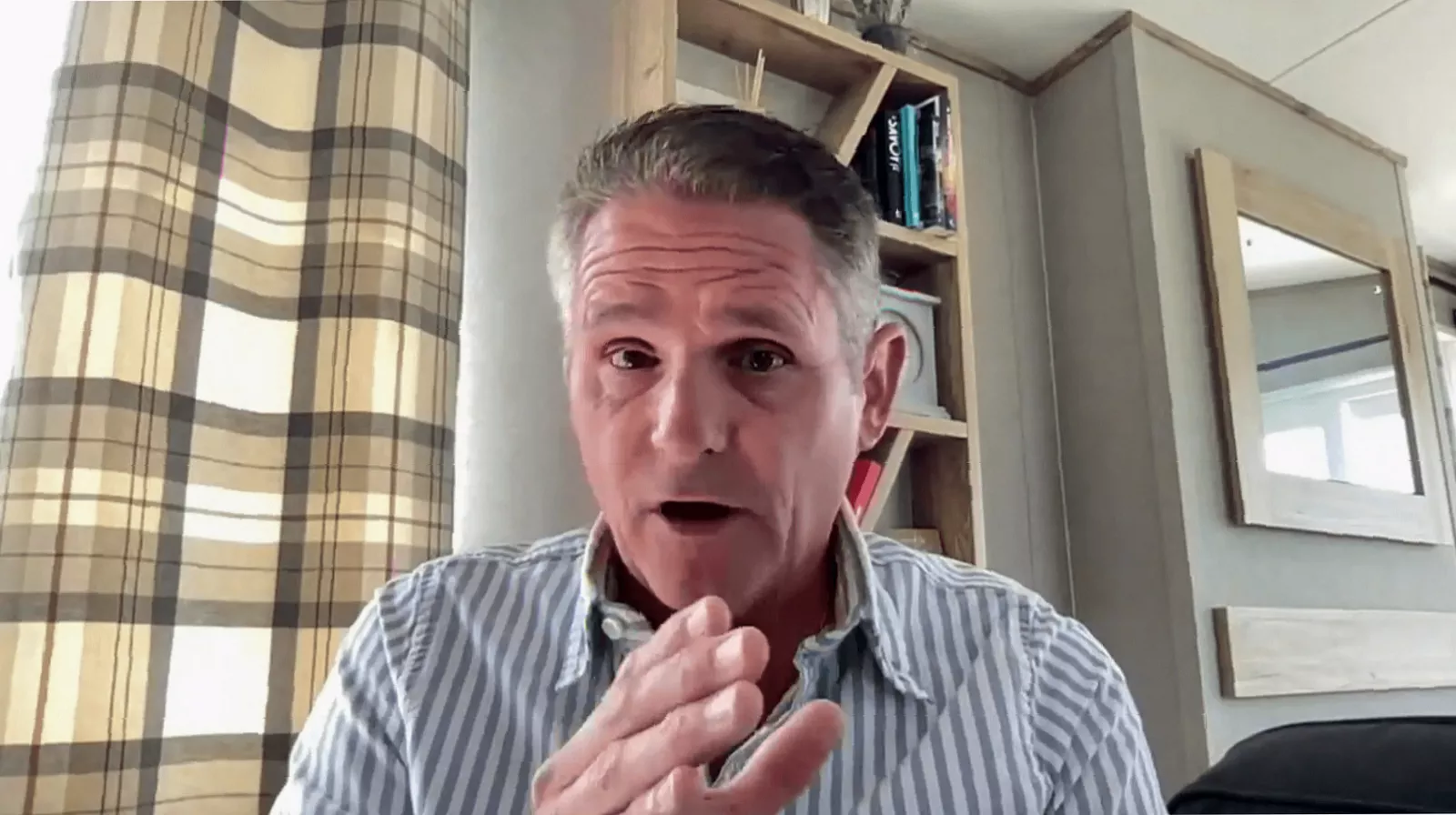
Mr Greatorex highlighted the human cost of the crisis, citing a friend who was forced to close his Michelin-starred restaurant after three decades. “I had a heartbreaking text from a dear friend last night who has run a Michelin Star restaurant for years. He’s reluctantly said he can’t carry on anymore. And he’s been going for 30 years.” Despite meeting with his local Labour MP, who he said “understands he gets it,” Mr Greatorex said the government is “not listening. They are just not listening at all, and it’s terrifying.”
HMRC Fires Back
Facing a growing backlash over the impact of the revaluation, HMRC has moved to defend its position. A spokesman for the department insisted it is backing Britain’s pubs, highlighting a package of support measures: a 15 per cent cut to business rates bills this year, a subsequent two-year freeze, the extension of World Cup opening hours, and an increase to the hospitality support fund, taking it to £10 million to help venues grow.
“HMRC experts have issued standard industry methods which have been used to value pubs for decades,” the spokesman added, pushing back against the notion that the guidance represents a new tax.
However, this defence has done little to soothe an industry already grappling with soaring energy and food costs, persistent labour shortages that have seen it lose 59,000 employees in the past year—making it the worst-hit sector in the UK labour market—and a cost-of-living crisis throttling consumer spending. For many landlords, the combination of a higher rateable value and the removal of temporary relief has created a perfect storm. The Valuation Office Agency is set to merge with HMRC, and with the next revaluation effective on 1 April 2026, the battle lines over the “nice pub tax” have been firmly drawn.