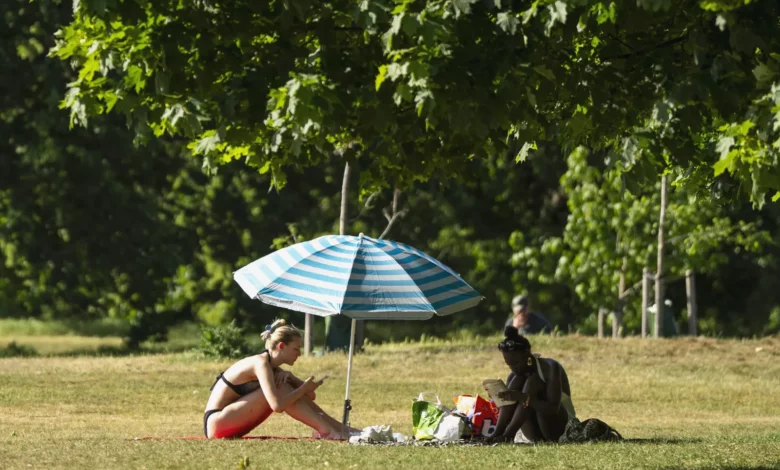
London is braced for a dramatic weather volte-face as the capital hurtles from a searing 35°C heatwave into heavy rain and thunderstorms, marking what the Met Office says will be a first day of meteorological summer that feels “much more like spring or autumn”.
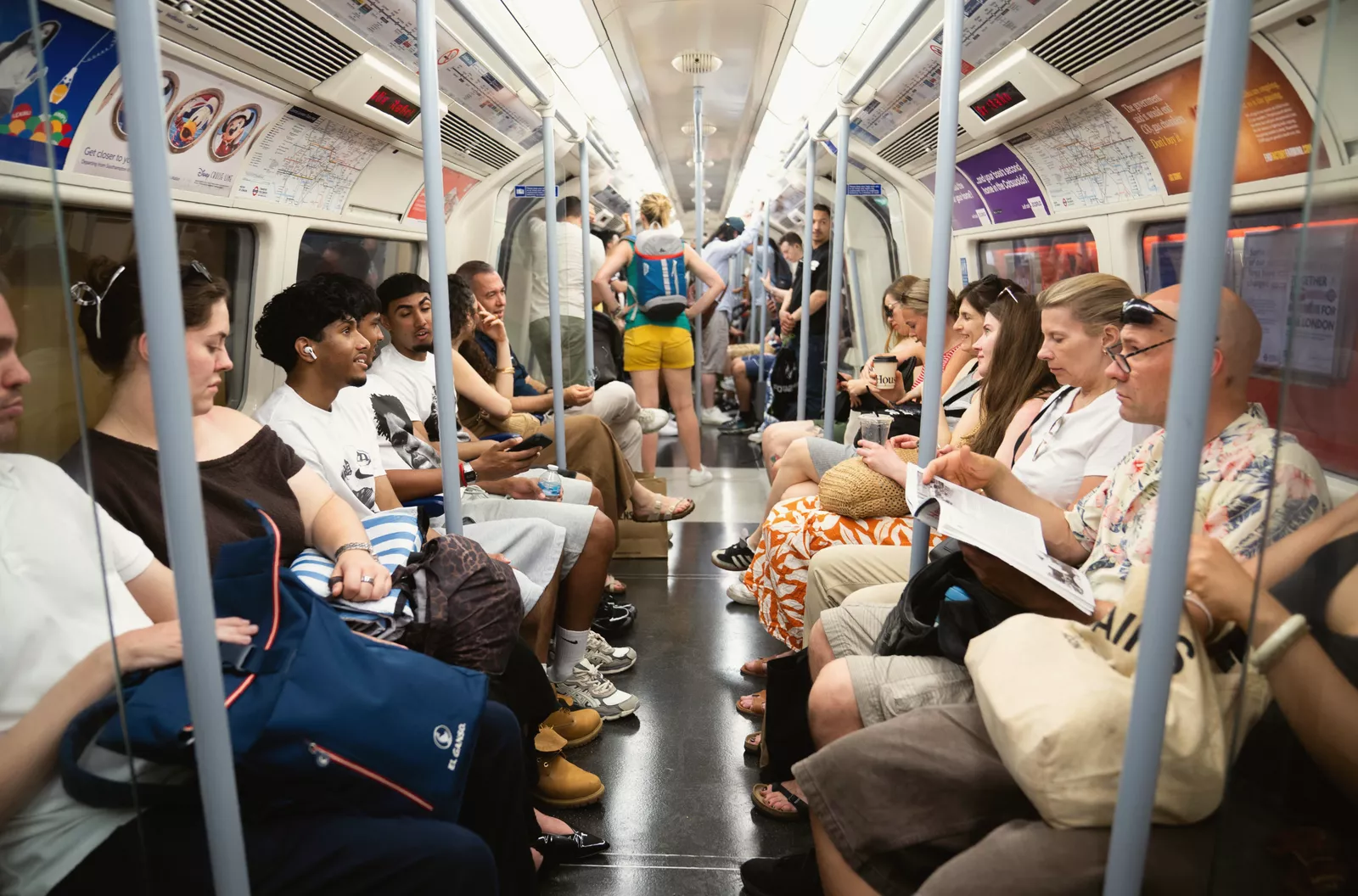
After five consecutive days of record-breaking May temperatures, the start of June will bring a sharp chill. The Met Office’s senior operational meteorologist, Rebecca Mitchell, confirmed on Sunday evening that the heatwave was “over”. Monday is forecast to reach a maximum of 22°C in the capital, with heavy rain expected to sweep in during the evening. Showers are then predicted on Tuesday morning — when millions of commuters are already braced for the first of two 24-hour Tube strikes this week, with the RMT union in dispute over plans for a voluntary four-day working week for drivers. BBC Weather has forecast thunderstorms in London on both Tuesday and Thursday.
Temperatures will continue to slide as the week progresses, struggling to climb above 18°C or 19°C on some days and falling as low as 12°C overnight. Bushy Park in Richmond upon Thames saw the highest temperature of Sunday at 24.7°C, the Met Office said — a pale shadow of the 35.1°C recorded at Kew Gardens just days earlier, which broke the record for the hottest day in May twice in a row.
Wider UK braced for rain and thunder
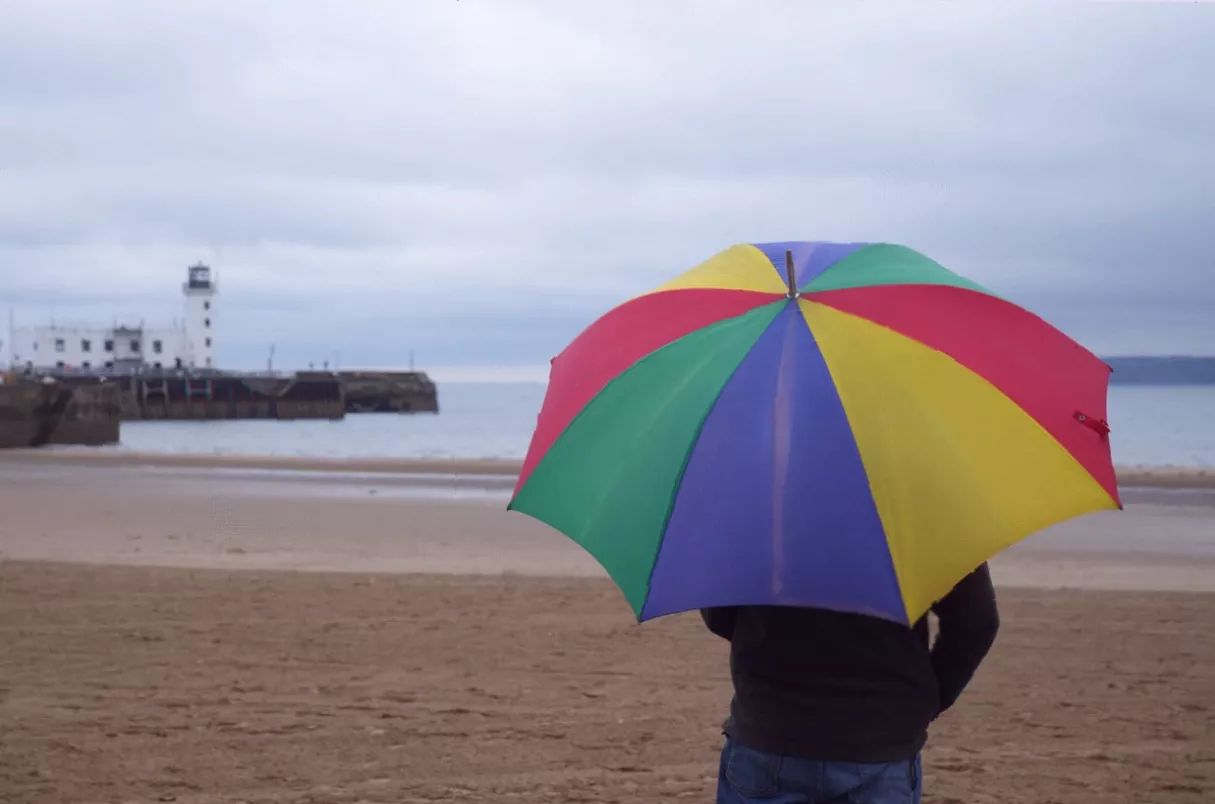
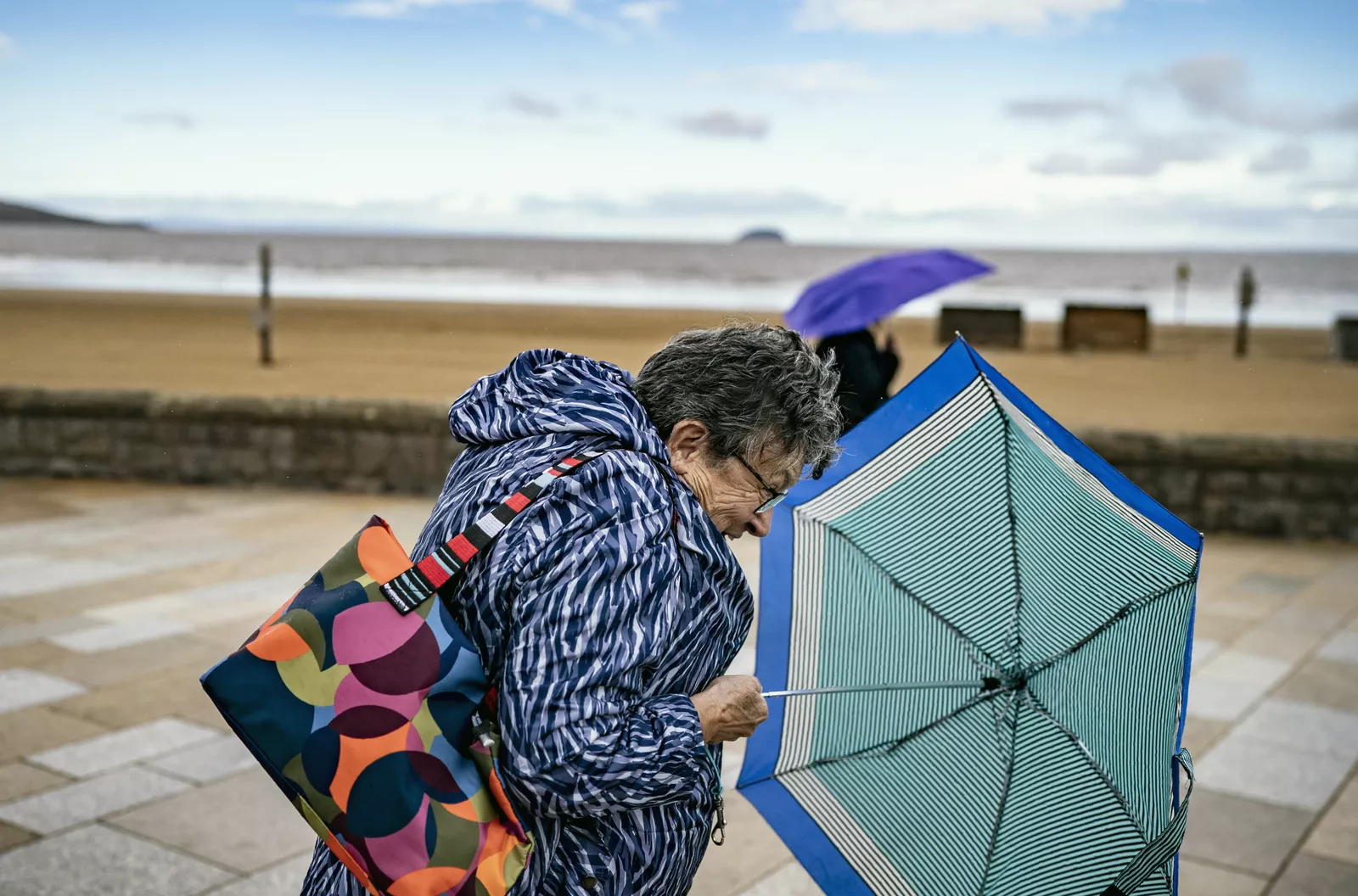
The abrupt change is not confined to London. Ms Mitchell said heavy rain would cross the whole country on Monday, with the most significant totals expected in parts of Wales. “We’re not expecting too many impacts from this because it has been so dry recently for many places, and actually for some areas the rain will be welcome, I think, for gardeners, farmers, anyone hoping for some rain,” she added.
Into Tuesday, the Met Office forecasts heavy showers and potential thunderstorms, particularly affecting central and southern areas including Northern Ireland, Northern England, Southern England and Wales. Further thunderstorms are possible on Thursday, which Ms Mitchell said could hit “just about anywhere across the UK”. For the rest of the week, much of the country will see “unsettled weather” punctuated by sunny spells and highs only in the low 20s. The drop is stark: temperatures will be around 14°C lower in some places than the previous week, settling near the seasonal average of 17–21°C.
The spring just past was the warmest on record for England and Wales, and the third warmest for the UK overall, according to Met Office data. The heatwave brought “tropical nights” to parts of the country for the first time in May, with temperatures failing to fall below 21.3°C. The UK Health Security Agency issued amber health alerts across much of England, warning of significant impacts on health and social care services, and highlighting risks of dehydration, heat exhaustion and heatstroke.
Tragic toll and urgent safety warnings
The blistering weather has exacted a grim human cost. At least 14 people died during the heatwave after getting into difficulties in bodies of water, according to emergency services, prompting urgent safety warnings. In South Yorkshire, police said an 11-year-old boy entered the River Don in Mexborough on Saturday evening and has not been seen getting out. Officers were called to Ferry Boat Lane at 7.59pm. A multi-agency search involving the National Police Air Service, Yorkshire Ambulance Service, South Yorkshire Fire and Rescue, an underwater search team and Mountain Rescue has so far failed to find the child.
Police Constable Simon Bennett, the police search adviser, said: “As we have now lost daylight, the search has become more challenging and we will have to await first light to resume extensive search activities, but we aren’t giving up – police officers will remain at the river Don overnight and we are already putting plans in place for further searches.” He urged the public not to conduct their own searches, saying “we have enough resources”. The boy’s family have been informed and are being supported by specially trained officers.
Separately, North Yorkshire Police said a 13-year-old girl died after being reported missing in the River Wharfe near Burnsall in the Skipton area. Officers were called around 6.30pm on Sunday. The girl was rescued and taken to hospital by air ambulance but later died despite the efforts of emergency services and members of the public. Her identity has not been released.
Across the country, further tragedies have been recorded in recent days, with victims including teenagers and children at locations from Lincolnshire to Cheshire and Cornwall. The Royal Life Saving Society and other water safety experts have issued strong warnings about the dangers of open water, particularly for young people. They highlight the risk of cold water shock — even when air temperatures are high, water can remain dangerously cold — as well as hidden currents and underwater hazards. The National Water Safety Forum notes that periods of hot weather correlate with a rise in accidental drownings.
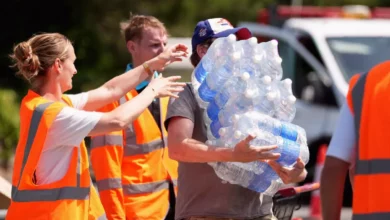
Beyond the waterways, the heatwave also placed severe pressure on infrastructure. Thousands of households in Kent experienced drinking water disruptions over the weekend. South East Water said on Sunday evening that supplies had been restored for “most customers”, including those in Whitstable and Herne Bay, but that more than 4,000 customers may still have been experiencing low pressure or intermittent supply. At the peak of the crisis, around 22,000 people were affected, with the company attributing the problems to high demand and a technical failure at a pumping station near Charing. The company apologised and urged customers to use water only for essential purposes. Water minister Emma Hardy stated that water companies must prepare for more frequent periods of extreme heat and improve resilience, as the independent Climate Change Committee estimates adapting infrastructure could require around £11 billion annually.
Police in South Yorkshire have confirmed they will remain at the River Don overnight and resume extensive searches at first light, with specialist teams on standby from a national network. The search for the 11-year-old boy continues.