Liverpool’s ex-police headquarters Canning Place bought for £17m in waterside redevelopment

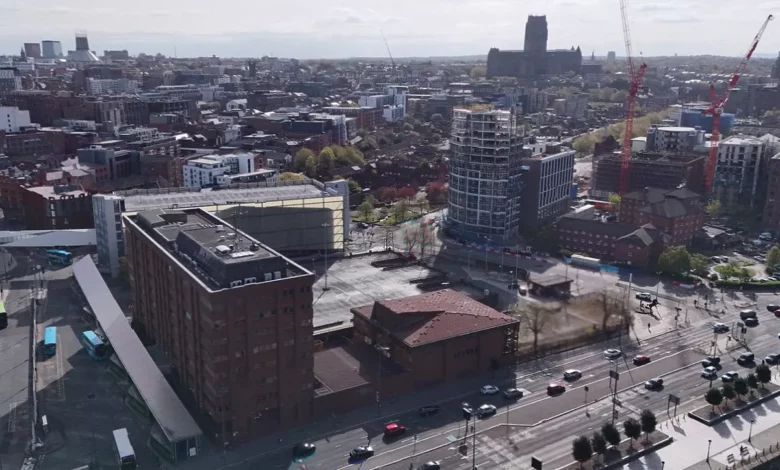
A £17m deal has sold Merseyside Police’s former headquarters, clearing the way for a major waterfront development that could reshape a prime stretch of Liverpool’s iconic waterfront. The sale of Canning Place to Homes England, the government’s housing and regeneration agency, was confirmed by Police and Crime Commissioner Emily Spurrell, bringing to an end the building’s four-decade policing role and unlocking what officials describe as a “vibrant new neighbourhood” near the Royal Albert Dock.
From police hub to mixed-use neighbourhood
Canning Place, a seven-floor structure spanning more than 135,000 square feet, opened in 1977 and served as Merseyside Police’s headquarters for over 40 years. The site, which also includes an annex, car park and gatehouse, occupies a prominent position overlooking the Albert Dock, adjacent to the Liverpool One bus station and the Liverpool ONE retail and leisure complex. Since the force relocated to its new £48 million Rose Hill headquarters in March 2022, Canning Place has been used as a base for various police units and as an operational hub for major events, including the Eurovision Song Contest in May 2023 — described by Merseyside Police as its “biggest ever” policing operation, costing £3 million, of which £2.2 million was reclaimed under special grant arrangements. The operation involved over 5,500 police officer duties and mutual aid from other forces, with researchers from Edge Hill University now studying the multi-agency approach to inform future large-scale events.
The site’s history extends further back. Before policing, it was home to the Liverpool Sailors’ Home, which operated from December 1850 until July 1969, providing lodging, food, medical assistance and educational opportunities for sailors. That building was demolished in 1974. The name “Canning” itself is linked to George Canning MP and the city’s mercantile elite, with the nearby Canning Graving Docks — built in 1765 — having been integral to the transatlantic slave trade.
The sale follows a “rigorous, transparent disposal process” overseen by the PCC’s office. The property was listed on the market for nine weeks, generating 13 proposals from developers. Homes England emerged as the preferred bidder after evaluation against a nine-criteria scoring framework that included tender value, design excellence, social value, the development team’s capability and track record, and environmental and sustainability factors. The criteria themselves reflected input gathered during a prior consultation by the PCC, alongside specifications from Liverpool City Council’s planning department.
Homes England’s regeneration strategy: public engagement at the core
Homes England will now appoint a consultancy team and embark on a programme of public consultations and stakeholder engagement to develop a comprehensive regeneration strategy for Canning Place. The agency’s plans are for a “premium, mixed-use residential-led development” expected to include new housing, a hotel, retail outlets, leisure amenities and green spaces. The ambition is to create a new waterfront neighbourhood that meets local needs and integrates with the surrounding area.
Danielle Gillespie, executive regional director (North West) at Homes England, said the acquisition was “a great example of how, in line with the established Strategic Place Partnership between Homes England and Mayor Steve Rotheram, the public sector can work together to unlock the redevelopment of public sector assets to boost housing and regeneration.” That partnership, between Homes England and Liverpool City Region Mayor Steve Rotheram, is focused on using public land and buildings to accelerate housing delivery and regeneration. Homes England is also involved in the £5.5 billion Liverpool Waters development, a large-scale transformation of derelict dock space into a mixed-use waterfront — a project that has been cited as a factor in the revocation of Liverpool’s UNESCO World Heritage status in 2021.
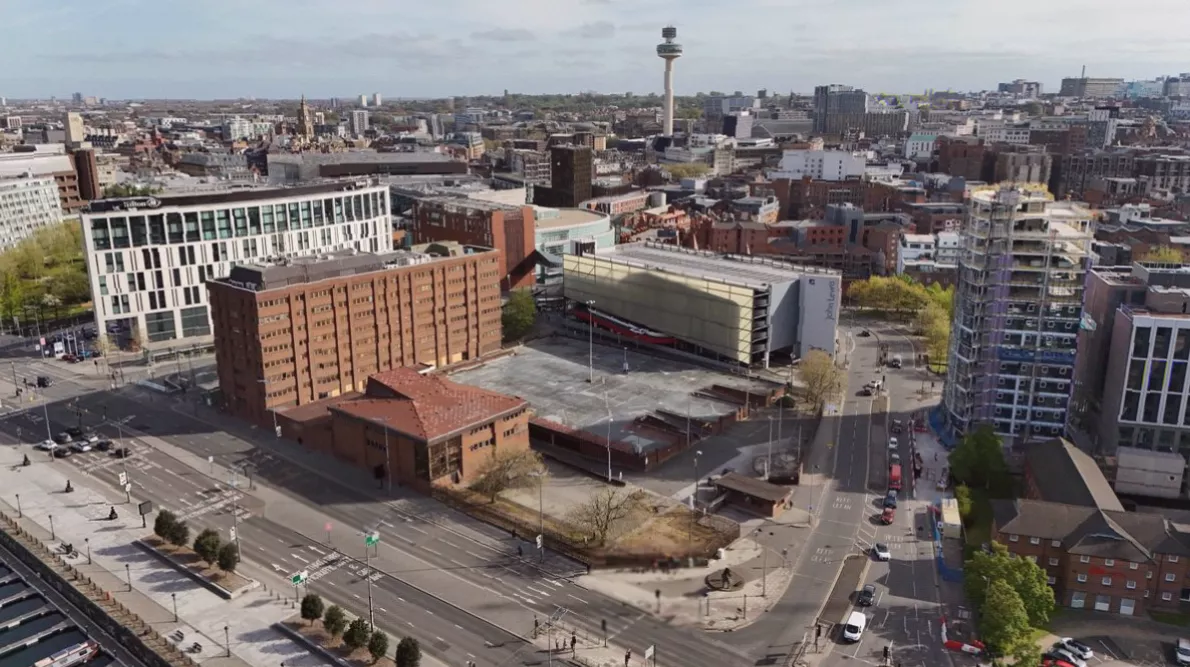
The public consultation process will be central to shaping the final masterplan, with Homes England expected to work closely with Liverpool City Council and other key stakeholders. The agency’s approach reflects a broader shift in how publicly owned sites are being redeveloped, prioritising community input alongside commercial viability. The Royal Albert Dock itself — now a Grade I listed cultural destination housing Tate Liverpool, The Beatles Story and the Merseyside Maritime Museum — stands as a precedent for what can be achieved through sustained regeneration. The expansion of Liverpool ONE, the nearby retail and leisure complex, has also driven visitor numbers and economic activity in the area.
In 2021, the then Conservative government allocated £2 million towards developing a vision for a new Beatles attraction in Liverpool city centre, with Canning Place initially considered as a potential location for an “immersive experience.” Those plans have now been superseded by the mixed-use development proposal, with the site heading in a different direction.
Reinvesting in policing: estate modernisation under way
The proceeds from the £17 million sale will be reinvested into modernising and upgrading Merseyside Police’s premises and facilities, according to the PCC’s office. Emily Spurrell said the sale allowed the force to “take the right steps to reinvest a substantial amount back into our policing estate — delivering on my commitment to provide fit-for-purpose stations and facilities that support our officers, PCSOs and staff to do their jobs effectively and put our communities first.”
The disposal of Canning Place is part of a broader 12-year Estate Strategy aimed at replacing outdated buildings with more cost-effective, flexible and modern facilities. Merseyside Police has already relocated its headquarters to Rose Hill, just off Scotland Road, which formally opened in March 2022. Recent upgrades under the strategy include the refurbishment of Speke Police Station, which reopened in April 2026, and the opening of the Edge Lane Patrol Hub in February 2020. The force said Canning Place was “no longer suitable for a modern, forward-looking police service,” and the sale enables continued investment in frontline infrastructure.