Westminster City Council has warned that council tax bills could soar by up to 75 per cent as the borough faces “unprecedented” funding cuts under Labour’s Fairer Funding Review. The authority’s new Conservative leader, Paul Swaddle, told a full council meeting the situation was “unprecedented” and that there is “no good outcome here”.
The warning comes as the town hall faces being stripped of about £100 million over the next three years under the government’s shake-up of local government finance. Swaddle said the council would have to “make deep savings accordingly”, adding: “A 75 per cent council tax hike is what the Government’s own funding assumes. We are left with a choice that Labour created – increase council tax to that level or cut services. Neither is acceptable.”
The Fairer Funding Review’s Impact
The Fairer Funding Review 2.0 is a reform of the local government finance system that aims to reallocate grants to councils based on updated formulas assessing relative need. A key element is “resource equalisation”, which takes into account a council’s ability to raise money through council tax. Analysis suggests London, particularly inner London boroughs, will be significantly disadvantaged by the changes.
For Westminster, the target figure under the new formula is £118.5 million – a reduction of £100.5 million from the previous year. After floor protection is applied, the three-year reduction is still estimated at £75.9 million. The council is projecting a budget gap of £89 million by 2028-29, even before any council tax rises, and is implementing a transformation programme aimed at delivering at least £30 million in annual savings by the end of the third year.

Westminster currently has the second-lowest council tax in the country, at £1,047.85 a year for a Band D household. The government’s funding figures assume that bills will rise sharply to compensate for the lost grant. Projections indicate the increase could reach 75 per cent over four years, amounting to an extra £390.35 per year for Band D households by 2028-29 – based on assumed annual increases of 5 per cent plus additional flat sums of £150 in 2027-28 and 2028-29.
The council stressed that the 75 per cent figure is what the modelling produces and is not yet a planned hike. However, Swaddle noted that the previous Labour administration had “compounded every pressure through its own reckless choices”, leaving the new Conservative leadership with a difficult inheritance.
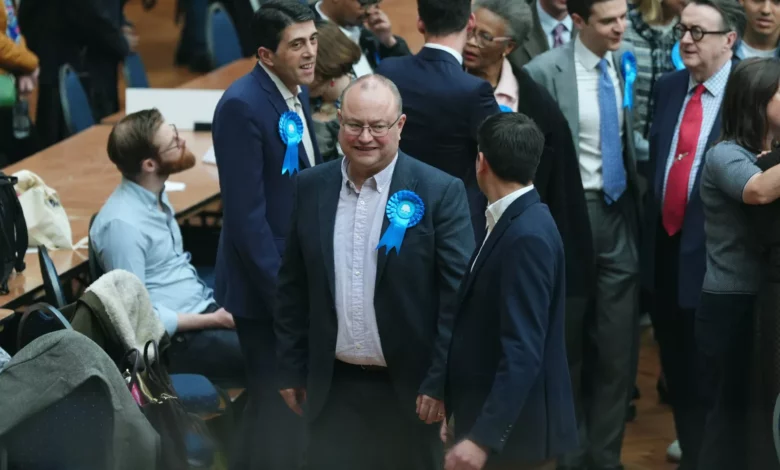
The Conservatives seized back control of Westminster Council from Labour at local elections on 7 May. Swaddle, now council leader, reminded members that he had warned residents before the election that “the budget stored up pain for years to come”.
Westminster is not alone. Kensington and Chelsea, Hammersmith and Fulham, Wandsworth, the City of London, and Windsor and Maidenhead are also among the six town halls facing the largest cuts under the new funding settlements. All six will be exempt from the usual 5 per cent cap on council tax rises without a referendum for the 2027-28 and 2028-29 financial years, meaning bills could increase well above the national maximum to cover shortfalls.
Residents in these areas are also expected to be disproportionately affected by a potential “mansion tax” or “Family Home Tax” reportedly under consideration by the Labour government, with speculation that the threshold could start as low as £500,000 – hitting many ordinary households in high-value boroughs.
Westminster has a high proportion of properties in the top council tax bands (G and H), which gives it significant revenue-raising capacity. But the “resource equalisation” element of the Fairer Funding Review uses that very capacity to justify deeper grant cuts – a mechanism that critics say penalises inner London for its property wealth.
The council has faced budgetary pressures before. In the 2023-24 financial year it recorded a $6.3 million deficit, requiring the use of reserves. A decade earlier, a $10.4 million hole opened up after the abolition of the local redevelopment agency. More recently, in the 2026-27 budget, Westminster had planned to freeze the main element of council tax, with only a 2 per cent increase in the adult social care precept – amounting to a 20p per week rise for Band D payers. The contrast with the current 75 per cent warning is stark.
From 1 April 2025, Westminster also imposed a 100 per cent Second Home Premium, adding further to the financial pressures on property owners in the borough.
Government’s Justification
Ministers have argued that the six councils affected have “historically very low bills” and that the exemption from the referendum cap gives them the “flexibility” needed to raise revenue over a two-year period. The government’s “core spending power” calculations for all councils already assume significant increases in council tax revenue to offset grant reductions, and the Fairer Funding Review is designed to “equalise resources” across the country.
Critics, however, say the reforms will hit councils like Westminster disproportionately hard because they have high property values but also serve dense urban populations with significant needs. London Councils has warned that the capital’s local authorities could collectively be around £750 million worse off under the changes, a figure echoed by the Institute for Fiscal Studies.