Shares in JD Wetherspoon suffered a sharp sell-off on Friday, plunging 10 per cent in early trading, as investors reacted to a steeper-than-expected drop in profit despite the pub chain continuing to attract customers through its doors.
The company revealed a 32 per cent fall in pre-tax profit to £22 million for the first half of its financial year, with operating profit down 18 per cent to £53 million. This performance lagged behind analyst forecasts, which had anticipated an eight per cent decline to around £60 million. The slump leaves the FTSE-listed firm’s shares at 555p, a full 25 per cent lower since the start of the year. Analysts currently maintain a consensus rating of “Reduce” for the stock.
A Puzzle of Rising Sales and Falling Profits
The decline presents a puzzle, given the company’s sustained sales growth. Revenue climbed 5.7 per cent to £1 billion, while like-for-like sales increased by five per cent over the half-year. This outstripped a wider industry trend that saw a 0.2 per cent dip in sales across the hospitality sector in February. Indeed, Wetherspoon has now outperformed the industry average for sales for 42 consecutive months.
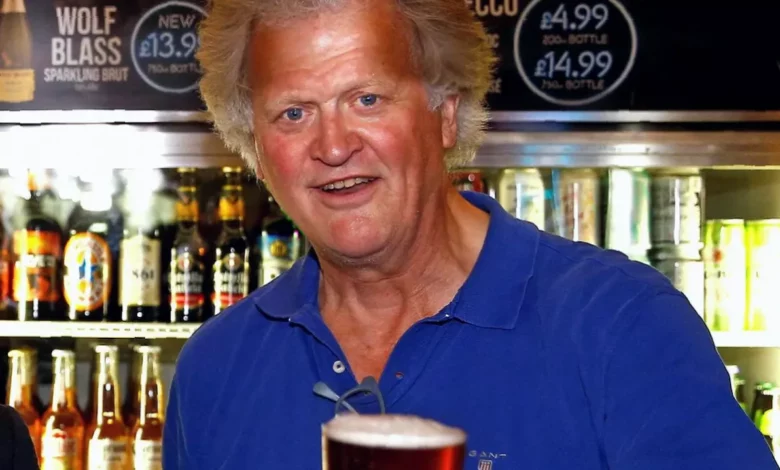
However, a slowdown in the most recent period may be signalling growing consumer pressure. In the seven weeks to 15 March, like-for-like sales growth eased to 2.6 per cent. The central issue, as outlined by the company’s founder and chairman Tim Martin, is a perfect storm of escalating costs overwhelming solid top-line performance.
In a statement, Martin pointed to a £60 million annual hit from rises in national insurance and the minimum wage, with an additional £7 million in energy costs. He warned that these increases “will undoubtedly add to underlying inflation in the UK economy,” though he pledged Wetherspoon would “endeavour to keep price increases to a minimum.”
The Hospitality Sector’s Mounting Cost Crisis
Wetherspoon’s experience is a high-profile example of a crisis engulfing the entire UK hospitality sector. From April, the National Living Wage for those aged 21 and over will rise to £12.71 per hour. According to industry body UKHospitality, combined increases to wages and national insurance will add an estimated £1.4 billion in costs to the sector this year.
Energy remains a critical pressure point. While Wetherspoon is shielded by a fixed-price energy contract until 2029—a significant advantage over many rivals—the broader market is in turmoil. The ongoing conflict in the Middle East, specifically the Iran war, has triggered a surge in global oil and gas prices. Wholesale gas prices for April 2026 are reported to be up 52 per cent.
Martin had cautioned last week that elevated energy costs resulting from the conflict would affect pubs, telling The Telegraph that higher bills “make customers poorer and also push up the cost for suppliers.” He has also been critical of so-called “non-commodity” costs—taxes and levies added to electricity bills—which alone add £7 million annually to Wetherspoon’s expenses.
UKHospitality has warned that small and independent pubs, especially those off the gas grid or reliant on oil, are acutely exposed to oil price spikes stemming from Middle East supply disruptions. The trade body has called for urgent government support on energy, noting that sector energy costs rose by over 150 per cent on average between 2021 and 2023. It has also urged the Competition and Markets Authority to investigate the energy market over concerns that small businesses may have been overcharged.
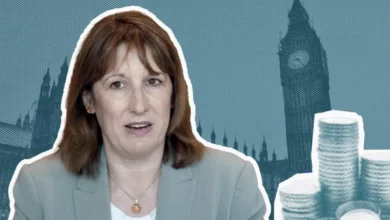
Further cost headaches are legislated. A new “Extended Producer Responsibility” levy on packaging is set to triple Wetherspoon’s annual expenditure on this tax from £800,000 to £2.4 million this year. Meanwhile, reforms to business rates from April, which see the end of Covid-era relief, are causing anxiety. UKHospitality estimates the average pub will pay an extra £1,400 this year, though Chancellor Rachel Reeves has indicated upcoming support will primarily benefit pubs.
This barrage of costs has led pub operators to describe a recent £300 million emergency business rates package as a mere “sticking plaster.”
Broader Economic Headwinds
The sector’s struggles are unfolding against a fraught macroeconomic backdrop. The geopolitical instability is contributing to inflation and influencing the Bank of England, which has held interest rates steady, abandoning earlier expectations of a cut. Inflation could be pushed to 3.5 per cent or higher due to energy-led price spikes.
“There is clearly considerable pressure on consumer finances, combined with higher taxes, wages and energy costs for the hospitality industry,” Tim Martin concluded.
Despite the immediate challenges, Wetherspoon continues to expand, having opened six managed pubs and eight franchised sites in the first half. It plans to open approximately 15 managed and 15-20 franchised pubs in the full financial year. The company also held its interim dividend steady at 4p per share.
The outlook for the wider hospitality industry remains a mix of cautious optimism and severe strain. While domestic tourism and experiential offerings provide hope, over 50 per cent of UK restaurant owners cite rising ingredient and energy costs as their primary challenge for 2026. For now, Wetherspoon’s results underscore a harsh reality: in today’s climate, even rising sales are no guarantee of robust profits.