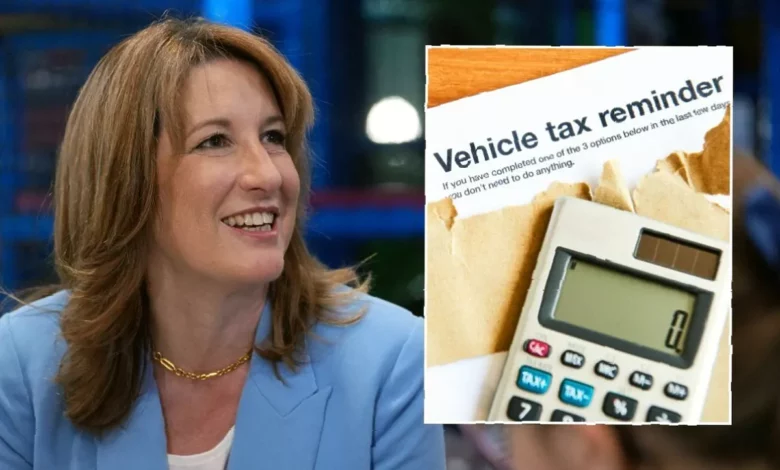
Rural drivers will face the highest per-driver annual cost from the government’s new pay-per-mile tax, according to fresh analysis that lays bare a stark geographical divide in the burden of the proposed levy.
Motorists in constituencies such as Caithness, Sutherland and Easter Ross, and South West Norfolk are estimated to pay between £247 and £260 each per year under the planned Electric Vehicle Excise Duty (eVED). That is more than three times the £79 a year expected from drivers in the City of London and Westminster, analysis by the British Vehicle Rental and Leasing Association (BVRLA) and New AutoMotive shows.
Disproportionate impact on rural communities
The disparity is driven by simple geography. Rural residents typically have to travel far longer distances to reach work, schools, shops and medical appointments, with few alternatives to the car. “People who live in less connected areas don’t drive more because they want to: they drive more because they have no choice,” said Toby Poston, chief executive of the BVRLA. “Their towns don’t have the luxury of the network of trains, tubes and cycle lanes that make car-free living possible in cities.”
While urban constituencies with high electric vehicle uptake – such as Brent East (£7.6 million total annually), Stockport (£6.1 million), Leeds South (£5.7 million), Peterborough (£5.4 million) and Exeter (£4.75 million) – will see the highest total eVED bills because of fleet size, the per-driver cost is consistently higher in rural areas. High-mileage, low-fleet parliamentary constituencies are expected to bear the brunt of the tax.
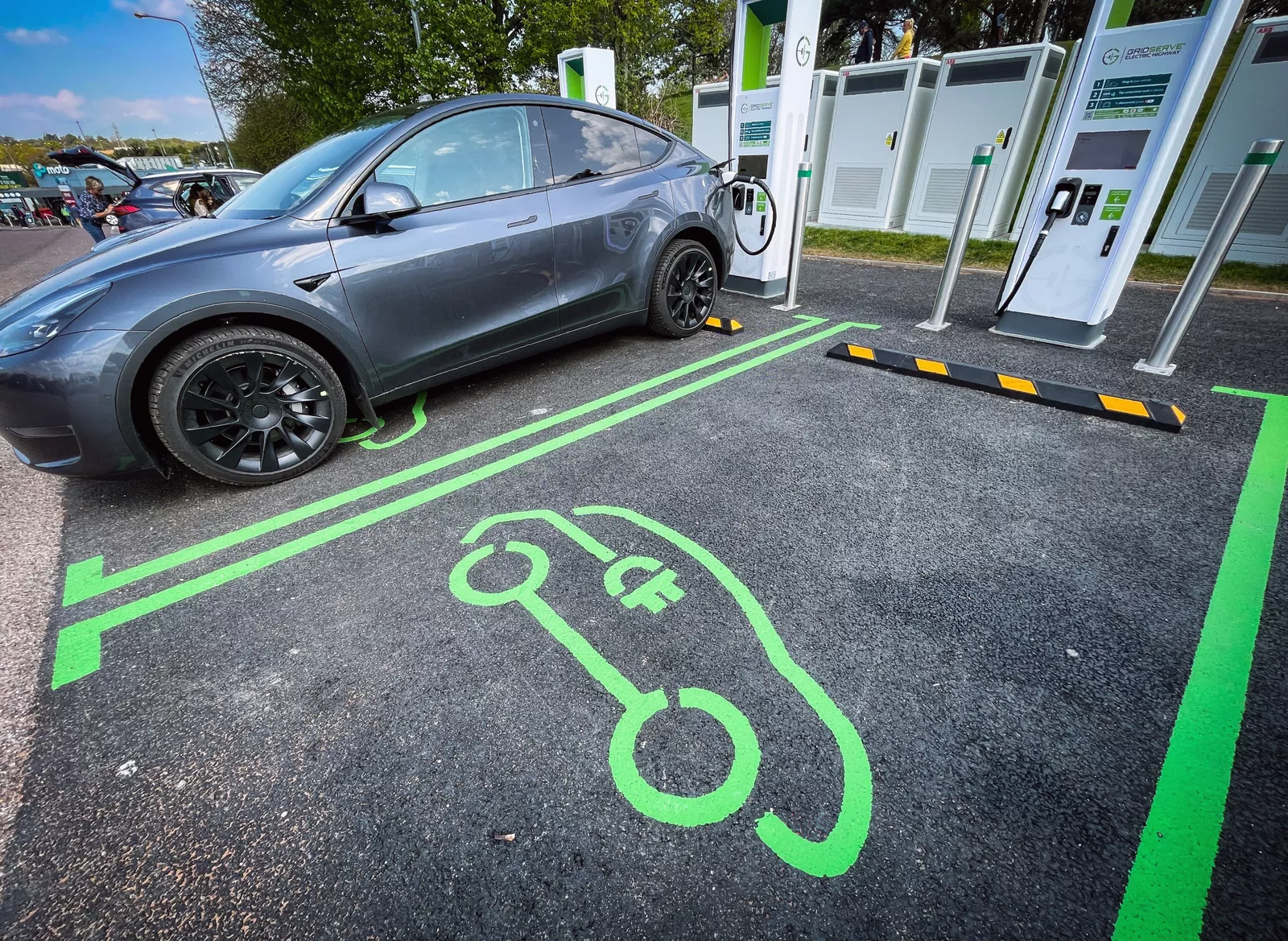
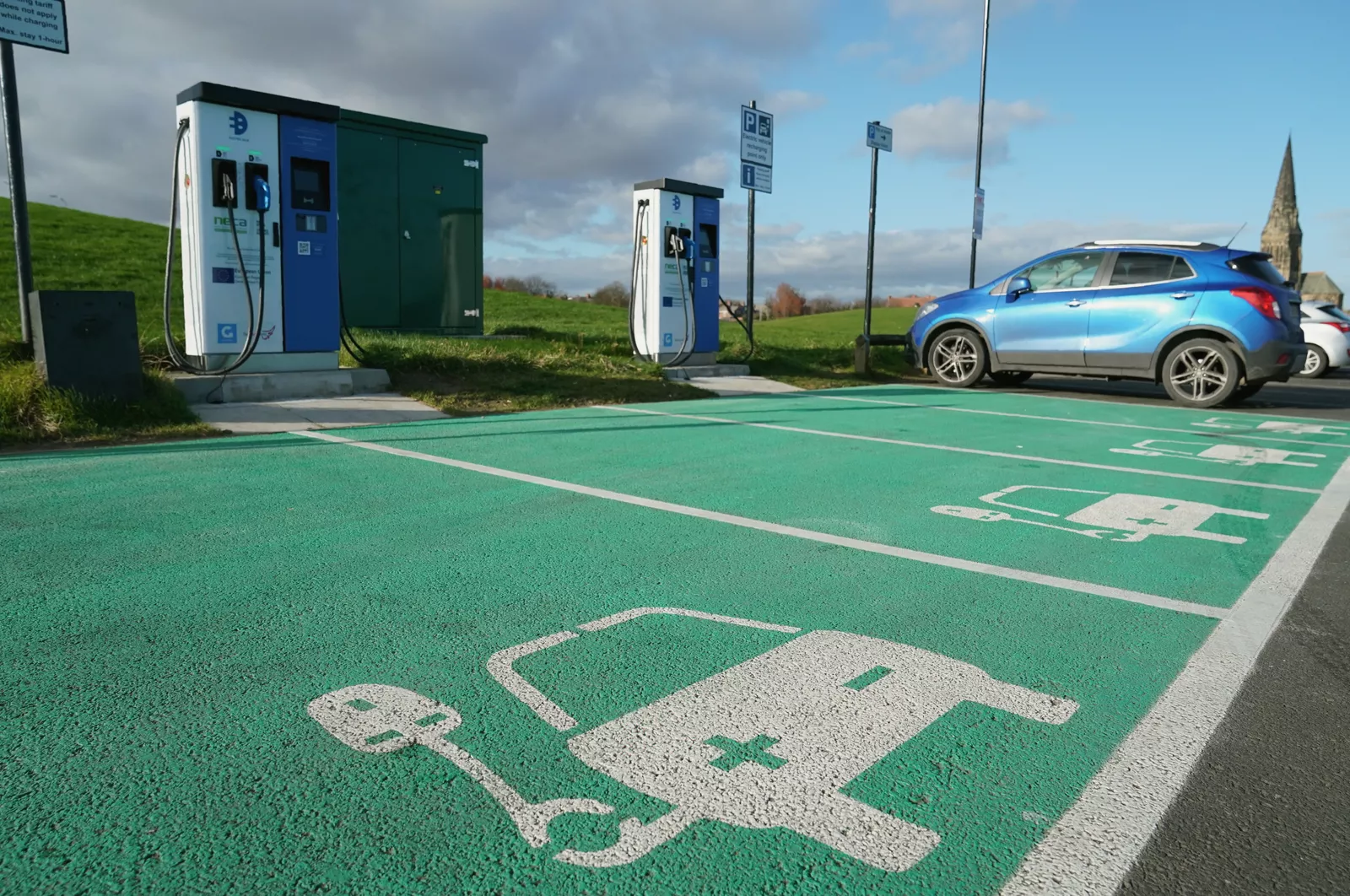
The charging infrastructure gap deepens the problem. Only 15 per cent of public chargepoints in England are in rural areas, leaving roughly one charger every ten miles, compared with London’s one every 0.75 miles. Drivers in the countryside are also more likely to lack off-street parking, making home charging difficult. The BVRLA and New AutoMotive describe this as a “double blow”: rural motorists face the steepest tax bills while being the least well served by public transport and charging networks.
Ginny Buckley, chief executive of Electrifying.com, warned of an “EV postcode penalty”. “If you live in a rural area, driving isn’t a lifestyle choice, it’s a necessity, so there’s a real danger this creates an EV postcode penalty where the people with the fewest transport alternatives end up paying the most,” she said.
Fairness debate intensifies
The government plans to introduce eVED from April 2028, charging 3 pence per mile for fully electric cars and 1.5 pence per mile for plug-in hybrids. According to Budget documents, the average driver will pay around £240 a year – or £20 a month – but the new data shows that many will pay far more. For an EV driver covering 10,000 miles a year, the additional tax could be £300 annually; for a plug-in hybrid covering the same distance, £150.
The Treasury expects eVED to raise approximately £1.1 billion a year, which it says will help “double road maintenance funding in England over the course of this Parliament”. The charge is designed to be roughly half the rate of fuel duty paid by petrol and diesel drivers – currently 52.95 pence per litre, according to the Office for Budget Responsibility. Fuel duty on standard petrol and diesel has been frozen since 2011–12, with a temporary 5p cut that is due to be gradually withdrawn from September 2026 and then uprated with inflation from April 2027.
Importantly, eVED will be levied on top of existing Vehicle Excise Duty (VED). Since April 2025, electric vehicles have lost their VED exemption and now pay standard rates: for cars registered on or after 1 April 2017, the annual rate is £200 from April 2026; newer EVs registered after 1 April 2026 pay £10 in the first year and £200 thereafter. New EVs with a list price of £50,000 or more incur an “expensive car supplement” of an extra £440 each year for the first five years after registration.
Critics argue the pay-per-mile system is structurally unfair. Tanya Sinclair, chief executive of Electric Vehicles UK, said: “The geography of this data is damning. Rural drivers, fewer chargers, longer journeys, highest bills. That is the opposite of a fair transition.” She also pointed to what she called incoherent policy signals from the government: “This week the Government quietly confirmed it won’t raise fuel duty either. So petrol gets cheaper in real terms while EV drivers are punished. If there is a coherent strategy here, it is not visible from the outside.”
Some experts have proposed giving rural drivers a certain number of “free miles” to avoid penalising them. Mr Poston said the current plans were “not a fair system” and called for the scheme to be scrapped. A poll of 13,000 non-EV drivers conducted by Electrifying.com found that 55 per cent said the idea of pay-per-mile road charging would make them less likely to switch from petrol or diesel. John Wilmot, chief executive of LeaseLoco.com, warned the charge could eliminate the cost advantage of EVs and deter potential buyers, sending mixed messages about government policy.
The introduction of the tax also comes amid a sustained cost of living crisis. Ms Buckley described it as “yet another tax on everyday life” for households already under financial pressure. Separately, Chancellor Rachel Reeves has increased the tax-free mileage allowance for workers driving under 10,000 miles a year from 45p to 55p per mile, backdated to April 2026 – a move that benefits business drivers but does not offset the eVED burden for rural commuters. Research also indicates that over half of UK van drivers are struggling with rising operating costs and tax changes.
The government has introduced some initiatives to address charging gaps, including the £7 million Rural Connectivity Fund and the Local Electric Vehicle Infrastructure (LEVI) Scheme worth £2.2 million, alongside Scotland’s Rural and Island Infrastructure Fund for publicly accessible chargepoints. But campaigners argue these measures have not kept pace with the looming tax burden. “If you live in a rural area, driving isn’t a lifestyle choice, it’s a necessity,” Ms Buckley repeated, “so there’s a real danger this creates an EV postcode penalty where the people with the fewest transport alternatives end up paying the most.”