Starmer insists cost of living effort continues despite April’s £117 energy bill reduction

Millions of households across Great Britain are set for a reduction in their energy bills from April, after the regulator Ofgem announced a 7% cut to its price cap. The typical annual bill for a household using both gas and electricity will fall by £117 to £1,641, amounting to savings of around £10 a month and representing a drop of more than £200 compared to a year ago.
Tim Jarvis, Ofgem’s director general for markets, said the reduction was driven primarily by changes to government policy costs announced by the chancellor in the recent budget. “We’re also seeing encouraging signs of greater engagement and competition, with switching increasing by almost 20% year on year,” he added, noting a rise in households choosing time-of-use tariffs.
However, experts caution that the cap, which applies to standard variable tariffs, is not necessarily the best deal available. Martin Lewis of MoneySavingExpert.com detailed that the biggest savings from 1 April are on electricity unit rates, which fall by 10.9%, while gas standing charges drop by 17.1%. He explained that most existing fixed deals will also fall due to the removal of policy costs, and that the cheapest fixes are currently around 14% below the current cap. Kara Gammell at MoneySuperMarket warned customers not to fall for the “price cap trap,” highlighting that several fixed tariffs already beat the new cap rate and that some energy bosses predict UK electricity costs could be higher by 2030 than during the 2022 crisis.
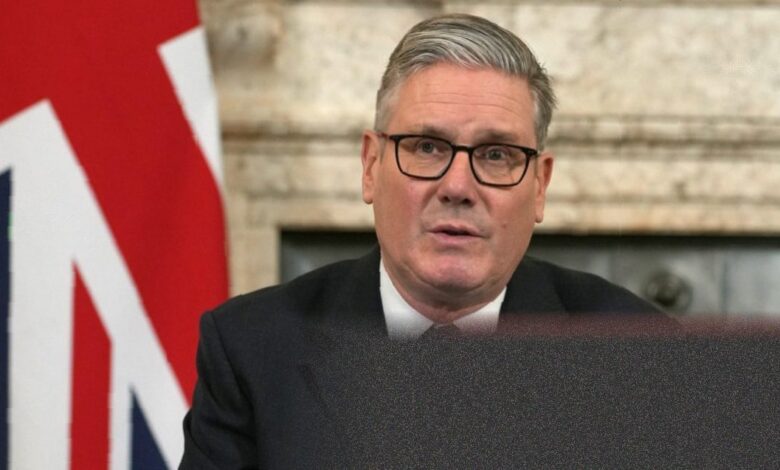
Prime Minister Keir Starmer welcomed the news, stating his government was “pulling every lever” to bear down on the cost of living, while Chancellor Rachel Reeves said cutting bills was her top priority after shifting green levies into general taxation. Greenpeace UK campaigner Angharad Hopkinson argued that the relief could be undermined by volatile global gas prices, urging the government to decouple electricity prices from gas.
Corporate Moves and Market Reactions
In other business news, the departure of Trainline chief executive Jody Ford after more than six years sent the ticketing platform’s shares down by nearly 7%. Under Ford’s leadership, the company doubled net ticket sales and expanded in France, Spain, and Italy. Chair Brian McBride praised Ford’s period of “exceptional growth,” but investment director Russ Mould at AJ Bell said the unscheduled exit had “derailed shares,” leaving investors troubled by uncertainty amid competition fears and the prospect of a UK government-run ticketing platform.
Luxury carmaker Aston Martin Lagonda is to cut up to 500 jobs, reducing its workforce by a fifth in a move aimed at saving about £40m. The company, majority-owned by Canadian billionaire Lawrence Stroll, said it was a “difficult decision” following organisational adjustments made earlier in 2025.
On the FTSE 100, Diageo was the biggest faller, with shares down more than 5% after the spirits giant slashed its dividend and cut its annual sales and profit forecast for the second time in four months. New chief executive Dave Lewis, citing weak demand in the US and China, halved the dividend to 20 cents a share and described his first weeks as “pretty intense.”
In contrast, HSBC shares gained after chief executive Georges Elhedery signalled that his overhaul of Europe’s largest lender was drawing to a close. Despite a 7% slip in pre-tax profit to $29.9bn, buffeted by $4.9bn in one-off charges, the bank raised its target for return on tangible equity to “17% or better” through 2028.
Consumer healthcare company Haleon forecast 2026 organic revenue growth of 3% to 5%, below its medium-term forecast, blaming weak consumer confidence in the US and a mild cold and flu season. Chief executive Brian McNamara said the environment remained “challenging near-term,” as the company targets cost savings of up to £200m over two years.
International Economic Picture
Germany’s economy grew by 0.3% in the final quarter of 2025, as higher household and government spending outweighed weaker exports amid global trade uncertainty, according to final data from the Federal Statistical Office. The office’s president, Ruth Brand, confirmed the economy expanded by 0.2% for the full year 2025, after a contraction in 2024, with net trade acting as a drag on growth.
Global trade tensions contributed to a 1% rise in gold prices, with spot gold reaching $5,198 an ounce as investors sought safe-haven assets. The move came amid uncertainty over new US tariffs, which took effect at 10% with Washington working to raise them to 15%, according to a White House official. President Donald Trump, who gave the longest-ever State of the Union address on Tuesday night, briefly set out his case for a possible attack on Iran, vowing not to allow the country to obtain a nuclear weapon. Reuters reported that Iran is edging closer to a deal with China to buy anti-ship cruise missiles, with a third round of nuclear talks between Tehran and Washington set for Thursday.
Pharmaceutical Expansion
In a major deal, GSK has agreed to buy Canadian biotech firm 35Pharma for $950m to strengthen its respiratory drugs portfolio. The acquisition, the British drugmaker’s second under new chief executive Luke Miels, centres on a medicine for pulmonary hypertension, a disease affecting about 82 million people worldwide. GSK’s chief scientific officer, Tony Wood, said the drug, HS235, could be a “best-in-class medicine” with potential benefits over existing treatments, and the company believes it could become a multi-blockbuster available by the early 2030s. Ilia Tikhomirov, CEO of 35Pharma, said combining with GSK would advance efforts against the life-threatening disease. This follows GSK’s $2.2bn purchase of RAPT Therapeutics in January and a $1bn deal for rights to therapies targeting kidney diseases.