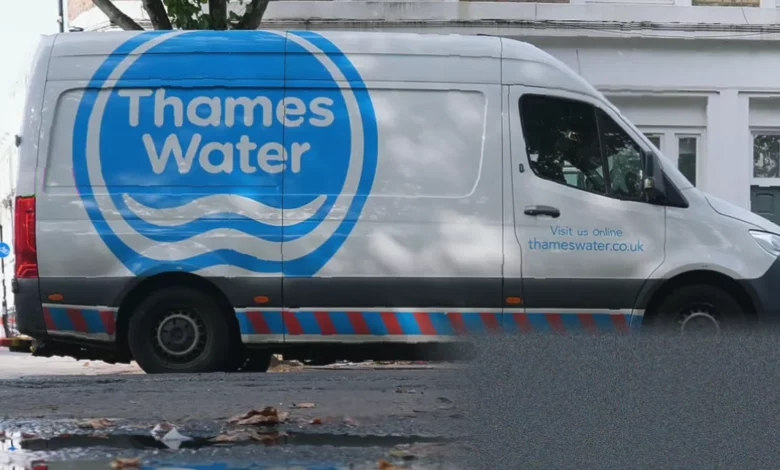
Thames Water could be spared new financial penalties from its regulator for the next four years under a controversial deal being thrashed out with its creditors, a move that would shield the crisis-hit company from Ofwat fines until 2030.
The creditor offer and the ‘undertakings’ mechanism
The proposed arrangement, first put to the water watchdog in June 2025, centres on Ofwat accepting formal “undertakings” from the utility. This mechanism would see Thames Water commit to fixing the root causes of its failures—such as pollution or leakage—instead of paying monetary fines for breaches of its licence conditions. While Ofwat could continue investigations, any resultant financial penalty would be directed into remediation work.
The offer has been advanced by the company’s consortium of senior creditors, who provided £3 billion in emergency funding last year and are desperate to avoid the temporary renationalisation of the firm. These creditors, who charged a high interest rate of 9.75% on the emergency loans, are now individually renegotiating the strict pollution, leakage, and performance targets imposed on Thames a year ago. Critics argue that replacing fines with undertakings risks creating a “regulatory holiday” by swapping financial accountability for what one creditor proposal called “minimum expectations.”
In a statement to the Financial Times, the creditors said: “All outstanding fines will be paid. Regulators will have enhanced transparency, and Thames Water will have clear accountability for reducing pollution and improving environmental outcomes against stretching performance targets.” However, any final deal would be subject to a mandatory three-month public consultation, a process likely to be highly contentious.
A company on the brink
The push for a deal comes amid a prolonged fight for survival. Thames Water has been teetering on the edge of financial collapse for over two years, burdened by a debt pile estimated between £17.6 billion and £20 billion. Its situation was deemed so precarious that in November 2024, Ofwat categorised it as ‘action required’ in its financial resilience report.
The company’s instability was underscored last June when its preferred bidder, the US private equity firm KKR, abruptly pulled out of a rescue deal. Since then, Thames has repeatedly run out of operating cash, with reports indicating it faced another funding cliff edge in October 2026. The restructuring process has been complex and extended, with a second High Court process now expected in the latter half of 2026.
Thames Water told the FT it “remains focused on securing a market-led solution which delivers improvements for customers and the environment as soon as practicable.” It has pointed to a record £1.26 billion capital investment in the first half of 2025-26—part of what it calls its “biggest upgrade in 150 years”—focused on leaks, pollution, and water quality.
Environmental failures and customer cost
This proposed respite from Ofwat fines would not protect Thames from other penalties. The company could still face fines from the Environment Agency and civil legal actions. The need for improvement is stark: pollution incidents rose by 34% in 2024 compared to 2023, and a quarter of its waste sites inspected by the Environment Agency in the past year were found in breach of their permits. Leakage remains a persistent problem, with the company expecting to lose between 512 and 530 million litres per day in the coming financial year.
The potential deal arrives as customers bear the direct cost of the company’s turnaround. Ofwat has allowed Thames Water to increase bills by more than a third—over 33%—by 2030, a figure that rises to between 35% and 37% in some estimates, before inflation is accounted for. This is despite the company initially requesting a 59% hike. The investment programme, funded by these higher bills, forms part of a total expenditure allowance of £20.5 billion set by Ofwat for the 2025-30 period.
Public opposition is significant. Polling indicates 54% of Thames Water customers oppose the creditors’ deal and favour the company being placed into special administration, with 79% finding the recent bill increases unreasonable. Campaigners have warned that the proposals could permit continued pollution, with one creditor suggestion reportedly seeking permission to exceed legal pollution limits until 2040. The final decision now rests on fraught negotiations and a looming public consultation, with the threat of temporary nationalisation still hanging over the company if a market-led rescue ultimately fails.