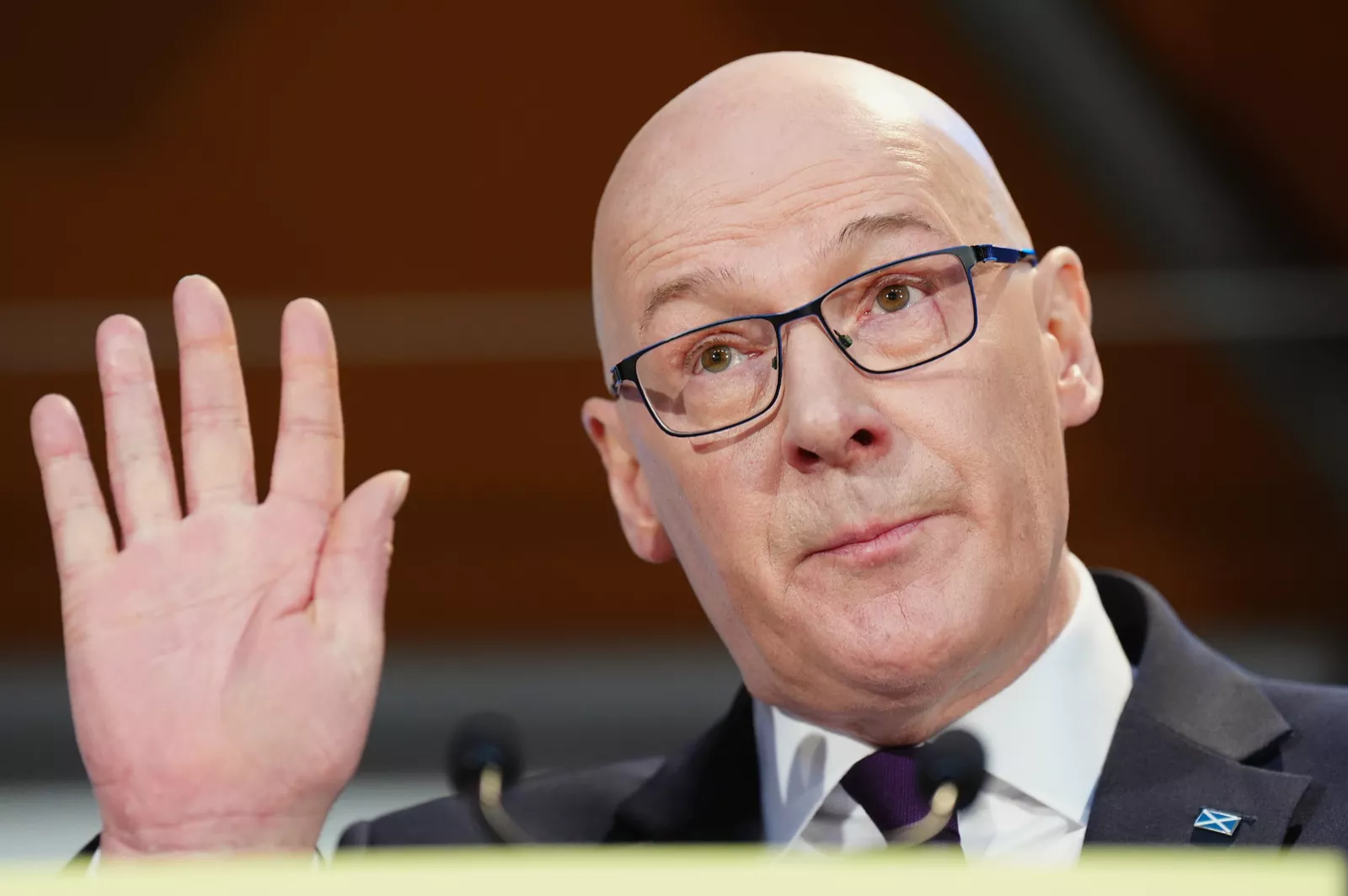
Scotland’s First Minister has issued a direct and urgent challenge to the Prime Minister, demanding the immediate recall of the House of Commons to address what he calls an “unprecedented energy crisis” crippling households and businesses across the UK.
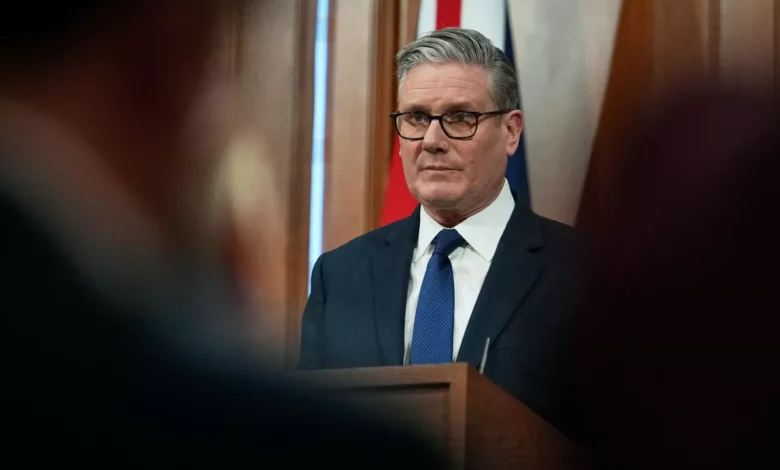
John Swinney accused Sir Keir Starmer of “sleepwalking” into the crisis, warning that ordinary people will pay the price for government inaction. The SNP leader’s intervention comes as global energy markets reel from a conflict in the Middle East that has severely disrupted one of the world’s most vital oil transit routes.
The Source of the Crisis
The immediate trigger is the war in Iran, which began on 28 February 2026 following joint military strikes by the United States and Israel. This has led to a near-total halt to shipping through the Strait of Hormuz, a chokepoint through which approximately one-fifth of the world’s oil supply normally flows. Iran’s Islamic Revolutionary Guard Corps has issued warnings prohibiting passage, creating what analysts have described as the largest supply disruption in the history of the global oil market.
The impact has been immediate and severe. Brent crude oil prices surged past $100 a barrel, peaking at $126. The crisis has been compounded by attacks on energy infrastructure, including a strike that destroyed 17% of Qatar’s liquefied natural gas export capacity for up to five years. While alternative pipelines exist, they cannot compensate for the scale of the disruption at the Strait.
The Toll on Households and Businesses
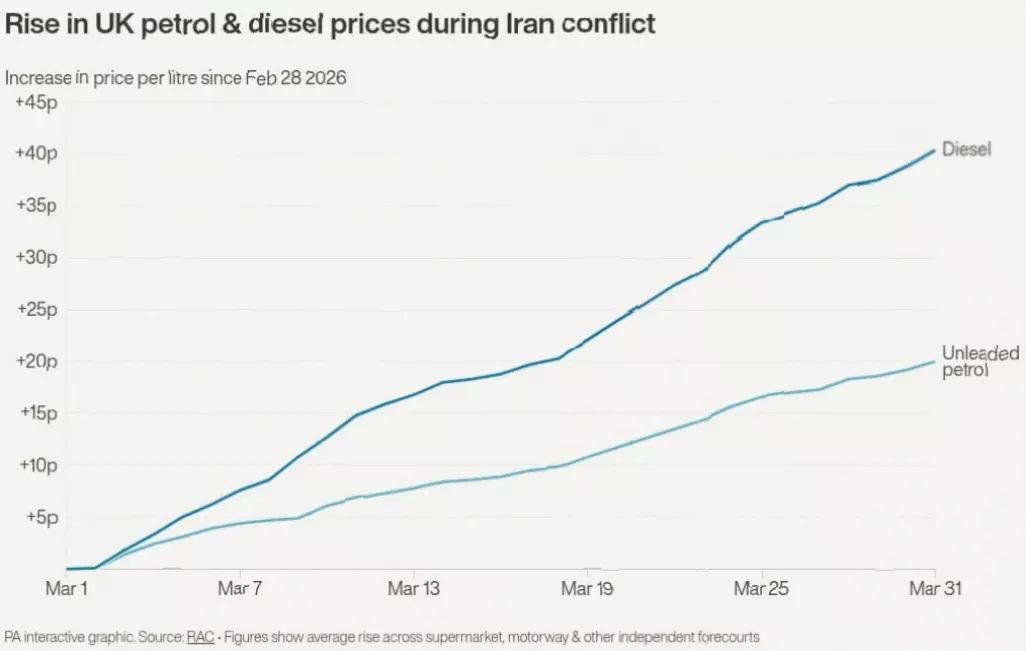
For UK consumers, the abstract global shock is translating into concrete financial pain. The cost of filling a standard 55-litre diesel car has risen above £100 for the first time since December 2022. Households are also facing a looming cliff edge in their energy bills, despite a short-term reprieve.
The energy regulator Ofgem’s price cap fell by 7% to £1,641 for a typical annual dual-fuel bill as of 1 April, partly due to the government moving some green levies into general taxation. However, experts warn this relief will be short-lived. Consultancy Cornwall Insight forecasts the cap will rise to £1,929 from July—an increase of £288, or 18%—due to the rocketing wholesale prices seen in March. Industry sources have even warned the UK could be weeks away from considering rationing jet fuel and possibly diesel if disruptions continue.
Mr Swinney framed this as a failure of UK leadership. “Our European neighbours like Ireland and Spain have already taken action to protect their people from the crisis and have stepped up with billions of pounds in support. Yet the Prime Minister stands by like a rabbit in the headlights doing nothing,” he said. He urged that if the UK Government would not act, it should “hand over the powers to a government that will.”
The UK Government’s Stated Response
In response to the criticism, a UK Government spokesperson defended the Prime Minister’s actions, stating Sir Keir had “responded decisively” with a clear plan. The spokesperson outlined specific measures: cutting the energy price cap by £117, extending the existing fuel duty cut until at least September, and providing support for families facing rising heating oil costs.
According to the research briefing, the Prime Minister has also announced an emergency five-point plan, which includes a £100 bill cut for households. Crucially, Sir Keir has ruled out a repeat of the blanket bailout used during the Ukraine crisis. His government is instead looking to build closer energy and security ties with Europe to achieve greater independence and is considering granting the Competition and Markets Authority new powers to clamp down on potential “price gouging or profiteering.”
The government spokesperson also argued that Parliament being in recess, a long-standing convention for Easter, does not prevent ministerial action or engagement with industry and devolved administrations.
Political Counter-Fire
The call for a recall ignited a sharp political debate, with opponents accusing Mr Swinney of hypocrisy. Scottish Conservative energy spokesman Douglas Lumsden said the First Minister had “brass neck” to pose as a champion of households while presiding over the highest tax bills in the UK. “Rising global oil prices underline the need for us to maximise domestic extraction, yet the SNP are as recklessly hostile to new North Sea oil and gas projects as Labour,” he stated, advocating for a mix of oil, gas, nuclear, and renewables.
Scottish Labour MP Gregor Poynton accused the SNP of trying to distract from its own record, citing failures in home upgrades, income tax hikes, and a housing emergency. Meanwhile, Susan Murray, the Liberal Democrat Scottish affairs spokesperson, agreed the energy crisis needed addressing but criticised the SNP for previously declining to recall the Scottish Parliament to deal with the collapse of Scotland’s ferry services.
The crisis also sits at the heart of a strategic divide. While the UK Government holds the power over North Sea licences, the Scottish Government’s Energy Strategy has shifted towards a presumption against new oil and gas projects, focusing on a “just transition” to renewables. Prime Minister Starmer is doubling down on clean energy, viewing it as a route to security—a stance that aligns with Scotland’s long-term targets but contrasts with immediate calls to boost fossil fuel extraction.
The Diplomatic Front
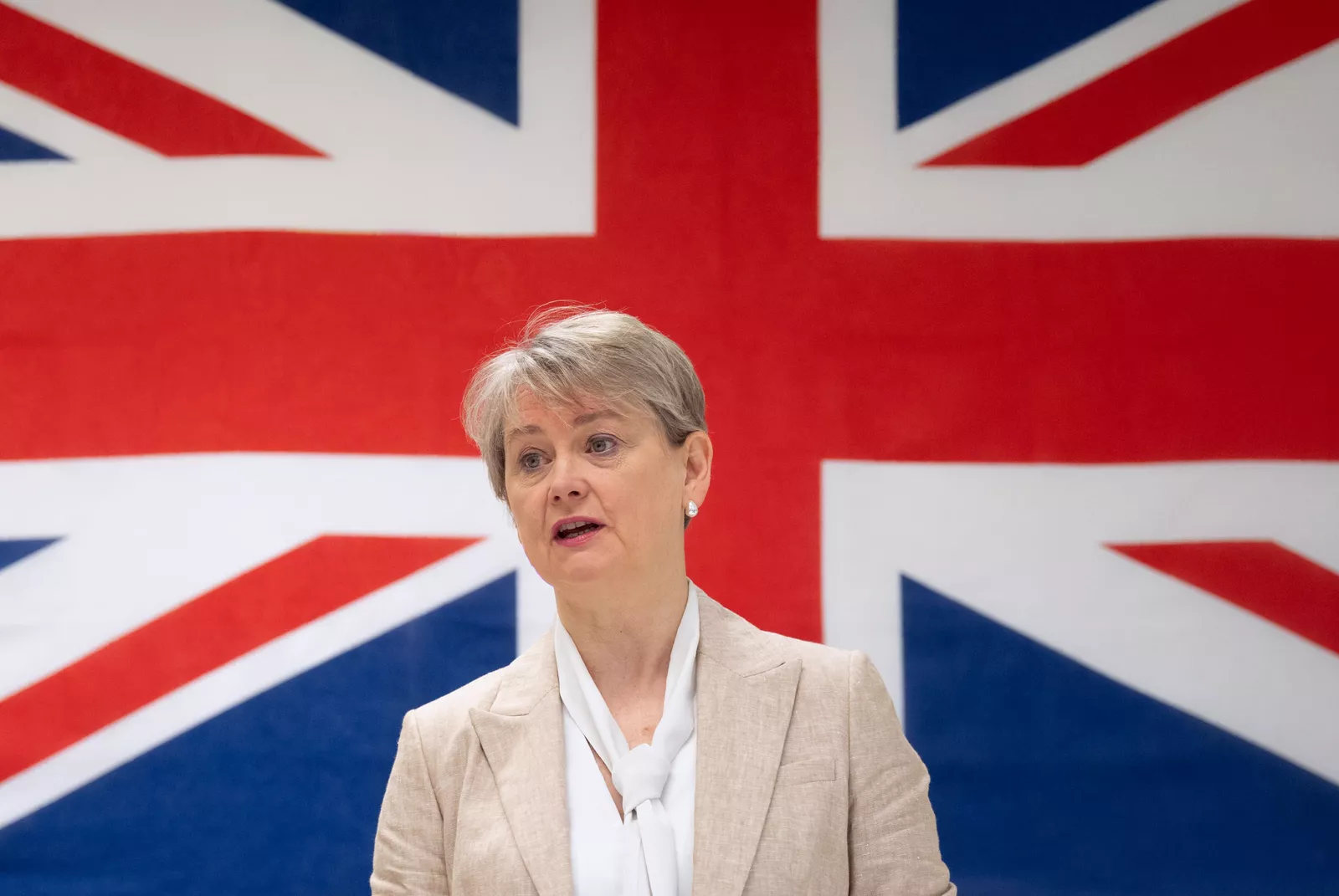
Beyond domestic politics, intense diplomatic efforts are underway to resolve the situation at the source. Foreign Secretary Yvette Cooper is set to host talks with a coalition of 35 countries to assess all viable diplomatic and political measures to reopen the Strait of Hormuz. Military planners are involved in discussions on how to make the strait accessible and safe once fighting stops.
The war has also stirred international tensions. US President Donald Trump has criticised allies, including the UK, for not participating militarily and has made contradictory statements about the conflict, even suggesting that King Charles III would have supported his actions over those of Prime Minister Starmer.
As households brace for higher bills and motorists face soaring costs at the pumps, the pressure on the government to deliver tangible support continues to mount, with political rivals seizing on the crisis to articulate starkly different visions for the UK’s energy future and economic security.