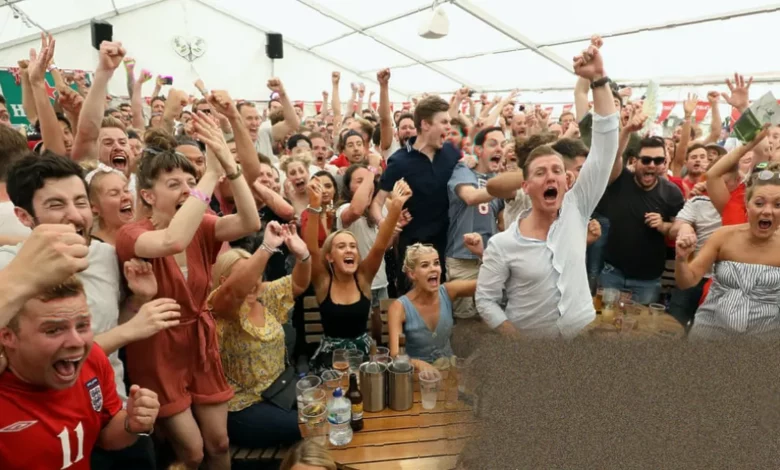
Pubs across the UK could stay open until 2am for certain World Cup 2026 matches, under government plans designed to allow fans to watch late-night kick-offs caused by the time difference with tournament co-hosts the United States, Mexico and Canada. The relaxation of licensing rules means that, in theory, supporters could be celebrating a winning penalty at 1am with another hour of drinking still ahead.
The national extension applies to knockout stage matches involving England or Scotland. For games kicking off between 5pm and 9pm UK time, licensed premises can stay open until 1am, provided they already hold a licence until at least 11pm. For kick-offs between 9pm and 10pm, the permitted closing time moves to 2am. Matches starting before 5pm or after 10pm are not covered by the automatic extension. Individual venues can also apply for Temporary Event Notices to cover other fixtures.
The government hopes the measure will give a much-needed boost to a hospitality sector that has been under severe pressure. Industry research indicates strong consumer appetite: over a third of those planning to watch the tournament — an estimated 9.3 million people — intend to do so from a pub, bar or hospitality venue. The social experience and atmosphere are the main draws, cited by 50% and 46% of respondents respectively, while 38% want to buy drinks and 24% see it as the next best thing to being at the stadium.
The economic stakes are high. The British Beer & Pub Association estimates each World Cup game generates an additional £2.5m to £5m for the industry, with pubs potentially selling an extra 1,240 pints in the run-up to the final. If England reaches the final, the association calculates it could generate an extra £275m in sales. The Night Time Industries Association predicts over 50 million pints will be sold during the tournament, supporting thousands of jobs. The benefits are expected to extend beyond pubs to suppliers, transport operators and local businesses.
Alongside the licensing extensions, the government has introduced other support measures. Pavement licences are being extended, reducing the cost and frequency of applications for outdoor service. In January, a support package was announced including a 15% cut to business rates from April and a two-year real-terms freeze, intended to save the average pub an extra £1,650 in 2026/27 — though this relief applies only to pubs where customers can buy drinks without eating, not to hotels. The government will also legislate to increase the number of temporary events pubs can hold and consult on loosening planning rules. A new High Street Strategy aims to support retail, leisure and hospitality businesses.
Despite these efforts, the hospitality sector continues to face severe headwinds that cast doubt on whether a handful of late openings can provide a sustainable rescue. Pubs have been closing at a rate of two a day in the first quarter of 2026, with overall hospitality closures forecast to hit six a day this year. Rising operational costs — including energy, food, supply chain expenses, and increased minimum wage and National Insurance contributions — are squeezing profit margins.
The business rates revaluation in April 2026 is a particular concern. The Pubs Advisory Service estimates the average pub’s costs could rise by 37% despite overall rating levels potentially decreasing. Meanwhile, the “VAT’s the Problem” campaign is pushing for a reduction in hospitality VAT from 20% to 10%, arguing the UK rate is higher than many European counterparts. Prime Minister Keir Starmer has declined to endorse the campaign, offering only a temporary VAT cut on children’s meals as part of a “Summer Savings Programme”.
Licensing complexity adds another layer of challenge. Venues must still obtain necessary permissions and comply with local authority requirements under the Licensing Act 2003. Local councils are responsible for issuing and regulating licences. Research also points to potential downsides: a study in Aberdeen found an 11.4% rise in alcohol-related ambulance call-outs and an 8.5% increase in reported crimes following extended late-night opening hours, while Glasgow saw no comparable rise with more regulated extensions. Some studies indicate no meaningful economic benefits from extended trading hours, suggesting they may strain emergency services rather than revive the night-time economy.
Persistent labour shortages and difficulties in staff retention continue to hamper service delivery. On the insurance front, Zurich has offered temporary flexibility for licensed trade customers during the World Cup, waiving conditions that restrict operating past 1am more than three times a week, provided necessary licensing permissions are obtained.