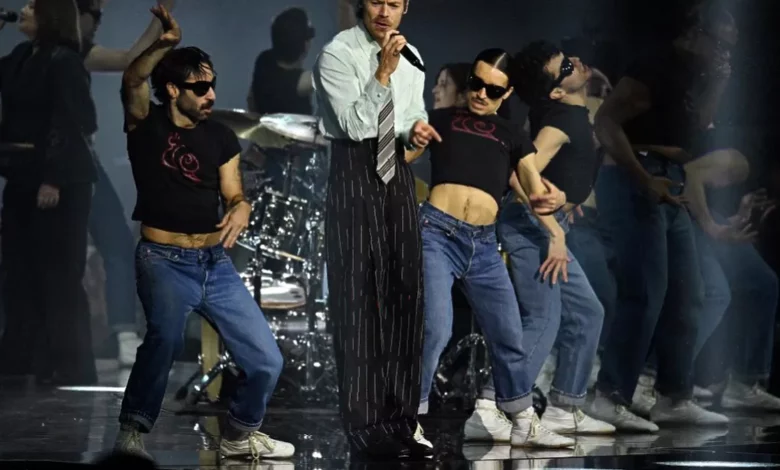
Nearly one in three ticket fraud victims only discover they have been scammed when they arrive at the venue and are turned away at the gates, according to research from Monzo. The finding comes as millions prepare for a packed summer of concerts and festivals across the UK, with Harry Styles alone set to draw more than one million fans to Wembley Stadium across a record-breaking 12‑night residency running from 12 June to 4 July 2026.
Discovery at the gates
The moment of realisation is often brutal. Monzo’s data shows that 30% of people who fell victim to ticket fraud did not know they had been duped until they presented their tickets at the entrance. With approximately 80,000 fans expected each night at Wembley – and Shania Twain appearing as the special guest for every London date – the scale of potential disappointment is immense. Genuine tickets are still available, according to SeatPick, which lists single seats from as little as £18, but many fans are being caught out before they ever reach the turnstiles.
The true cost of a scam
While the price of the ticket itself is often the focus, the financial damage extends far beyond it. Monzo found that among people who were scammed, 32% lost money on travel, transport, hotels or accommodation; 28% on food and restaurant bookings; 24% on clothes bought for the event; and 23% on childcare, pet care or time booked off work. A further 39% spent even more money trying to salvage their plans with alternative activities. When all these costs are combined, the average victim loses £1,295 – a sum that dwarfs the face value of most concert tickets.
Rich Bromley, Director of Fraud at Monzo, said: “What’s really tough is that people aren’t just losing the ticket money, they’re losing the money they spent on hotels, travel, childcare and ultimately, the experience of seeing their favourite artist.” The wider economic impact is also significant: Action Fraud reported that losses from ticket fraud rose by 47% to £9.8 million in 2024, with 9,826 reports filed – an 11% increase on the previous year. Another analysis puts total losses at £9.7 million, a near‑50% jump from 2023. Monzo says almost 700 of its customers every month reported being affected by ticket scams during 2025.
The costs are not limited to the immediate victims. Venues lose revenue from food, drink and merchandise when seats remain empty, and modelling suggests that increased fraud risk could lead to billions of pounds in lost ticket sales over a decade. July and June historically see the highest reporting of ticket fraud, with purchase scams also peaking in April and August – overlapping with the summer concert season.
How scammers are using AI
Fraudsters are becoming increasingly sophisticated, and artificial intelligence is a key weapon. Among those scammed through social media, 42% said they were convinced by sellers using AI‑powered tactics such as realistic profiles, generated images and voice notes. A separate survey found that 64% of UK adults believe AI is making ticket scams harder to spot. The technology can be used to create fake websites, generate convincing fake reviews and even produce deepfake images of artists or venue staff.
Young people are especially vulnerable. Monzo’s data shows that under‑21s are twice as likely to experience ticket fraud compared with the average adult. People in their twenties accounted for 27% of all victims in 2024, and 17% of Gen Z (aged 18‑27) report having been scammed or coerced. Barclays reports that 63% of Gen Z purchase scams reported in 2025 originated on social media. The pressure to act quickly is a common tactic: 28% of victims cited “limited‑time” pressure, while 23% said fear of missing out played a role. More than half of Brits (53%) admit they are not confident they could spot a fake ticket seller online. A Nationwide survey found that one in four Brits have fallen victim to ticket scams, losing an average of £82, and 51% said they would consider buying from questionable sources to avoid missing out.
Rich Bromley added: “Fraudsters are really good at playing on the fear of missing out. They know how much these events mean to fans, and they’re increasingly using tech like AI to exploit it.”
Warning signs every buyer should know
Monzo has issued a checklist to help fans stay safe this summer. First, be wary of social media messages – legitimate artists, venues and promoters rarely sell tickets through private messages. Second, only buy through trusted ticket exchanges, official promoters or authorised resale platforms. Third, avoid bank transfers: fraudsters often insist on them because payments are much harder to recover if something goes wrong. Fourth, question cheap deals: tickets offered well below market value could be a sign of fraud. Fifth, trust your instincts – if something feels suspicious, stop the transaction and carry out further checks.
Additional expert advice reinforces these points. Use secure payment methods such as credit cards, which offer protection under Section 75 of the Consumer Credit Act for purchases between £100 and £30,000. Debit card chargebacks are available but not guaranteed. Be cautious of requests to pay via PayPal Friends & Family, as this offers no buyer protection. Always verify a seller’s identity independently rather than relying on screenshots, and avoid sellers who communicate only through messaging and refuse phone or video calls. Look for vendors who are members of the Society of Ticket Agents and Retailers (STAR) for added assurance. Fake websites can be spotted by checking URLs for subtle changes and ensuring the site uses HTTPS – spelling mistakes and blurry images are also red flags. Scammers often use phrases such as “only two left” or “someone else is interested” to create urgency.
Gilad Zilberman, CEO of SeatPick, noted that genuine tickets are still available for Harry Styles’ Wembley shows, but many are single seats. “Personal experiences are becoming a priority, not group convenience,” he said. “The flexibility of going alone means you can act fast, or get a single resale ticket from someone who can’t attend. It can be the difference between going and not.” Solo concertgoers may find themselves in a stronger position to secure last‑minute tickets, as individual seats are more likely to become available than pairs or larger groups. Prices on SeatPick start from $57 for the opening night on 12 June, with an average ticket price of $856.
Starling Bank has launched an AI‑powered tool called “Scam Intelligence” that analyses images and messages for scam indicators, while the government’s “Stop! Think Fraud” campaign aims to raise public awareness. With average UK concert ticket prices having risen by 521% since 1996 to £105.60 in 2025 – and gig prices increasing 80.5% between 2021 and 2025 – the stakes have never been higher for fans desperate to see their favourite artists.