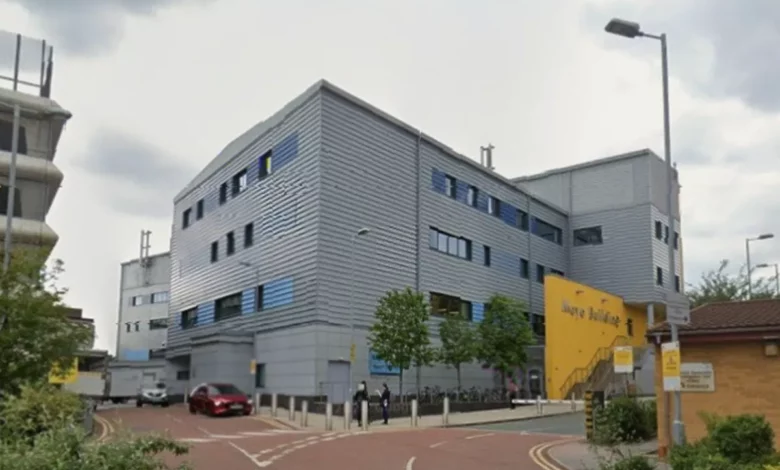
NHS England has taken formal enforcement action against the Northern Care Alliance NHS Foundation Trust (NCA) in Greater Manchester, warning that the trust faces financial penalties or the loss of its licence to provide care if it fails to address systemic patient safety failures. In a document seen by The Independent, the regulator stated it was “unable to provide assurance” that the trust has a clear and consistent structure “that will ensure no further patients may suffer harm”.
The enforcement action, confirmed in June 2026, follows a series of escalating quality concerns over the previous 18 months. NHS England said the trust had been “unable to respond at the expected pace” and that the “cumulation of quality concerns and the licensee’s response has resulted from a fundamental failure in quality governance”. The regulator has statutory powers to impose fines or, in the most severe cases, revoke a provider’s licence.
Gynaecology: delayed diagnoses and a backlog of 2,000 letters
A central area of concern is the trust’s gynaecology services at Salford Royal Hospital. An audit of hundreds of cases in 2024 found that dozens of women, including cancer patients, were harmed because their diagnosis and treatment were delayed due to administrative failures. Whistleblowers had previously raised the alarm, alleging that leaders had neglected to address safety risks and that patients were left waiting for care.
An unpublished NHS England review from December 2024 uncovered a “significant backlog” of more than 2,000 patient letters, including test results and referrals, that had not been sent to GPs. This administrative failure caused treatment delays of at least five months for some patients. Dr Jim Wolfe was the consultant under whose care many of these patients were. The trust has stated that affected patients have been followed up and managed but has declined to comment on the employment status of staff.
NHS England placed the trust under enhanced scrutiny in January 2025 because of concerns about its ability to tackle issues in both spinal and gynaecology services, including care backlogs. While scrutiny of gynaecology services was later “stepped down” after evidence of improvement, NHS England noted that “several clinical harms have been identified as part of all the incidents and patient reviews; all incidents demonstrated failures of governance”. In May 2026, the Care Quality Commission (CQC) launched a new inspection specifically targeting the trust’s gynaecology services.
Spinal surgery scandal: misplaced screws and chronic pain
The trust has also been grappling with the fallout from spinal surgeon John Bradley Williamson, who was sacked by the then Salford Royal Hospital NHS Foundation Trust in 2015. In 2023, an investigation found that Williamson had harmed dozens of patients, including 23 who had misplaced screws inserted in their spines, leaving them in chronic pain. A subsequent independent inquiry into the care of his patients criticised the trust’s past investigations, warning that they failed to address his behaviour. The NCA has been instructed to offer all of his former patients a review of their care.
Investigations into Williamson’s practice revealed substandard surgical technique, poor record-keeping, lack of informed consent, and unprofessional behaviour. A review of more than 130 patients he operated on between 2009 and 2014 found that seven people suffered severe harm and 13 moderate harm. The trust informed private healthcare provider Spire Healthcare of its spinal patient safety look-back review in February 2022, and Spire issued a patient recall in March 2023.
Surgical wards: staffing failures and patients left in pain
In October 2025, the CQC issued a formal warning notice to the NCA regarding surgical services at Salford Royal Hospital. Inspectors found that patients had been left lying in pain due to delays in receiving critical medication, inadequate staffing levels on surgical wards, and systems that failed to identify and manage risks to quality and safety. The CQC reported that urine bottles were left to accumulate in bathrooms because of staff shortages. Further inspections found that “some aspects of the service were not always safe”, with an increased risk of harm, incomplete risk assessments, and failure to respect patients’ consent rights.
Regulatory oversight and trust’s position
The NCA is currently placed in Segment 4 of the NHS National Oversight Framework, indicating it is under close review. It ranks 116 out of 134 similar trusts across 22 performance indicators. Despite receiving £2 million in June 2026 from the NHS England Urgent and Emergency Care Capital Incentive Scheme to improve A&E waiting times, the trust remains under intense scrutiny.
In an email to staff seen by The Independent, the trust acknowledged the severity of the situation: “We need to get better at spotting problems early and acting quickly, learning when things go wrong and making sure issues do not happen again. We understand how serious these issues are and the impact they have had on patients and families.”
Dr Owen Williams, who in April 2026 announced he would step down as chief executive in September, said in a statement: “Over the past 18 months, we have worked with NHS England to improve services, respond to Care Quality Commission concerns and strengthen governance across the organisation. While the concerns include spinal, gynaecology and other surgical care, the undertakings are about wider organisational improvement. Real improvement has already been made, and we are committed to building on it. We have introduced a new organisation structure to move decision-making closer to patients and made progress in some areas, including gynaecology, but more needs to be done to make improvement consistent and lasting.”
The NCA said it accepted the formal enforcement from NHS England, which will provide more structured oversight. The enforcement letter warns that if the trust fails to comply with its requirements, including regular reporting on progress, it will face further action – including fines or, in the most severe cases, stripping the trust of its licence to provide care.