Patient safety and dignity are being compromised by severe overcrowding in NHS emergency departments, a watchdog has warned, as new figures reveal a record number of people are facing extremely long waits.
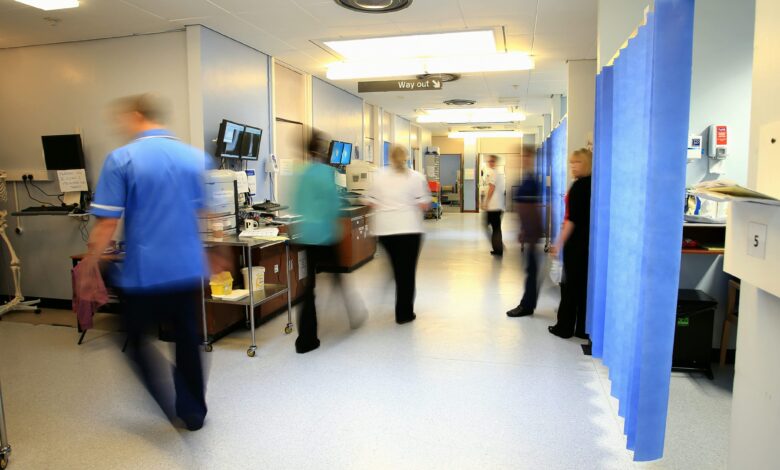
A review of patient care in emergency departments during December, conducted by Healthwatch England, uncovered distressing conditions. It reported that one elderly patient from Havering waited 40 hours on a trolley in a corridor, witnessing the death of the person next to them. The patient described having “no dignity” and finding the situation “very scary”.
The review also found diabetic patients were left for hours without food, while others were on broken beds in dark corridors for 24 hours with no privacy. Many patients told the watchdog that corridor treatment made them feel stripped of their dignity, particularly those struggling with toileting needs.
Record-breaking waits in A&E
These accounts coincide with the worst monthly performance on record for 12-hour A&E waits. Official NHS England data shows the number of patients waiting more than 12 hours to be admitted soared from 50,775 in December to 71,517 in January—a 40 per cent jump and the highest figure since monthly records began in August 2010.
The situation for shorter, but still significant, waits also deteriorated. In January, 161,141 people waited at least four hours for admission, up from 137,763 in December, making it the second-highest figure on record. This means one in four people faced such a delay in December, far exceeding the NHS target for a maximum of 22 per cent.
Overall, the proportion of patients in England seen within four hours in A&E fell to 72.5 per cent last month, down from 73.8 per cent in December. The government and NHS England have set a target for March 2026 of 78 per cent of patients being admitted, discharged or transferred within four hours.
Service under “record demand”
The figures come during one of the NHS’s busiest winters on record. A&E staff dealt with a record 2,320,266 attendances in January, which was 4.6 per cent higher than January 2025, as noted by The Independent. Ambulance services also faced a record number of incidents across December and January.
In response to the pressures, NHS England’s chief nursing officer, Duncan Burton, offered assurances. He stated that “thanks to early preparations and careful planning, ambulance waits are shorter and A&E treatment times are faster this winter – even as staff face record demand.”
Supporting this claim, NHS data indicates 206,800 more people were admitted, transferred or discharged in under four hours in A&E departments this winter compared to the same period last year.