Blood test capable of identifying thousands of genetic conditions during pregnancy, scientists report

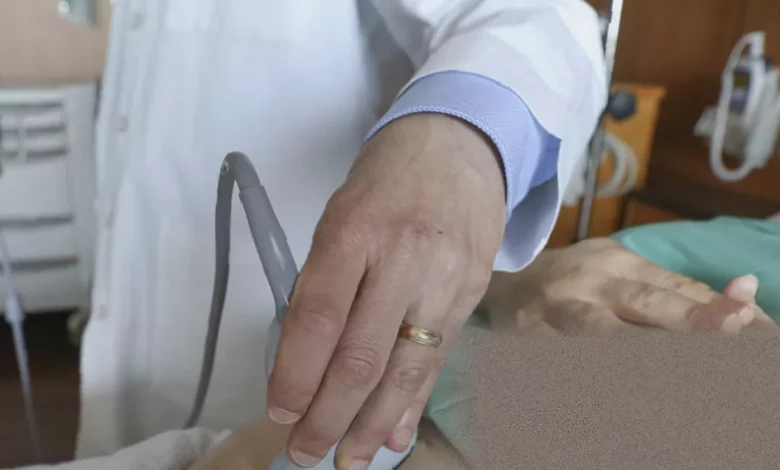
A new blood test capable of detecting thousands of serious genetic conditions in the developing foetus could transform prenatal screening, offering a safer alternative to invasive procedures such as amniocentesis, scientists have announced.
The technique, known as non-invasive foetal sequencing (NIFS), analyses tiny fragments of foetal DNA that circulate naturally in the mother’s bloodstream during pregnancy. Using advanced sequencing methods, researchers were able to identify genetic variants across nearly 23,000 genes in each foetus, picking up 95-99% of the variants found by invasive methods and more than 97% of clinically relevant variants. The test was described at the European Society for Human Genetics conference in Gothenburg on Saturday.
How the test works
Unlike existing non-invasive prenatal testing (NIPT), which is limited to a small number of conditions such as Down’s syndrome, NIFS can detect the majority of conditions included on major newborn screening and foetal anomaly panels – including the over 2,500-gene Genomics England foetal anomalies panel. The research team, led by Dr Christopher Whelan, a senior computational scientist at the Broad Institute of MIT and Harvard, validated the method on 565 pregnancies at an average of 17 weeks of gestation.
The breakthrough relies on the presence of cell-free foetal DNA (cfDNA) in maternal blood. During pregnancy, a small proportion of the DNA fragments circulating in a woman’s bloodstream come from the placenta and, ultimately, from the foetus itself. NIFS uses highly sensitive sequencing to read these fragments, then applies advanced computing methods – including single nucleotide polymorphism (SNP) analysis and fragmentomics – to distinguish foetal DNA from the mother’s own genetic material. This allows the test to survey the entire foetal genome for single-base changes, small insertions and deletions, and other genetic variants.
The method can provide reliable genomic information as early as ten weeks of gestation, potentially earlier than many imaging-based anomaly detection methods. It has also demonstrated the ability to detect abnormal genetic tissue in twin pregnancies and to identify maternal confounders that previously complicated NIPT interpretations.
In validation studies, NIFS showed a sensitivity of 95.7% and a precision of 94%, according to preliminary data. Among the conditions successfully detected in the study were Noonan syndrome, Charge syndrome, Stickler syndrome, achondroplasia, cystic fibrosis, and dozens of other rare genetic disorders.
Implications and expert reaction
Dr Whelan said the test could serve as a frontline tool for pregnancies where an anomaly has already been spotted on an ultrasound or other screening test. “Currently, many women refuse the invasive sequencing methods – amniocentesis and chorionic villus sampling (CVS) – because of the risk to the foetus, related stress, difficulties of access, and cost, even though its diagnostic capacity is high,” he said.
Amniocentesis, which involves inserting a thin needle into the womb to collect amniotic fluid, is typically performed between weeks 15 and 20 of pregnancy. While highly accurate, it carries a risk of miscarriage of around one in every 200 pregnancies. CVS, an alternative invasive test, has a miscarriage risk of approximately 0.5% to 1.0%. Other rare complications include infection, bleeding, and injury to the foetus. NIFS offers a way to obtain similarly comprehensive genetic information without those risks.
Professor Alexandre Reymond of the University of Lausanne, who chaired the conference and was not involved in the research, called the achievement “a tour de force”. He added: “Sequencing the entire genome of a foetus without even getting a sample from that foetus immediately opens up treatment and prevention opportunities and means that reproductive medicine will be changed for ever.”
But the broad scope of the test has also prompted caution from other experts. Professor Angus Clarke, a clinical geneticist at Cardiff University, described the work as “a very impressive technical feat” that would be especially helpful in cases where a genetic condition is suspected and where treatment of the foetus could be started prenatally. However, he warned that using NIFS for exploratory screening – searching for potential problems without a specific clinical indication – could turn up genes of unknown significance.
“You’re putting parents in a really difficult position,” Clarke said. “When you don’t have a problem that you’re looking for an answer to, just coming out with potential answers can cause more problems.” He raised concerns that such findings could create huge anxiety for parents and potentially place babies on an unnecessary path of surveillance and medicalisation.
The ability to detect thousands of conditions also raises complex questions about informed consent, genetic counselling, and equitable access. Researchers have noted that NIFS is expected to be more cost-effective than invasive genome sequencing because it uses existing infrastructure. The Broad Institute and its collaborators – including Massachusetts General Hospital and Brigham and Women’s Hospital – are now working to refine the method to identify additional classes of clinically relevant variants beyond standard exome sequencing, and to validate the technology across diverse pregnancy cohorts. They envision the test eventually becoming a new standard of care in prenatal screening, potentially supplanting some newborn screening procedures and allowing earlier preparation for postnatal management.