British schools are increasingly adopting lockdown procedures that mirror those long used in the United States, as staff contend with a sharp rise in youth violence, adult intruders and hoax threats. The measures, which require pupils to hide in designated areas when an alarm is triggered, have become a near-daily reality in some parts of the country, with research suggesting more than 100,000 children were affected by lockdowns in the first nine months of last year alone.
Rise of the ‘invacuation’ drill
The Government does not officially record school lockdowns, but an analysis by Schools Week identified 117 incidents between January and September last year, affecting an estimated 100,000 pupils. Of those, 38 per cent were triggered by off-campus events such as weapon sightings or nearby police activity, 21 per cent by false or malicious communications, and 18 per cent by concerns about intruders on school premises. A more recent review by the data firm Audiebant, published in May, described a “sharp rise in critical security alerts, malicious hoax threats, and sudden lockdowns” disrupting schools, colleges and public spaces across the UK.
GB News has reported on more than 15 major, high-profile school lockdowns and safety scares since January this year. Many are precautionary: in April, three schools in Bristol — Bristol Brunel Academy, Two Mile Hill Primary, and Chester Park Infant and Junior schools — were placed under a “precautionary lockdown” after a shooting in the Speedwell area left a man in his 20s with potentially life-changing injuries. Police launched a manhunt for the suspect. Last month, pupils at Cedar Mount Academy in Manchester were told to hide under desks after a water pistol was mistaken for a firearm; police later confirmed the report was a hoax from an external source.
Youth violence and hoax threats fuel anxiety
The rise in lockdowns is being driven by a combination of real and perceived threats. Official figures from the Youth Justice Board show that more than 3,200 knife or weapons offences committed by children aged 10 to 17 resulted in a caution or sentence in 2023/24. While this represents a 6 per cent decrease from the previous year, it remains 20 per cent higher than a decade ago. The vast majority of those offences — 99.7 per cent — were for possession alone, rather than the use of a knife to threaten or harm.
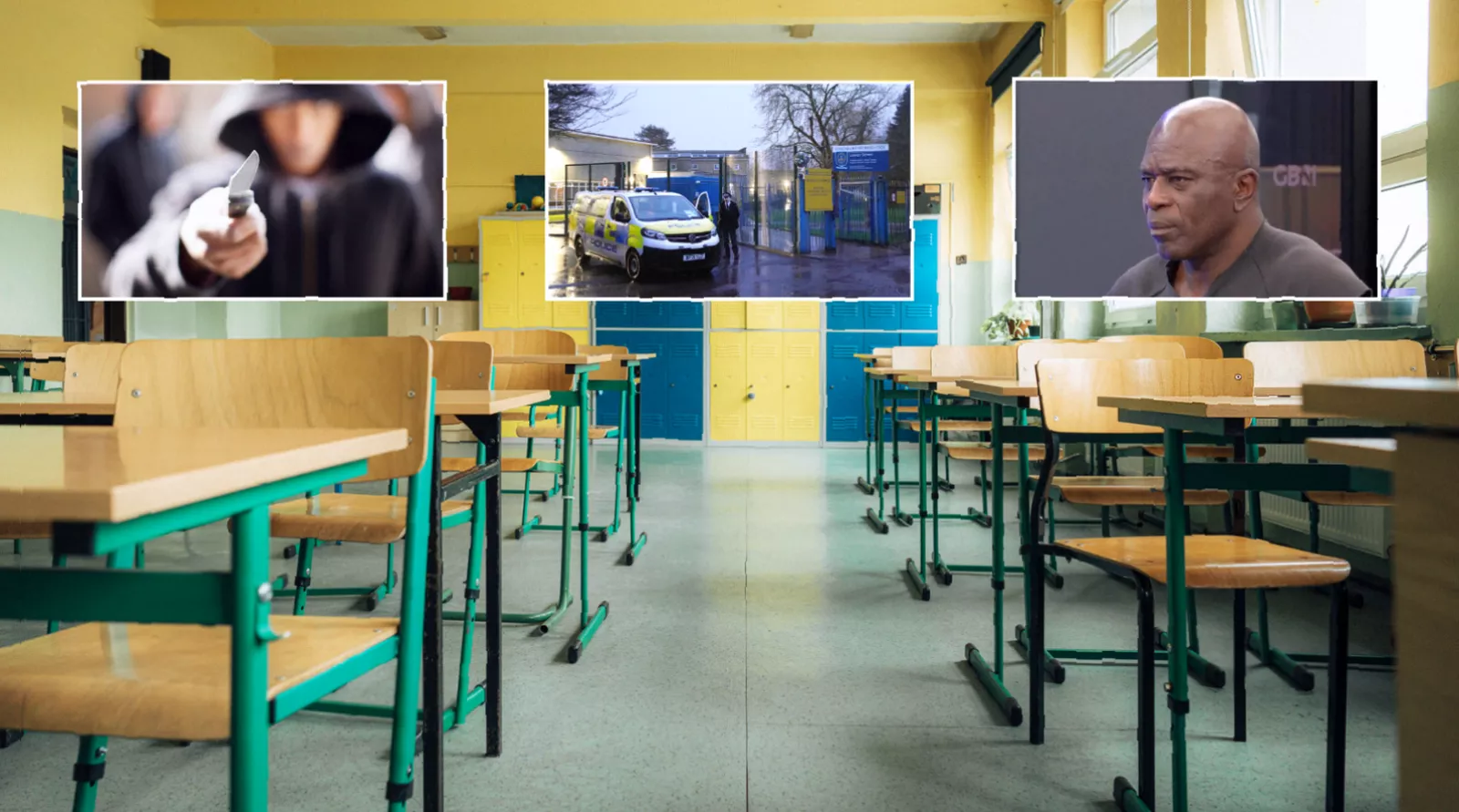
Nevertheless, the impact of high-profile incidents is profound. On 9 June, a 14-year-old girl was charged with three counts of attempted murder and two counts of possessing a bladed article after two students and a staff member were stabbed at the Co-op Academy in Manchester. Counter-Terrorism Policing North West is leading the investigation, though the force has said it is not currently being treated as a terrorist incident. The injuries were described as non-serious. The attack came just days after a stabbing at the same school, and has intensified calls for action.
Anti-knife crime campaigner Ken Hinds, founder of the Haringey Independent Stop-and-Search Monitoring Group, warned that enforcement alone cannot solve the crisis. “I can go onto the streets as a street father, intervene, de-escalate situations and even take weapons away,” he said. “But enforcement alone will never solve this crisis.” He pointed to underlying issues such as low self-esteem, trauma, poor mental health, a lack of belonging and emotional instability, and called for community-led support systems that “encourage young people to speak before anger turns into irreversible decisions”.
Alongside youth violence, hoax threats have become a major driver of lockdowns. In March, Merseyside Police launched an investigation into bomb threats sent to multiple schools in Liverpool. Lipa School was forced to enter lockdown after deeming an attack a “credible risk” due to heightened media attention, while Chesterfield High School received a message stating: “Today, I will be going to multiple unnamed schools to have most casualties.” Some hoaxes cause severe alarm before being exposed: at an Essex primary school, a letter that impersonated the local council leader and prompted panic from staff and the council was later revealed to have been written by a pupil as part of a creative writing exercise. Historically, such threats have caused widespread disruption — in January 2016, hundreds of schools received hoax bomb emails, leading to mass evacuations.
Intruders remain a persistent concern. In September last year, armed police and a helicopter descended on Abbeyfield School in Northamptonshire following reports of an incursion involving “masked men carrying knives”, although no arrests were made. Six months earlier, officers detained a man “acting suspiciously” at Kents Hill School in Essex, recovering a BB gun.

Martyn’s Law and the push for mandatory guidance
In response to these pressures, many schools are formalising emergency procedures. A 2025 survey by Teach Tapp found that 47 per cent of primary schools now practise lockdown drills with pupils, up from 33 per cent in 2022. Among secondaries, the figure rose from 38 per cent to 59 per cent. Drills typically involve pupils hiding under desks, locking windows, barricading doors and remaining silent. One teacher described being taught “run, hide, tell” and said there were different tiers of urgency: “For one, we had to pull the blinds down and lock doors but carry on as normal. Another was to keep children away from outside walls and windows and keep them quiet until we heard otherwise.”
Archbishop Ilsley Catholic School in Birmingham allowed ITV News exclusive access to film a lockdown rehearsal in January, describing the practice as “widespread nationally”. Erskine Stewart Melville in Scotland announced plans for US-style drills, citing potential “security threats in the local community”. Yet concerns remain about the psychological impact on children. A US-based RAND study from autumn 2023 found that while nearly 70 per cent of teachers felt neither safer nor less safe after drills, 12 per cent felt less safe. Other research has linked school lockdowns to increased student mental health challenges, including anxiety and stress, particularly among vulnerable pupils. Some parents have questioned the necessity, with one remarking: “This isn’t America.”
The NASUWT teaching union has warned that a significant minority of schools still lack formal lockdown procedures. Schools Week reported that 26 per cent of primary schools and 19 per cent of secondary schools do not have them in place. National official Wayne Bates told GB News there is “anecdotal evidence of some institutions ignoring the advice, believing they do not need a lockdown procedure”, leaving “teachers, pupils and other staff potentially vulnerable to a violent intruder”. He noted that current guidance “appears to discourage drills in primary and early years settings”, where staff “may hold drills for staff at a time when younger learners are not present”. A former member of staff at an Essex primary school, who wished to remain anonymous, claimed the headteacher “refused lockdown drills to avoid scaring the children”. Bates added: “The NASUWT believes there is a need for comprehensive, mandatory lockdown guidance in schools.”

The legal landscape is about to shift. Martyn’s Law — the Terrorism (Protection of Premises) Act 2025, named after Martyn Hett, one of 22 people killed in the 2017 Manchester Arena attack — became law on 3 April 2025 and will be enforced after a 24-month implementation period, meaning schools must comply by around April 2027. It requires any school with a capacity of 200 or more to have “appropriate” evacuation and lockdown procedures in place, appoint a “responsible person”, and notify the Security Industry Authority. Most schools will fall under the “Standard Tier” (200–799 people), requiring basic terrorism awareness training for staff, a simple response plan, and regular testing. Safeguarding expert Claire Ray highlighted the significance of the law in ensuring schools are protected. The Department for Education has issued guidance to help schools prepare, focusing on proportionate, low-cost steps such as identifying vulnerabilities, establishing communication systems, and embedding a “security-minded culture”. Dan Grant, of Leaders in Safeguarding, called on ministers to launch a “formalised process for gathering data to help the sector identify areas of growing concern, what works well and assist with planning and publishing further guidance”.
The Association of School and College Leaders said schools are acting sensibly. General secretary Pepe Di’Iasio remarked: “Schools and colleges go to great lengths to protect their students and staff but, like many public venues, they do sometimes face threats. It’s therefore sensible to have precautionary measures in place to deal with these, including lockdown procedures, and to keep these under regular review.” A spokesman for the National Education Union added: “Schools are generally very safe places for staff and children, but vigilance is essential and it is important that plans are in place to protect staff and children in the event of a variety of potential threats. Staff know how to carry out drills in a way that does not alarm or frighten children.”
The Department for Education said in a statement: “Schools must be places of safety, and while violent incidents are rare, we will always support staff and local authorities in their duty of care to look after pupils. Our guidance supports schools with practical advice on security measures and emergency procedures, which they can adapt based on their specific circumstances. We work closely with police and local authorities to ensure schools have the right support to keep children safe, allowing them to focus on learning in a secure environment.” Sources indicated that ministers are preparing further guidance to help schools understand the implications of Martyn’s Law, enabling them to take “proportionate, practical steps to strengthen security and improve preparedness”.