A major UK pharmaceutical company has been formally censured for “systemic failures” in its compliance oversight that regulators said directly jeopardised patient safety. Theramex, a leading producer of hormone replacement therapy, was issued a public reprimand by the industry’s self-regulatory body after its own staff blew the whistle on alarming lapses affecting widely used medicines.
The Prescription Medicines Code of Practice Authority (PMCPA) found Theramex in breach of the Association of the British Pharmaceutical Industry (ABPI) code of practice 21 times across two cases. The panel ruled that a “systemic failure in compliance oversight” at the company had brought discredit on the entire pharmaceutical industry.
The Specific Failures: Outdated Information and Missing Warnings
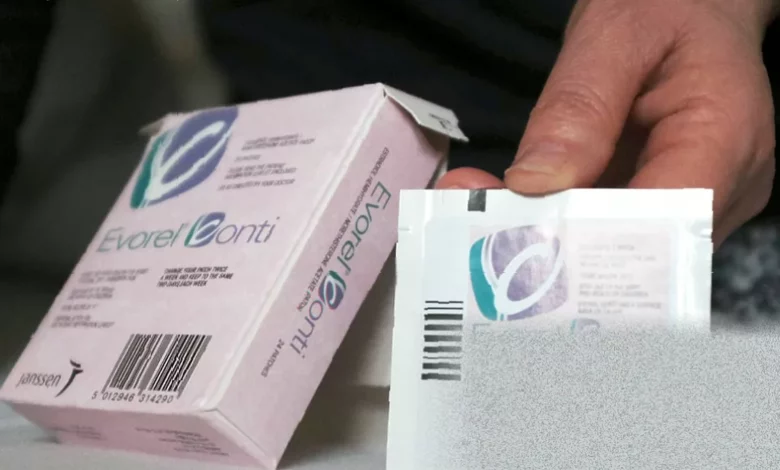
The breaches centred on a failure to maintain accurate and complete prescribing information for key products, some of which had not been updated for years. For Evorel patches—a transdermal HRT containing estradiol and among the most prescribed forms—the prescribing information was found to be “incomplete.” It omitted common side effects including uterine spasms and vaginal infections. NHS prescribing data underscores the scale of potential exposure: Evorel had 2.8 million prescriptions in 2023-24, and over 250,000 items were issued last financial year. Overall, nearly 10 million items of estradiol were prescribed in 2024/25.
For another HRT product, Intrarosa, the company had not updated its product information since 2019. Separately, Theramex was reprimanded for a “serious error” in its advertising for Yselty (linzagolix), a drug used to treat uterine fibroids. At a reproduction and advertising conference, the company failed to specify that the medicine must not be used during pregnancy. This is a critical omission as Yselty is a “black triangle” medicine, denoting it is under additional monitoring, and pregnancy must be ruled out before treatment begins.
The case came to light in autumn 2024 when a group of concerned Theramex employees wrote to the PMCPA. A formal complaint was filed in October 2024 detailing what they described as “alarming” compliance issues that “jeopardise patient safety.”
Leaving the Self-Regulatory System
In a move condemned by regulators, Theramex subsequently withdrew from the PMCPA’s jurisdiction in January 2026, meaning it is no longer part of the pharmaceutical industry’s self-regulatory framework. The PMCPA stated this action “inevitably delayed any regulatory action and oversight,” requiring the government’s Medicines and Healthcare products Regulatory Agency (MHRA) to assume full responsibility.
Dr Amit Aggarwal, medical director of the ABPI, said Theramex had “fallen seriously short of the standards expected under our strict ABPI code of practice,” and expressed disappointment at the company’s decision to leave the self-regulatory system, which he said holds companies to standards “above and beyond the law.”
Julian Beach, the MHRA’s executive director of healthcare quality and access, said his agency was disappointed but emphasised that leaving the PMCPA “does not mean a company escapes scrutiny.” He stated the MHRA has legal powers to investigate and act on public safety concerns, adding that “breaches of regulations can amount to criminal offences.” Theramex is now fully regulated by the MHRA for UK medicines legislation.
The company’s compliance failures occur against a backdrop of well-documented HRT shortages in the UK in recent years, driven by increased demand, supply chain issues, and manufacturing delays. Theramex’s own FemSeven range was reported as unavailable for a period until late 2020 or into 2021.
Theramex’s Response
In response to the censure, a spokesperson for Theramex said: “Upholding ethical standards, compliance, and patient safety is very important to us. We acted promptly to address these historical matters as soon as we became aware of them.”
The company stated it had undertaken a comprehensive review of its compliance framework, including an independent external audit and implementing enhancements. It claimed that by April 2025, it had resolved the raised matters and initiated substantial updates to its processes.
The spokesperson explained the withdrawal from the PMCPA, saying: “As part of this process, we concluded it is most appropriate to be regulated with respect to UK medicines legislation by the MHRA, while continuing to uphold the spirit and principles of the EFPIA and ABPI codes of practice.” They added that this approach allows the company to “focus our resources on maintaining high standards of ethical and compliant behaviour, with patient safety paramount.” Theramex declined to attend a final PMCPA Appeal Board meeting in February 2026 or provide further written submissions.