The NHS could save approximately £40,000 per patient every year by prescribing tablet instead of liquid medication to children with a rare pancreatic condition, according to experts at Great Ormond Street Hospital.
The Staggering Cost Difference
Researchers at the specialist London hospital revealed the savings are driven by an extraordinary price disparity. The liquid form of diazoxide, a vital drug used to manage blood sugar in children with congenital hyperinsulinism (CHI), costs the NHS £15.50 per 50mg dose. The chemically identical tablet form costs just £1.15 for the same amount.
Given that children with CHI require multiple doses every day to prevent dangerous hypoglycaemia, the annual cost per patient is high. The switch to tablets, confirmed as medically effective in a recent project, therefore presents a significant opportunity for the health service. This initiative aligns with broader NHS efforts to optimise spending, such as the switch to biosimilar medicines which saved £300 million in the case of adalimumab.
More Than Just Savings: A Life Less Disrupted
The financial benefit is matched by a profound improvement in quality of life for young patients and their families. A project co-led by Kate Morgan, a Gosh clinical nurse specialist, and Dr Antonia Dastamani, consultant paediatric endocrinologist and Lead of the hospital’s Congenital Hyperinsulinism Service, involved 19 patients aged seven to 13.
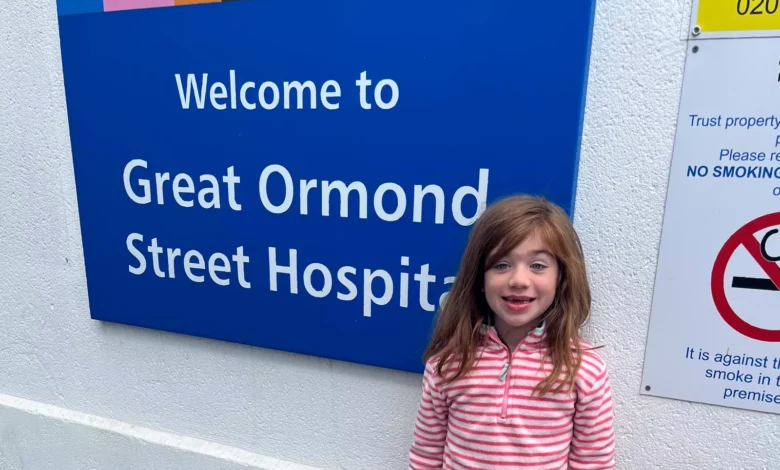
They found children not only managed the transition successfully but actively preferred tablets. For 11-year-old Jess Manktelow from Kent, who switched in April 2025, the change was transformative. Her treatment for CHI, a condition she has lived with since she was 15 months old, had previously dominated daily life.
“It has made a big difference taking medicine that doesn’t taste horrible,” Jess said. The liquid form required storage at room temperature in a glass bottle and administration via a syringe, disrupting school and hobbies like climbing. “I’m able to do it myself and it doesn’t take up as much time,” she added.
Her mother, Steph Manktelow, said the tablet gave Jess greater control over her condition. Kate Morgan noted the scale of the quality-of-life improvement was an unanticipated benefit of the trial, emphasising the importance of “simple, positive changes that impact everyone for the better.”
Dr Dastamani said the project shed light on a previously overlooked question. “We never thought to ask patients about the taste of medicines and whether they like them,” she said, adding that it highlighted how involving children in their care could foster greater independence.
A Broader Potential for Change
The implications of the findings extend beyond this single drug. The issue of palatability is a well-recognised barrier to medication adherence in children, who are more sensitive to bitter tastes than adults. Improving acceptability can directly impact the efficacy of treatment.
With CHI affecting roughly one in every 30,000 to 40,000 children—with UK data suggesting a minimal incidence of 1 in 28,389 live births—the direct savings for this patient group are substantial. Gosh, a national and international referral centre that has treated over 700 CHI patients, is now planning to assess if the switch is viable for even younger children, specifically those aged four.
This suggests a potential model for the NHS to achieve further savings across a range of paediatric medications historically prescribed in liquid form, turning a simple change in administration into a significant win for both finances and patient experience.