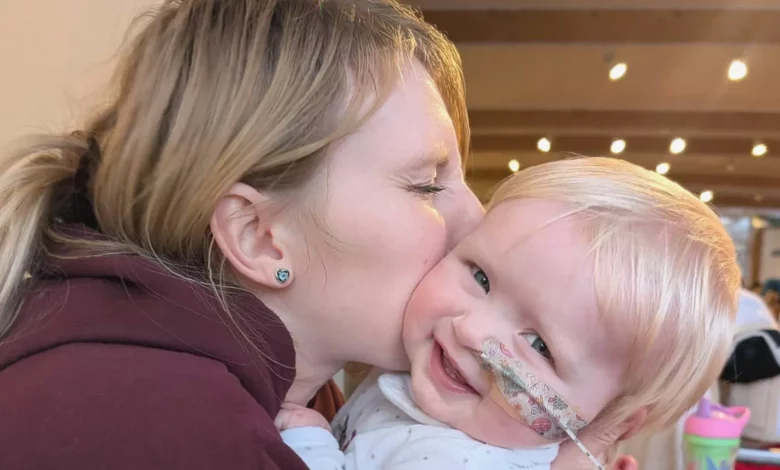
For 12 of her 14 months of life, Elyza Whittington has been living with a mystery. The little girl from Brechin, Angus, has an undiagnosed condition that has baffled doctors, consumed her family’s life, and left her facing profound daily challenges since she was just two months old.
A Year-Long Search for Answers
Her mother, Yasmin Whittington, 30, recalls the first signs that something was wrong. “She began being sick, she wasn’t feeding right and she was very floppy. I knew something wasn’t right,” she said. Elyza’s muscle tone was almost non-existent—a state known medically as hypotonia, or “floppy infant syndrome“—and she would sleep around 21 hours a day. “She just wasn’t developing the way she should,” Yasmin added.
Almost a year on, a definitive diagnosis remains elusive. Elyza has spent more than three months of her life in hospital undergoing a battery of tests. Doctors initially identified the hypotonia but believe it is a symptom of a deeper, underlying cause. The process of diagnosing rare and complex conditions in children is often lengthy and intricate, with a confirmed diagnosis not always possible. Hospitals like the Royal Hospital for Children in Glasgow, which offers specialist neurology, neuromuscular and neurogenetics clinics, are often at the forefront of such investigations, utilising advanced imaging and genetics services.
The Reality of a Complex, Unknown Condition
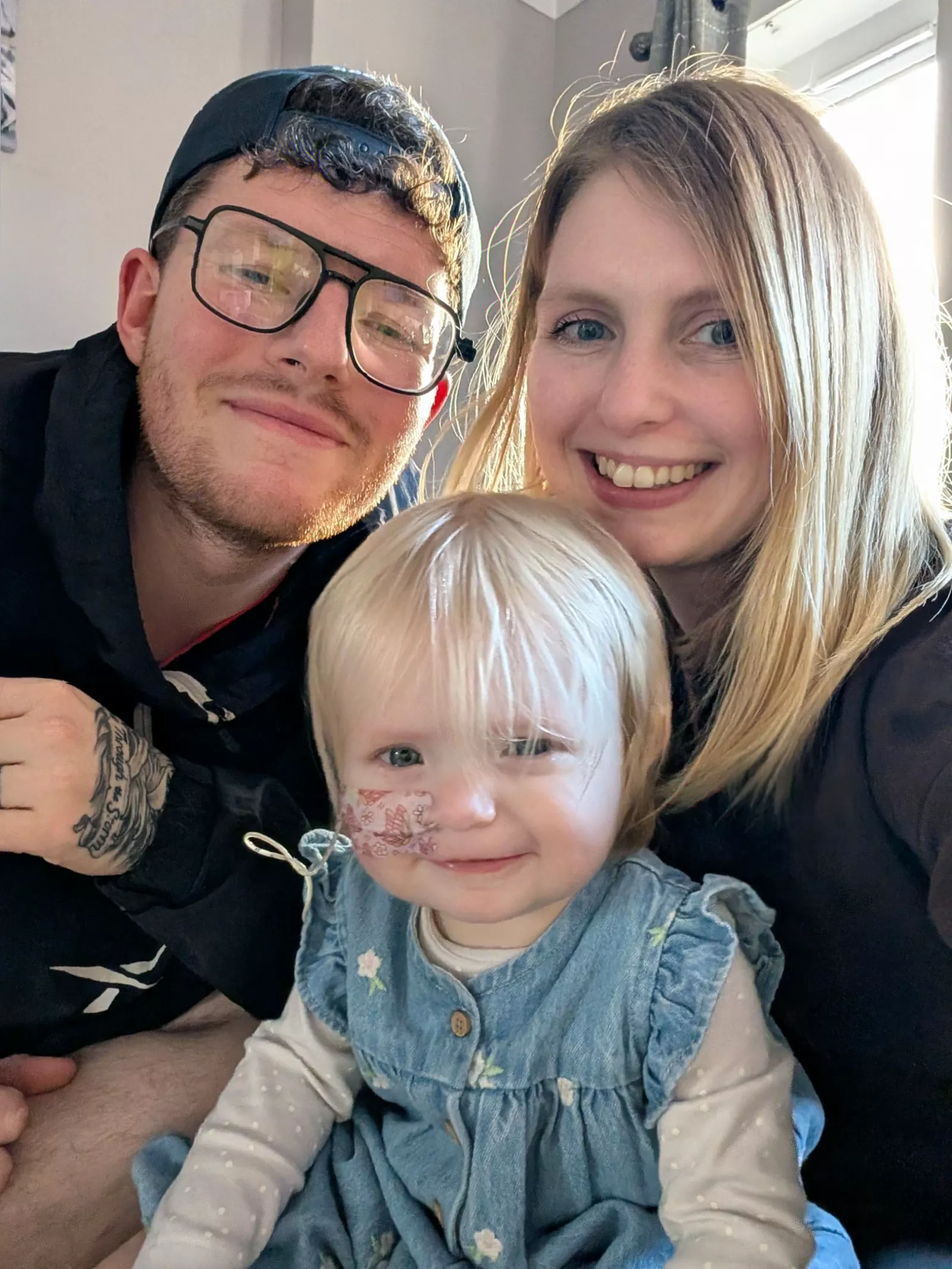
The toll of the illness on Elyza is severe and multifaceted. She suffers from persistent sickness, chronic fatigue, and serious gastrointestinal problems. Developmentally, she is closer to a five or six-month-old, having only just started to sit. She cannot feed orally and is dependent on a feeding tube, yet still struggles to gain weight. Her medical team is now considering the need for a feeding tube directly into her stomach.
Hypotonia, while a clear symptom, is not a disease in itself but a sign of potential issues within the nervous system, muscles, or genetic makeup. Underlying causes can range from genetic disorders such as Prader-Willi syndrome or muscular dystrophy to birth injuries or infections, making the diagnostic hunt particularly complex. For the Whittingtons, this medical uncertainty translates into a relentless care routine. Yasmin has had to give up work to become a full-time carer. “I’ve gone from mum to nurse quite quickly,” she said. “I live and breathe everything about her care now. You just adapt because you have to.”
The impact resonates through the whole family, which includes Yasmin’s husband Charles, 31, and their three other children: Isaac, seven, Alfie, five, and Isla, two. The financial strain of constant travel and hospital visits adds to the burden, a common challenge for the approximately 3.5 million people in the UK living with a rare condition, about 70% of whom are children.
“A Life Changer”: The Role of Charitable Support
Amid the struggle, support from The Archie Foundation has been pivotal. The charity, which aims to transform healthcare experiences and outcomes for children, provided the family with a specialised car seat to support Elyza’s low muscle tone—a piece of equipment organised within two weeks. “It’s been a life changer,” Yasmin said. “They’ve lifted a huge financial burden for us during a really tough time.”
The foundation’s remit extends beyond practical aid; it funds extras for hospital experiences, creates child-friendly environments, offers bereavement support, and provides emergency financial assistance to families in crisis. “Caring for a child with complex needs can be overwhelming, and no family should have to face it alone,” said Reti Turner, a senior fundraising officer at The Archie Foundation.
In gratitude, Yasmin is taking part in Glasgow’s Kiltwalk challenge to raise money for the charity, with plans to join the Dundee Kiltwalk later this year. The Kiltwalk events, underwritten by The Hunter Foundation, ensure 100% of sponsorship raised goes to the participant’s chosen charity. For Yasmin, it is a manageable way to give back. “Getting out and about for walks is really good for your mental health at times like this,” she said.
As doctors continue their efforts, which may involve referrals to NHS genetics services or engagement with initiatives like KidsRare that aim to speed up diagnosis for paediatric rare diseases, the Whittington family focuses on resilience. “Whatever happens, we’re just learning what our new normal looks like,” Yasmin said, “and doing everything we can to give her the best life possible.”