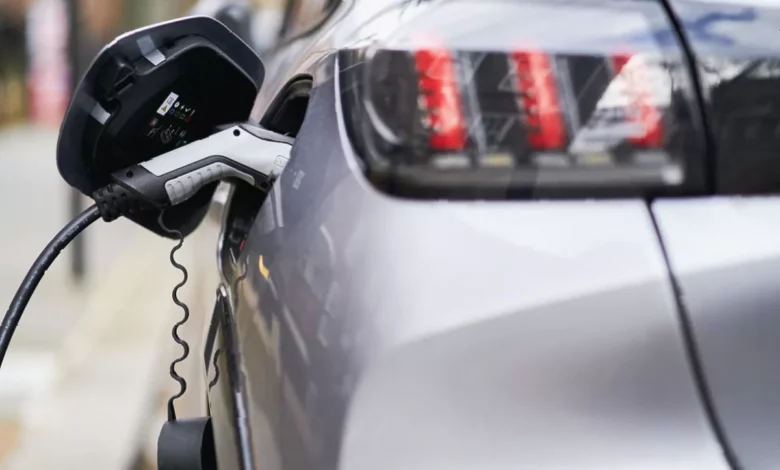
Electric car registrations reached an unprecedented high in March, marking the best month on record for battery-powered vehicles as consumer interest surged amidst a dramatic spike in fuel costs. New figures from the Society of Motor Manufacturers and Traders (SMMT) reveal that 86,120 new battery electric vehicles (BEVs) were registered last month, a 24.2% increase on March 2025.
The broader market for electrified vehicles, which includes hybrids and plug-in hybrids, also hit a new peak of 196,059 registrations. Plug-in hybrid electric vehicle (PHEV) registrations soared by 46.9% year-on-year, capturing a 13.0% market share, while hybrid electric vehicles (HEVs) rose by 7.3%. This electrified surge contributed to the overall new car market’s best monthly performance since 2019, with total registrations growing 6.6% to 380,627 vehicles. Private demand led the growth, rising by 10.1%.
This surge in EV interest occurred against a backdrop of record-breaking increases in fuel prices, driven by the ongoing conflict in the Middle East following airstrikes against Iran in late February. According to RAC data, unleaded petrol rose by 20p per litre in March to 152.83p, surpassing the previous record monthly rise seen in June 2022. Diesel prices saw an even more dramatic increase of 40p per litre, reaching 182.77p. These hikes have added approximately £11 to the cost of filling a typical petrol car and over £22 for a diesel vehicle.
The geopolitical turmoil pushed global oil prices sharply higher, with crude reaching $120 a barrel in early March, and analysts warned of potential rises to $150. This direct impact on the cost of living appears to have steered consumers towards electric alternatives. Ian Plummer, commercial director at Auto Trader, reported a significant surge in inquiries for new EVs between February and March, equivalent to one every minute last month. “If that online intent converts into sales, progress will follow,” he said.
The looming challenge of the ZEV mandate
Despite the record-breaking month, the automotive industry faces a significant policy challenge. The government’s Zero Emission Vehicle (ZEV) mandate requires that at least 33% of new cars sold by each manufacturer this year be zero-emission—effectively pure battery electric. However, the market share for BEVs in March stood at 22.6%, and is 22.4% for the year to date, falling well short of the target.
The SMMT has called for an urgent review of the transition, arguing that current market realities have diverged sharply from the assumptions made when the mandate was set. Mike Hawes, the SMMT’s chief executive, stated that geopolitical events had given more urgency to this need. The trade body points to several escalating costs: battery prices are over 30% higher than expected at the start of 2026, industrial energy prices are around 80% above 2021 levels, and public charging costs have risen by over 140% in five years.
Furthermore, the SMMT estimates that manufacturers have provided over £10 billion in vehicle discounts since the ZEV mandate’s introduction to stimulate demand—a practice it describes as unsustainable. While some in the industry argue against weakening the mandate, emphasising the need for policy certainty, the gap between the target and actual sales remains a central concern. The record sales, though positive, still leave the market trailing the mandated pathway.
In response to these challenges, the government’s Department for Transport highlighted its support measures. A spokesperson pointed to investment in EV manufacturing and the charging network, including the allocation of over £185 million from the Local Electric Vehicle Infrastructure (LEVI) fund to local authorities. The spokesperson also cited the Electric Car Grant, through which over 85,000 drivers have saved up to £3,750 on a new EV, and enhanced grants for home charger installations, which increased to up to £500 per socket from 1 April.
Market dynamics also show a shifting landscape. The best-selling model in March was the Jaecoo 7, a Chinese-manufactured SUV, underscoring the growing traction of new brands in the UK market. Meanwhile, the used EV market is experiencing strong demand, particularly for vehicles aged three to six years, though prices for younger used EVs remain under pressure. The industry continues to watch whether rising fuel prices and increased model choice will translate into sustained growth that can close the gap to the government’s ambitious targets.