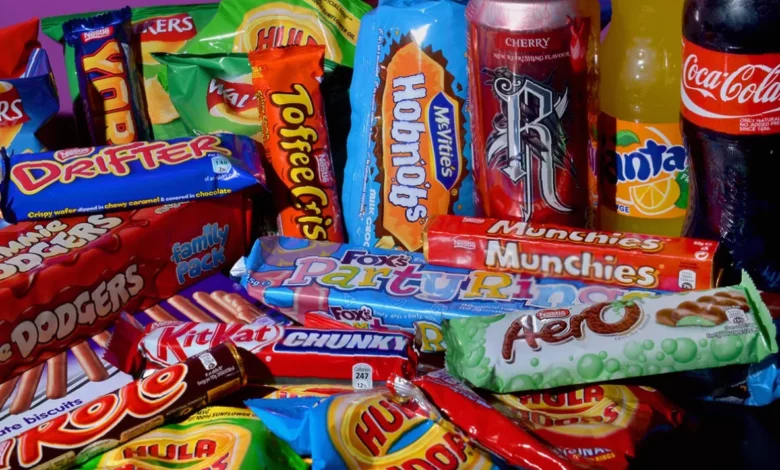
More than half of parents in England admit to giving in to their children’s demands for junk food, according to new research that lays bare the scale of “pester power” in the nation’s supermarkets. The study, presented at the European Congress on Obesity in Istanbul, found that 58% of the 1,050 parents surveyed said their children or teenagers frequently ask to buy products high in fat, salt or sugar – and 72% of parents then often purchase those items.
Children’s demands shape shopping baskets
The research, which predominantly featured women (67%) with children aged between one and 18, revealed that 58% of parents reported their child “frequently” or “always” requested products while food shopping. Only 4% said their child never did. Younger children, aged four to 11, were found to make more demands than those aged 12 to 18 and were more likely to pester than toddlers aged three and under.
The most sought-after items were ice creams and lollies (45%), sweets and chocolates (43%), and biscuits (42%). Over half of parents noted children verbally asked for products, one in three children physically placed items in the basket or trolley, and around one in six mentioned a product display or in-store advert. Older children appeared more susceptible to in-store or media advertisements.
A quarter of parents overall said that seeing branded, child-friendly characters on packaging, or watching food adverts on TV or online before shopping, was driving these requests. A 2020 report by the Children’s Food Campaign and Food Active found that 91% of parents surveyed believed child-friendly characters on food and drink led to their children requesting those products.
Parental responses and distress
The pressure on parents extends beyond direct pestering. Nearly three-quarters (59%) of parents confessed to being swayed by price promotions and in-store offers, leading to unplanned food purchases, while 52% attributed these buys to shopping with children. Alarmingly, almost a quarter (23%) of parents reported that these requests made them feel upset, guilty or distressed.
The study highlighted that parents experiencing food insecurity are pestered more frequently, which co-author Dr Magdalena Muc from the Open University described as “a real source of distress.” Research from Scotland indicates that food insecurity is associated with persistent overweight and obesity during childhood, and the cost-of-living crisis has exacerbated barriers to accessing healthy food. Children in more deprived areas are substantially more likely to be obese: in 2023-24, 12.9% of reception-aged children in the most deprived areas of England were living with obesity, compared with 6.0% in the least deprived areas. For Year 6 children, the figures were 29.2% and 13.0% respectively — a gap that has widened since 2009-10. A report by Health Equity North noted that families with children are twice as likely to be food insecure as those without children, and that the “aggressive promotion of cheap junk food” combined with poverty makes it “almost impossibly difficult” for parents to feed their children healthily.
Marketing’s grip on young consumers
Lead researcher Emma Boyland, a professor of food marketing and child health at the University of Liverpool, said: “While children might not be paying the bill at the checkout, their influence over their parents’ purchasing decisions is very real. Parents can, and do, say no but the current food environment does not help parents to feed their children healthy diets.”
Dr Muc added: “Children are highly susceptible to powerful and sophisticated marketing of unhealthy foods and beverages, and the frequent exposure we observe prompts them to pester their parents, putting them at greater risk of developing overweight and obesity.” Research presented at the European Congress on Obesity in Málaga found that children aged seven to 15 consumed an average of 130 extra calories after just five minutes of junk food advertising. This impact was consistent across video, social media and podcasts, and even for generic brand advertising.
Price promotions are a major feature of the British grocery landscape, accounting for 34% of take-home food and drink expenditure. Shoppers who regularly use promotions buy approximately a fifth more items high in fat, salt or sugar than low-promotion shoppers. Research suggests that removing price discounts is more effective at reducing purchase volume than ending multi-buy offers, particularly for unhealthy food and drink groups. Overall, 51% of food purchased in the UK is bought under promotion.
New UK regulations banning the advertising of high-fat, salt and sugar (HFSS) foods on TV before 9 pm and online at all times came into force on 5 January 2026. The government expects these measures to remove 7.2 billion calories from children’s diets annually and prevent around 20,000 cases of childhood obesity. However, concerns remain about loopholes, such as advertising on billboards and other outdoor formats not being affected.
Broader childhood obesity statistics underline the scale of the problem. In 2024, 15% of children aged two to 15 in the UK were living with obesity, and 26% were either overweight or living with obesity. Obesity prevalence increased with age, from 10% of those aged two to four to 17% of those aged 13 to 15. In England, 9.6% of reception-aged children (four to five) were obese in 2023-24, with a further 12.4% overweight; for Year 6 children (10 to 11), 22.1% were obese and 13.8% overweight. Children in the most deprived areas are approximately twice as likely to be obese, and rates of severe obesity are around four times higher there. A report in June 2024 stated that obesity levels among 10 and 11-year-olds in England have increased by 30% since 2006, with one in five children officially obese by the time they leave primary school.
Experts call for overhaul of food environment
Professor Boyland said the findings “highlight the need for significant transformation of online and in-store food shopping environments and marketing, both of which have a huge influence on what products parents buy and children eat, and increase the risk of childhood obesity.” The research also noted that parents’ own eating behaviours influence their children’s responses to food. Parents who use food for emotional regulation tend to have children who do the same, and a less healthy home food environment can lead to children developing avoidant relationships with food.
Despite the pressures, Dr Muc stressed that it is the parents facing food insecurity who are pestered most often. “Concerningly, our findings suggest that it is the parents experiencing food insecurity who are pestered more frequently and it can be a real source of distress,” she said.