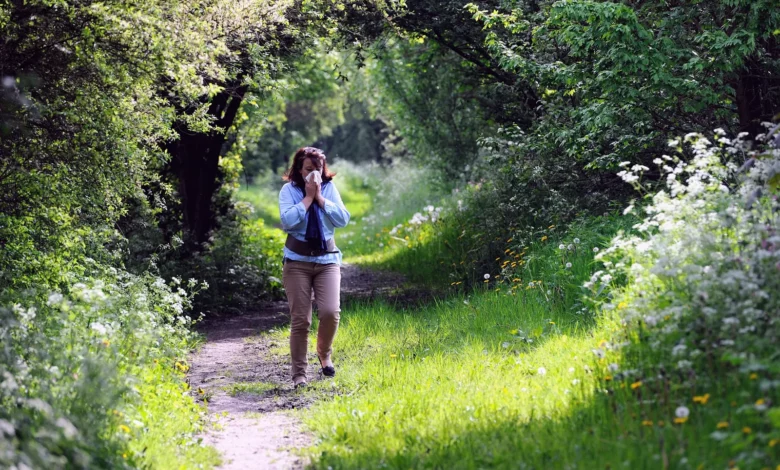
Record warm spring 2026 means a worse pollen season for many
Record warm spring temperatures in much of the United States, combined with an unusually mild start to the season in parts of southern England, have set the stage for a punishing pollen season. In the UK, early spring temperatures were slightly above average, and a prolonged wet winter followed by a sudden warm snap in late February triggered an unusually early and intense burst of alder and hazel pollen, with counts in London hitting “very high” before March. Birch season also began about ten days ahead of the long‑term average. For the millions of people who suffer from hay fever and other allergic conditions, the result is more sneezing, more itching, and more misery.
Allergies — formally known as allergic rhinitis or allergic conjunctivitis — are an inflammatory response of the nose or eyes to allergens. When the immune system produces an allergic antibody called IgE in reaction to proteins found in pollen, the body releases histamine, prostaglandins and leukotrienes, triggering itchy, watery eyes, a runny nose, sneezing, congestion and nasal itching. Seasonal allergies are now a major public health burden in the UK: an estimated 20 to 21 million people have some form of allergy, roughly one‑third of the population. Hay fever affects between 10 and 15 percent of children and 26 percent of adults, and recent research suggests around 49 percent of people report experiencing symptoms. Cases have trebled in the last two decades, and poorly controlled hay fever can worsen asthma and eczema, disrupt sleep, damage school performance, and reduce quality of life.
What is driving this season’s severity?
Two big factors are making the 2026 pollen season worse than usual: the length of the growing season and the amount of pollen in the air. Both are increasing.
Climate change is lengthening the growing season. In many parts of North America, the growing season is now two weeks longer on average than in the 1990s and more than four weeks longer than in the 1970s. The UK is following a similar pattern: pollen seasons across the country have lengthened by one to two weeks compared with the 1990s. Warmer temperatures encourage trees and grasses to emerge from dormancy earlier. In 2026, the mild February warm‑up pushed alder and hazel pollen into the air before March, and the birch season arrived early. April was warm and wet across much of England and Wales, and if May and June remain dry, experts warn it could lead to a sharp spike in grass pollen — the most common allergen in the UK, affecting around 95 percent of hay fever sufferers.
At the same time, rising levels of carbon dioxide in the atmosphere — largely from burning fossil fuels — are supercharging plant growth. Higher CO₂ levels drive longer pollination periods and cause plants to produce more pollen. With higher pollen counts, more people are developing symptoms for the first time, and allergists report seeing increasing numbers of patients who had never previously experienced seasonal allergies.
Weather adds another layer of complexity. Windy days blow pollen over wide areas, while rain can temporarily scrub the air. But humidity after rain causes pollen grains to rupture, producing finer particles that are more easily carried on the wind and inhaled — particularly true for grass pollen. Air pollution also plays a role: diesel particulates can make pollen grains more irritating, and outdoor pollutants such as PM2.5 and ozone reach peak levels in the midday and afternoon heat, further aggravating symptoms.
Tree pollen dominates the early part of the season. In the UK, hazel and alder begin releasing pollen as early as January in southern England. Birch — highly allergenic — peaks between April and May, and can cross‑react with hazel and alder, potentially extending symptoms from winter into early June. Oak, ash and plane are also significant triggers. Grass pollen runs from mid‑May to July, with two distinct peaks — one in early June and a smaller one in early July. Weed pollen, including nettle, dock and mugwort, then takes over from late June through to September, until a frost stops production.
How to reduce your symptoms
There are several practical steps you can take to limit your exposure to pollen. Keep windows closed during the pollen season, wipe down pets with a damp towel to remove allergens they bring indoors, and avoid using clotheslines — pollen can settle on washed items. After spending time outside, change your clothes and shower to wash off pollen. Use a HEPA air purifier in your home, but choose a non‑ionising model; ionising filters can generate ozone, which worsens indoor air quality.
Pollen forecasts from the Met Office provide a five‑day outlook to help you plan outdoor activities. Pollen counts are generally highest in the morning, though air pollution peaks later in the day. Counts also vary by region: urban and coastal areas tend to have lower levels than rural and inland locations, and the pollen season starts later and is shorter in the north of the UK.
A range of medications can help. A saline nasal rinse can flush mucus and allergens from the nasal passages. For mild symptoms, daily non‑sedating (second‑generation) antihistamines are effective. People with moderate to severe allergies may benefit from daily nasal steroids, though these can take several weeks to reach their full effect. A nasal antihistamine spray can provide additional relief, and antihistamine eye drops are useful for eye symptoms. In dry climates — such as parts of highland Britain — nasal dryness can contribute to congestion, so saline sprays can help keep the passages hydrated.
If medication is not enough, immunotherapy — also known as desensitisation — addresses the root cause by gradually exposing the immune system to increasing doses of an allergen. In the UK, subcutaneous immunotherapy (allergy shots) is available for severe allergies, but requires weekly and monthly injections over several years and carries a risk of side effects including local reactions, asthma symptoms and, rarely, anaphylaxis. Sublingual immunotherapy (tablets or drops placed under the tongue) is also available on prescription for grass‑pollen‑induced hay fever; it is considered safer than injections and can be self‑administered at home. For seasonal pollen allergies, immunotherapy should be started at least four months before the pollen season to build immune tolerance in time for peak exposure.
For those unsure of their triggers, specialists can carry out skin prick tests, blood tests or special diets to identify specific allergens, allowing for targeted treatment.