Children are suffering severe burns from microwaving squishy toys, with doctors at the Royal Hospital for Children in Glasgow warning that the trend — fuelled by videos circulating widely on platforms such as TikTok — has already left six young patients requiring hospital treatment in the past eight months. Some have needed surgery and skin grafts after the toys exploded, releasing scalding gel that sticks to the skin and prolongs the injury.
Depth of the injuries
Eight-year-old Joseph Erskine, from Clackmannanshire, was one of those victims. In May, a squishy toy burst across his chest and hand after he put it in the microwave. His mother, Stephanie Ewing, said Joseph had seen the trend online and simply hit start on a microwave that had already been set to 40 seconds from a previous use. “He has never used the microwave before,” she said. “It was that quick and easy for him.” The burn did not heal on its own, and Joseph required a skin graft taken from his thigh and applied to his chest. He now faces two years of avoiding direct sunlight on the grafted area — what his mother described as “tricky over the summer months”. Joseph, normally an active and sporty child with six clubs a week, has had to put all that on hold while he recovers.
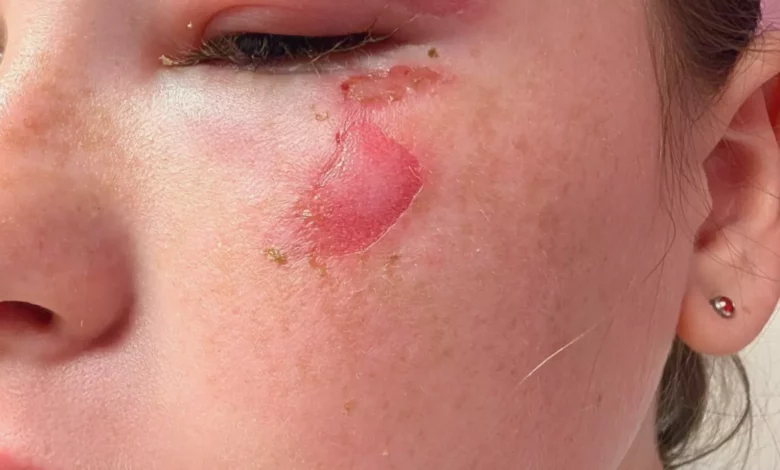
Eleven-year-old Scarlet Rowe, from Irvine in North Ayrshire, was treated for burns to her face and eyelid after a similar incident in May, just hours after her mother Gina bought a three-pack of squishy cubes from Tesco. Gina said: “We didn’t realise what had happened at first, it just looked like slime on her face. It was only after a few minutes we realised it had been heated and was burning her skin.” The swelling was so severe that doctors at University Hospital Cross House in Kilmarnock considered a skin graft because the burn was so close to her eye. “Thankfully, no graft was required but it is so close to her eye that this could have been a lot worse,” Gina added. Scarlet’s family had no idea about the risks; the toys had been bought that same day.
Burns specialists say the injuries from heated squishy toys can be particularly severe because the gel inside remains extremely hot and gets stuck to the skin, prolonging the burn. In some cases, according to the research briefing, “the whole skin came off”. Healing and recovery can take weeks or months, with children often needing ongoing care including dressings, physiotherapy and scar management.
Why microwaving squishy toys is so dangerous
The mechanism of injury is straightforward — and deceptive. The toys are typically made of a silicone casing filled with a gel. When placed in a microwave, internal pressure builds rapidly because the gel heats unevenly and the casing traps the expanding contents. This significantly increases the risk of the toy exploding. The hot gel that is released can stick to the skin, delivering a deep burn that continues to cause damage because the substance clings to the flesh. The silicone casing itself acts as an insulator, meaning the outside of the toy may feel cool to the touch even when the inside has reached boiling temperatures. This can lead children to believe the toy is safe to squeeze, only for the scalding gel to be ejected into their hands, chest or face.
The trend is often presented online as an innocent “life hack” or a simple technique to make the toys softer and more pliable. Videos demonstrating the practice are widely circulated on TikTok, and the platform’s algorithm is known to exploit the vulnerability of young users by pushing content that maximises engagement — potentially leading children down “rabbit holes” of increasingly extreme or dangerous material. British families have filed lawsuits in the United States against TikTok, arguing that the platform’s algorithms and content have caused serious harm to children, including mental health issues and safety risks. One US lawsuit contends that Section 230 immunity may not shield TikTok’s algorithmic recommendations in cases of death related to viral challenges.
Sharon Ramsay, a burns nurse at the Royal Hospital for Children in Glasgow, said: “Unfortunately, we are seeing a growing number of children with preventable injuries linked to this trend. When these toys are heated, the contents can explode and stick to the skin, causing deep burns. These injuries can be very serious and may require long-term treatment, including surgery and rehabilitation. In some cases, children are left with permanent scarring. We strongly urge parents and carers to speak to their children about the risks.”
Prevention and what parents should know
The toys involved are widely available in UK shops, online stores (including Amazon and TikTok Shop) and supermarkets such as Tesco. They are sold under brand names including NeeDoh, Squishies, Nice Cubes and Jelly Cubes, and include popular “mochi squishies” — small, jelly-like fidget toys. Often the packaging carries warnings not to heat, freeze or microwave the product, but children may ignore these instructions because of the online videos, or the packaging may have been thrown away before the toy is used. Toy manufacturer One for All has stated they will add “Do Not Heat” warnings to their packaging.
Beyond the burn risk, some cheaper, copycat versions of these toys have been found to contain toxic chemicals, including high levels of carcinogenic benzene. These products may lack legally required traceability information such as the name and address of a UK-based importer or EU manufacturer, and the mandatory “CE” or “UKCA” marking. They can also emit a strong, pungent chemical smell. Trading Standards advises consumers to ensure toys have proper safety markings and manufacturer details, and to report any concerns about unsafe products.
If a squishy toy feels too firm, the manufacturer’s recommended safe method to soften it is simply to knead it with hands for a few minutes. In the event of a burn, affected areas should be run under cool water for at least 20 minutes; ice should not be used as it can worsen burns.
Parents who have experienced the injuries first-hand are now urging others to be vigilant. Stephanie Ewing said she and her husband were “shocked as it had never crossed our minds that he would do that with a toy”. Gina Rowe added: “These toys are very popular and easy to buy, but we had no idea about the risks. We had only bought them that day. I’d strongly advise parents to be vigilant and check what children are watching and trying online.”
The Scottish National Burns Centre is hosted within NHS Greater Glasgow and Clyde.