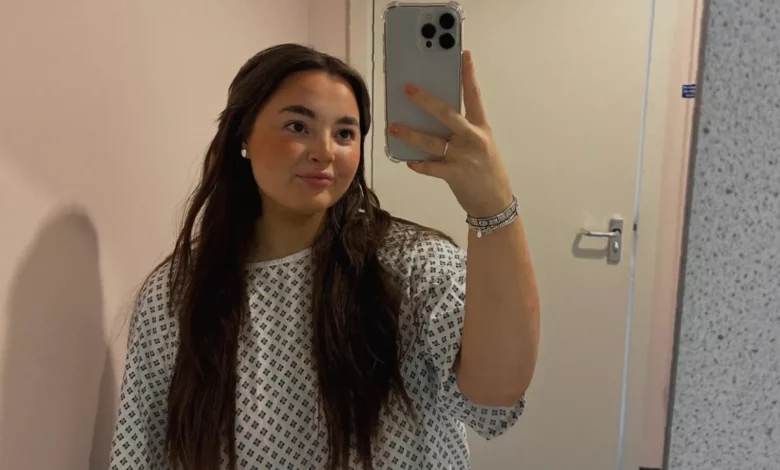
A 21-year-old student nurse has described how her life changed “in the blink of an eye” after an aggressive form of leukaemia upended her studies, her health and her sense of the future. Ayley Crawford was 19 and studying nursing when what began as a series of seemingly minor ailments – sinus infections, colds, muscle weakness and a fainting spell during a university exam – turned out to be acute myeloid leukaemia (AML), a blood cancer that progresses rapidly and carries a stark prognosis.
A diagnosis that came without warning
In March 2024, Ms Crawford’s symptoms worsened. She struggled to eat or drink and developed a painful abscess under her arm. GPs initially suspected diabetes and referred her to University Hospital Wishaw, near her home in Lanarkshire, for tests. On 23 May 2024, she was formally diagnosed with AML carrying the NPM1‑FLT3 mutation – a common genetic profile that can influence treatment options – and was transferred to the Beatson Cancer Centre in Glasgow, one of the busiest cancer centres in the UK.
According to Leukaemia UK, the charity that campaigns for awareness and research, AML is the most aggressive form of blood cancer. Globally, 80% of people diagnosed do not survive beyond five years; in the UK the five‑year survival rate is around 22%, although for patients under 40 the figure rises to approximately 55%. Ms Crawford immediately began four cycles of intravenous chemotherapy, followed by oral chemotherapy. The side effects were tough: her hair thinned, she felt constantly sick, and she admitted she was frightened she might die. “I knew something was wrong with me, but I never thought it would turn out to be cancer,” she said. “My first thought was, ‘I’m going to die.’” Still, she credits the staff at the Beatson with keeping her spirits up. “I kept thinking, I just need to get through this and then I’ll be able to get back to my life.”
Remission, relapse and the search for a donor
By November 2024, Ms Crawford was in remission. She found part‑time work, went on holiday, and began planning a return to university to finish her nursing degree. Then, in March 2025, a routine check‑up and bone marrow biopsy revealed that the cancer had returned. “I was devastated,” she said. “I felt like everything I went through with my treatment had been for nothing. I’d been saying to my family that I was feeling so well, it was a complete shock.”
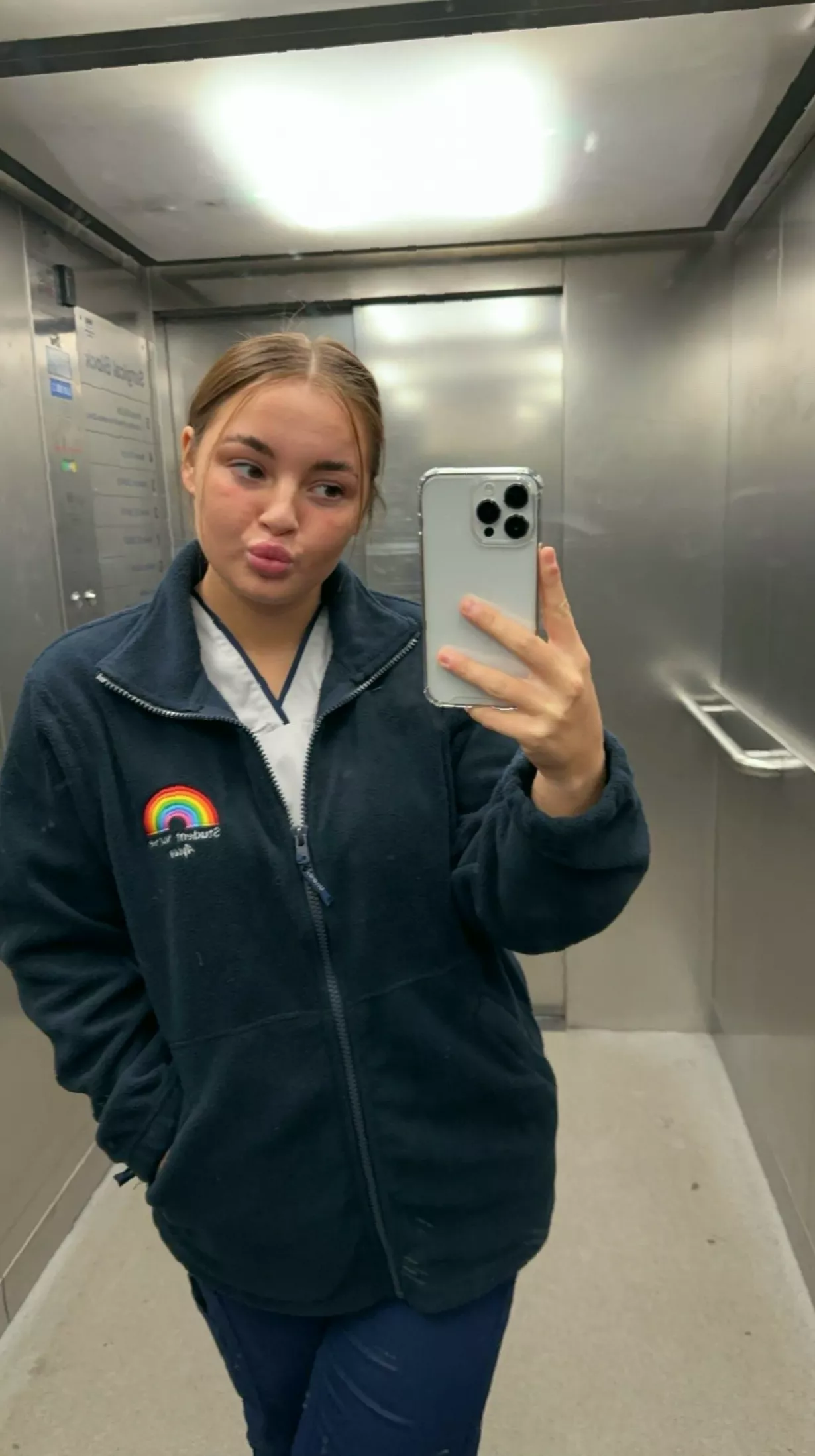
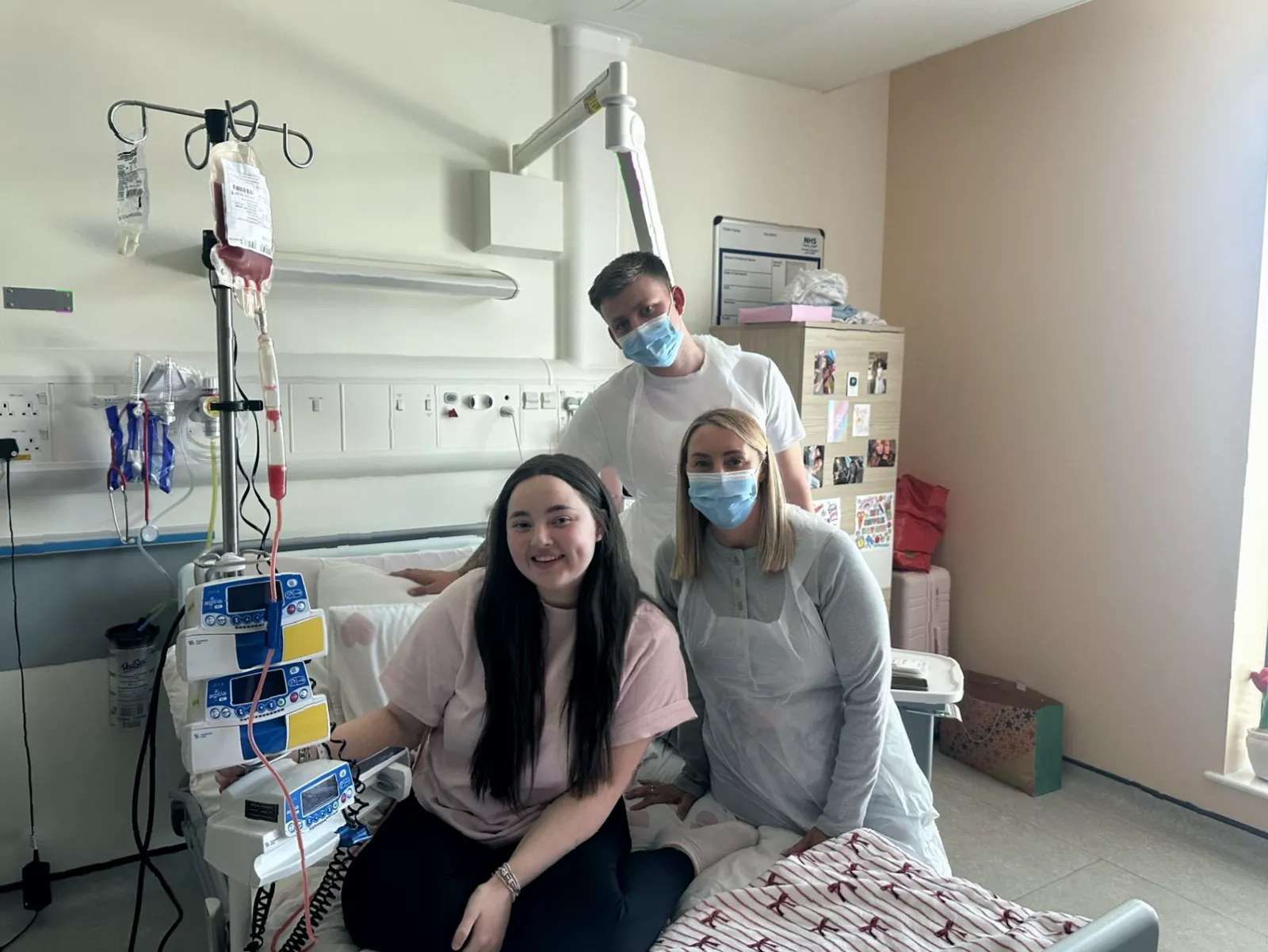
Doctors told her she would need a stem cell transplant. An anonymous donor – from Australia – was found, though anonymity laws in both the UK and Australia mean the donor’s identity remains unknown to her. In July 2025 she was admitted to the Queen Elizabeth University Hospital (QEUH) in Glasgow for the procedure. Visiting was severely restricted: only her boyfriend Riley, her mother and her friend Melissa were allowed to see her during the five weeks she spent confined to her room.
‘The worst thing I’ve ever endured’
Ms Crawford describes the transplant and the aftermath as “honestly the worst thing I’ve ever endured”. The chemotherapy and conditioning regimen that precedes a stem cell transplant caused severe mucositis – ulcers throughout her digestive tract – which led to significant weight loss. She was not allowed out of her room for five weeks. After the transplant, she had to isolate at home for a further three months, taking a cocktail of medications that produced their own harsh side effects: rashes, swelling around the eyes, and a general physical deterioration that she found hard to cope with as a young woman. “Even walking from my bedroom to the bathroom next door felt too much,” she recalled.
The emotional toll was equally heavy. “It was very hard for me dealing with how I looked as a young woman at the time,” she said. Her family and friends provided crucial support, and she was able to celebrate Christmas 2025 at home – a milestone she describes as “so special”.

Despite the progress, Ms Crawford remains acutely aware of the risk of another relapse. “The anxiety around relapse will never leave,” she said. That anxiety is heightened by the nature of her disease: for adolescents and young adults with AML who undergo a stem cell transplant, survival rates are around 50–60%, and the procedure carries a higher risk of long‑term side effects. A sensitive test called minimal residual disease (MRD) can detect low levels of leukaemia cells before a full relapse occurs, offering a chance for earlier intervention.
Looking ahead – and back at what was lost
Ms Crawford is now once again in remission. She plans to travel this summer and return to university in September 2026 to complete her nursing degree. The experience, she believes, will make her a better nurse. “Every ward I was on, the nurses wanted me to come and join them once I was qualified,” she said. “So I may actually go into oncology.”
Yet she also feels the weight of missed years. “I was supposed to be graduating this year, and I’ve missed countless experiences with friends. I feel so behind.”
Fiona Hazell, chief executive of Leukaemia UK, stressed the importance of early diagnosis. “Many people aren’t aware of the signs and symptoms of leukaemia until they or someone they know is diagnosed,” she said. The charity’s #SpotLeukaemia campaign urges anyone experiencing fatigue, unexplained weight loss, bruising, swollen lymph nodes, bone pain, frequent infections, fever or shortness of breath to ask their GP for a full blood count test. Research suggests 86% of UK adults cannot recognise common leukaemia symptoms, leading to late diagnoses that cost lives.
“The anxiety around relapse will never leave,” Ms Crawford repeated, reflecting on the lasting psychological imprint of a disease that, she said, took everything from her “in the blink of an eye”.