Britannia Hotels Group has appointed a new board of directors, pledging a “new phase of development” and significant investment at the chain that has been voted Britain’s worst hotel group for 12 consecutive years and has faced sustained criticism over hygiene, maintenance and the use of its rooms to house asylum seekers.
The new board
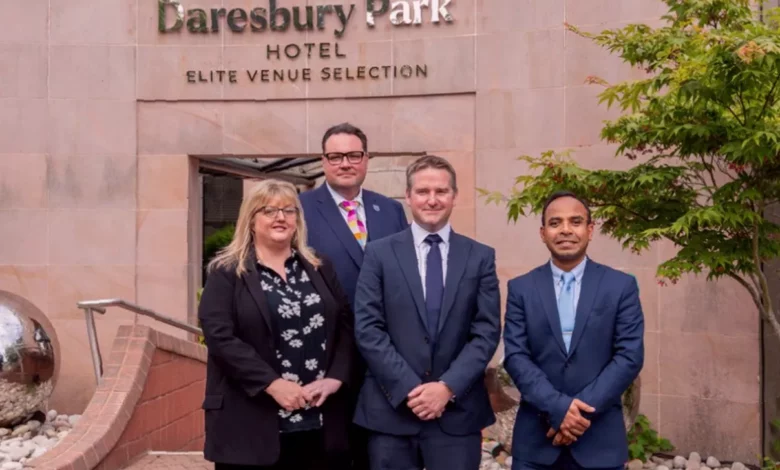
Four executives, all of whom have held senior roles within the group, have been promoted to the board. Simon Powell brings more than 30 years of operational and managerial experience, including 18 with Britannia. Helen Rees, who joined the company in 2023, has more than 25 years of hospitality management experience. Prakash Sivarajan, who joined in 2020, also has more than 25 years in the sector across several leading brands. Paul Streets, a solicitor with more than a decade of legal experience, has served as Britannia’s general counsel for the past three years.
In a statement, the company described the appointments as “a new chapter in the company’s evolution” and said the directors would focus on “enhancing guest experience, investing in the UK-wide portfolio and strengthening team performance”. Paul Streets said: “Britannia Hotels has a proud heritage and unique place in the UK hospitality landscape. As we approach our 50th anniversary, the new board represents an important moment for the business – one that allows us to respect what has been built over many years, while bringing greater focus, clarity and ambition to how we operate going forward.”
History of reputational damage
The group, founded in 1976 by Alex Langsam and now owning 65 properties with more than 10,000 bedrooms, has long been a lightning rod for criticism. In November, Britannia was ranked bottom of the annual Which? Survey of UK hotel groups for the 12th year in a row, receiving consistently low scores for cleanliness, bed comfort and value for money. The company’s best-known hotels – the Adelphi Hotel in Liverpool, the Britannia Hotel in Manchester, the Royal Bath Hotel in Bournemouth and the Grand Hotels in Scarborough, Blackpool and Llandudno – have each faced complaints.
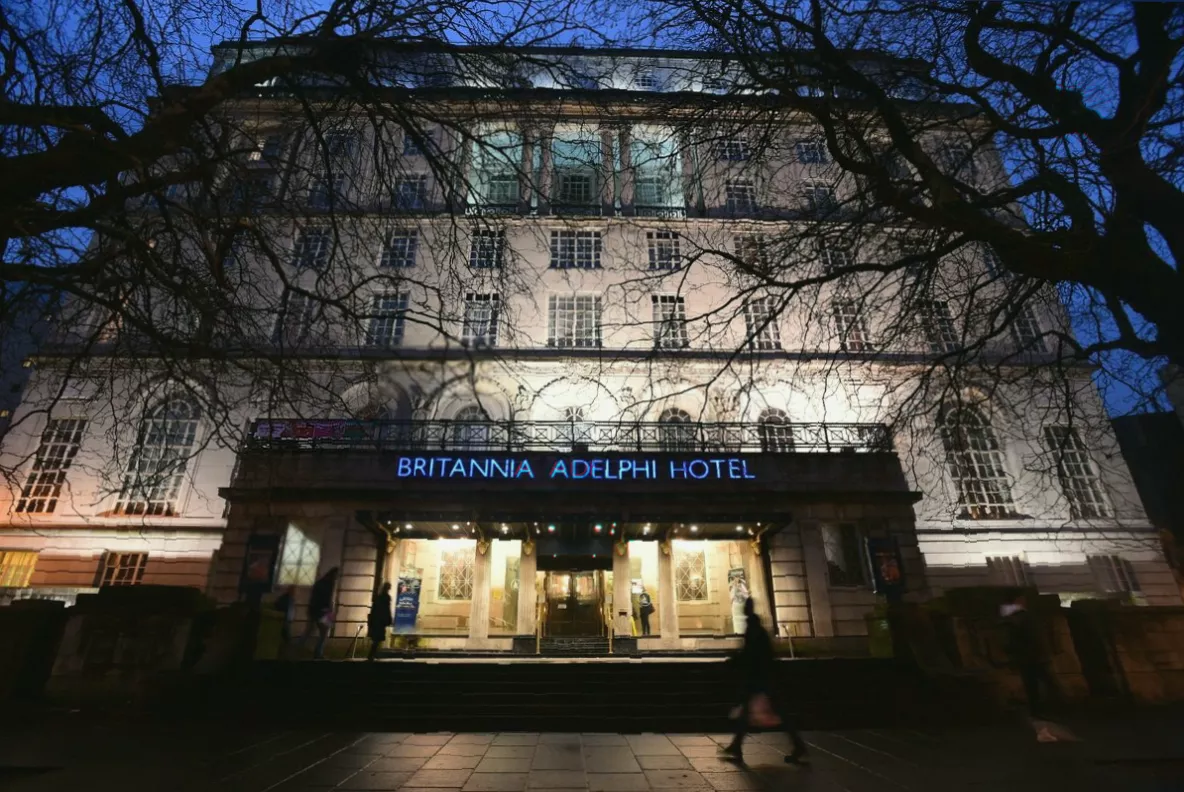
The Adelphi Hotel, a Grade II listed Edwardian building that once hosted Winston Churchill and Frank Sinatra, received a zero food hygiene rating in 2010 and was fined £265,000 in 2017 for health and safety breaches. In 2005 and 2006, the Grand Hotel in Scarborough and the Britannia Adelphi were investigated by the BBC over allegations of theft and hygiene concerns.
More recently, the company has become synonymous with the use of hotels to accommodate asylum seekers under contracts with the Home Office. Alex Langsam, whose parents were Jewish refugees from Vienna, has been dubbed the “asylum king” after Britannia became one of the largest providers of such accommodation. By June 2023, the group was housing around a tenth of all asylum seekers in the UK, with 17 hotels block-booked by the government. In the 2021-22 financial year, the company reported record profits of £33.4 million, partly attributed to these contracts.
The arrangement has drawn protests and political opposition. Demonstrations occurred at the Britannia International Hotel in Canary Wharf after reports suggested asylum seekers would be moved in; the hotel operator and the Home Office later clarified that no asylum seekers were ever accommodated there and that the rooms were part of a short-term contingency plan that was not activated. Nonetheless, protests took place, fuelled by speculation. The Labour Party has pledged to end the use of hotels for asylum seekers, and the Home Office has said it aims to do so by 2029. In April, the government announced it was closing 11 more asylum hotels, including the Britannia Hotel in Wolverhampton, which had seen protests the previous year.
Detailed plans for improvement and investment
Against this backdrop, the new board has laid out a series of concrete initiatives. The centrepiece is a multi-million pound property refurbishment programme that will be rolled out across the UK-wide portfolio. This forms part of a broader commitment to invest in new systems and technology for hotel teams, designed to improve operational efficiency and – the company hopes – the guest experience.
Britannia also intends to launch a new entertainment breaks programme at five hotels across the country, offering curated packages that go beyond the traditional bed-and-breakfast model. Alongside this, the brand identity of Britannia Hotels is to undergo a visual refresh. The company has said these measures will “spearhead a number of improvements across the portfolio”.
Beyond its core hotels, Britannia owns the Pontin’s chain of holiday camps, which it acquired in 2011. The Southport site has been closed since January 2024 after flooding from Storm Henk, and Britannia has submitted redevelopment plans for the site. Several other Pontin’s parks – including Prestatyn and Camber Sands – have also closed, leaving only two resorts operational as of early 2024.
Financially, the group has been under pressure. In the year ending March 2023, turnover rose by 31 per cent to £154.7 million. The following year, turnover increased further to £164 million, but pre-tax profits fell from £39.3 million to £31.3 million. The company described the turnover rise as a “credible performance” in a challenging trading environment. It employed an average of 2,452 staff during the most recent financial year.
Alex Langsam, still the founder and chief executive, has an estimated net worth of £401 million according to the 2025 Sunday Times Rich List. The group, however, continues to face legal scrutiny: health and safety charges have been brought against Britannia Hotels Ltd following the death of Chloe Haynes at the Adelphi Hotel in Liverpool in 2022.
The new board’s immediate priorities include the visual refresh of the brand identity and the introduction of the entertainment breaks programme at five hotels, with the multi-million pound refurbishment programme already under way. Paul Streets added: “Our priority is to invest in our hotels and our people and deliver consistent and great value experiences for our guests.”