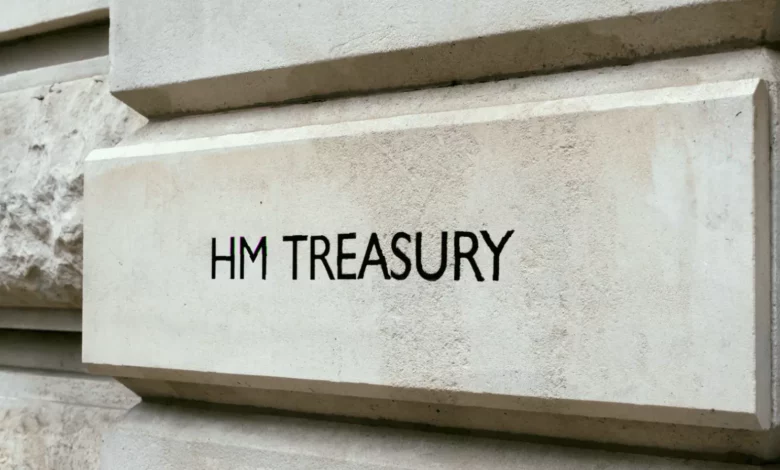
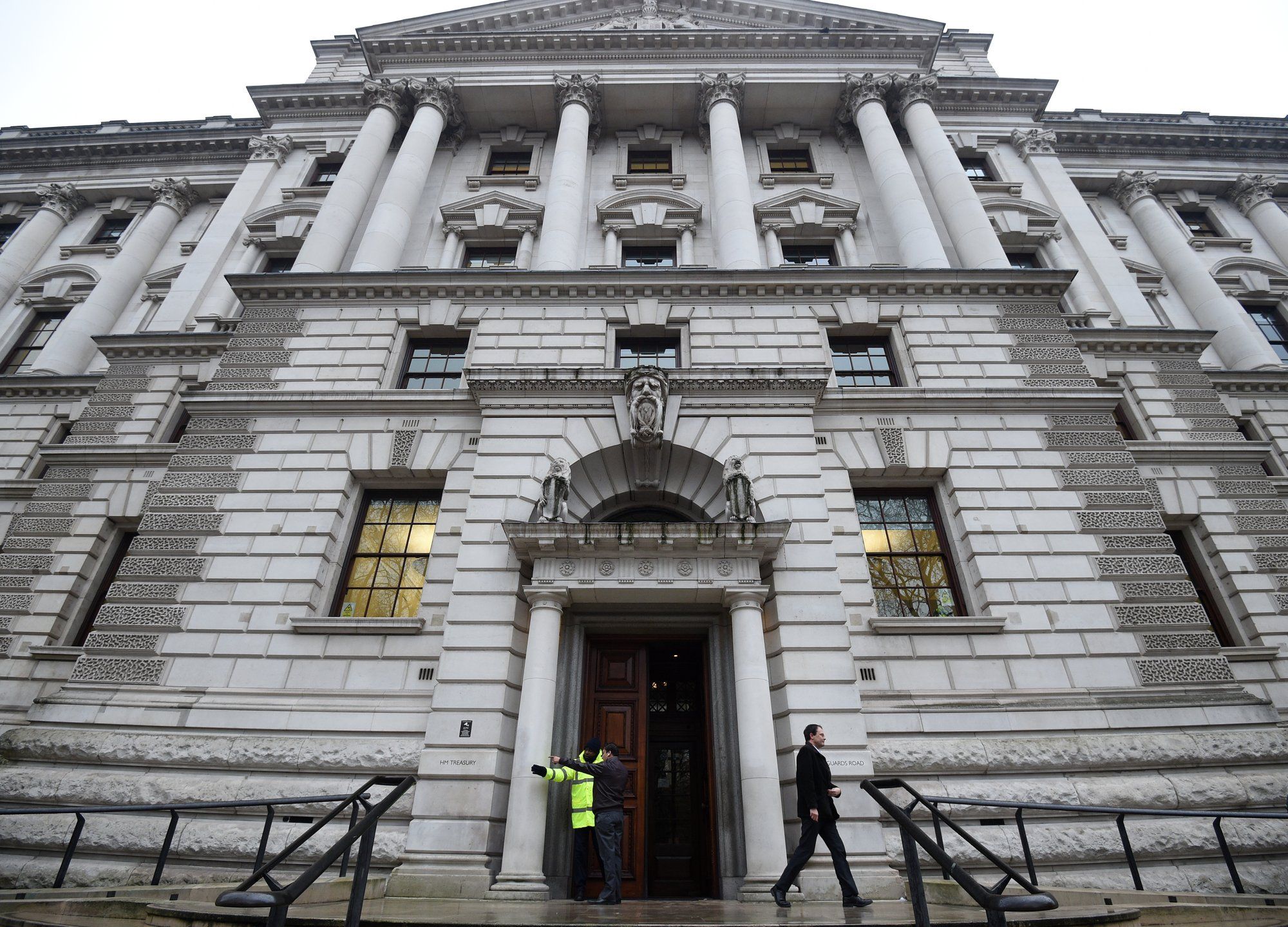
The Treasury scrapped maths tests for graduate job candidates after internal officials concluded the assessment had an adverse effect on applicants from ethnic minority backgrounds, newly released documents have revealed.
Documents obtained through a Freedom of Information request show the numerical reasoning test (NRT) was removed following a review of the department’s 2019 graduate recruitment campaign. Minutes from a Treasury board meeting noted that officials wanted to “increase diversity” and had identified the NRT as a stage at which proportionally fewer ethnic minority candidates progressed. The documents state the test was “removed due to evidence of the test having adverse impact on candidate diversity”. After the NRT was dropped in the 2020 recruitment cycle, the level of adverse impact on diversity reportedly fell.
Diversity at the centre of recruitment overhaul
The board minutes explicitly recorded the department’s interest in getting “more diverse ethnicities at assessment centre”. Officials described the numerical test as an extra “hurdle” for candidates. Even before the NRT was scrapped, the Treasury had made adjustments in 2019 to increase the number of candidates passing an earlier situational judgement test, aiming “to maximise the number of diverse candidates in our process”. In 2023, the department allowed more candidates through the initial sift stage after a rise in applications, noting that setting “extremely high benchmarks” typically reduces diversity, particularly at the sift stage.
Verbal reasoning test scrapped in 2024
Internal papers also show that the Treasury later removed the verbal reasoning test from its graduate assessment process. Documents suggested these tests had a much greater “adverse impact on ethnicity” than the numerical tests. Officials cited advice from the recruitment consultancy Rare, which specialises in ethnic diversity, that candidates from ethnic minority backgrounds tend to struggle more with verbal testing. In 2024, the verbal reasoning test was replaced by the Civil Service Work Strengths Test. This untimed online assessment ditches direct testing of verbal reasoning, instead asking candidates to respond to statements about their preferred ways of working and personal behaviour, or to rate the effectiveness of actions in given scenarios. Example statements include “I prefer not to have to concentrate on one thing for too long” and “It is important for me to exceed expectations when I am given a task to do”.
Reactions and wider criticism
An HM Treasury spokesman rejected suggestions that standards had been lowered, calling the idea “complete nonsense”. The spokesman added: “We are proud that we employ people from a wide range of backgrounds, while maintaining rigorous, merit-based recruitment to ensure that we have the very best people developing and delivering economic policy.” The changes have nevertheless drawn fierce criticism. Lord Agnew, chair of the Lords Numeracy for Life Committee and a former Treasury minister, said abandoning numeracy tests was “symptomatic of a country that has quietly given up on numeracy as a national priority”. Some commentators have accused the Treasury of “woke policy” and of perpetuating a “bigotry of low expectations” for ethnic minority candidates, potentially leading to assumptions of incompetence. MPs from across the political spectrum have voiced concern, with one Tory MP calling the revelations “truly through the looking glass stuff”, a Labour MP privately describing the policy as “insane and helps no one”, and Reform’s Robert Jenrick quipping, “Explains a lot.”

Separately, a former Treasury employee who later worked at the National Audit Office (NAO) told GB News that diversity and inclusion policies had triggered a “mass exodus” of staff from the watchdog. The whistleblower, who asked to remain anonymous, said the policies were introduced around 2020 and that the NAO “went into complete overdrive” with an “overreaction” that was “quite a bizarre thing to witness”. They claimed it was “insulting” to diversity hires, who they believed were “just there to bump up their quotas and make them look inclusive”. A spokesman for the NAO responded: “We do not recognise this account. The details of our Diversity and Inclusion strategy are available on our website.”