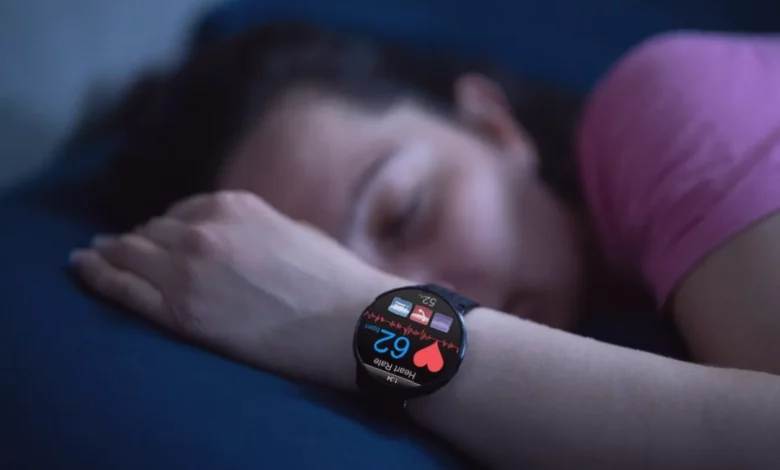
Fitness and calorie-tracking apps risk making users feel “shame” and “irritation”, according to new research that used artificial intelligence to analyse tens of thousands of posts on social media.
Psychological toll of fitness apps
Researchers from University College London (UCL) and Loughborough University found that users frequently reported feeling ashamed when they logged “unhealthy” foods, irritated by the notifications the apps sent, and disappointed when they failed to hit algorithm-generated targets. In some cases these negative emotions led to outright demotivation, with people abandoning their fitness goals altogether — the opposite of what the tools are designed to achieve.
One user wrote: “If I want to reach my goal weight I need to consume −700 (negative 700) calories a day.” The researchers said such examples showed how the apps’ algorithms “do not reflect the flexibility and messiness of real life, or account for individual circumstances and differences”.
The study, published in the British Journal of Health Psychology, identified 58,881 social media posts discussing the five most profitable fitness applications. After filtering for negative sentiment, 13,799 posts remained for analysis.
Other research has underscored the potential harm. A study from Flinders University found that young adults using diet and fitness apps are more likely to exhibit disordered eating symptoms, negative body image concerns, and compulsive exercise. While no causal link to eating disorders has been definitively established, the apps may amplify risk factors, particularly for vulnerable individuals. Separately, work from Nottingham Business School indicated that people with limited experience of physical activity are most vulnerable to emotional and psychological harm from wearable fitness trackers. These users can become overly dependent on device-set goals, leading to anxiety, guilt, and feelings of failure when targets are not met.
Features intended to motivate — such as social comparison and goal-setting — can inadvertently create anxiety, body dissatisfaction, and rumination. Some users describe a “toxic relationship” with their trackers, feeling internal conflict and questioning their own judgment against the device’s data, blurring the line between intrinsic and extrinsic motivation.
How AI uncovered the hidden emotional cost
To analyse the scale of user sentiment, the UCL and Loughborough team employed artificial intelligence using a technique called Machine-Assisted Topic Analysis (MATA). This allowed them to rapidly sift through immense volumes of user-generated content posted on X (formerly Twitter) related to the five most commercially successful fitness apps: MyFitnessPal, Strava, WW (formerly Weight Watchers), Workouts by Muscle Booster, and Fitness Coach & Diet: FitCoach. MyFitnessPal accounted for the largest share of posts examined.
“Few studies have looked at the potential detrimental effects of these apps,” said Dr Paulina Bondaronek, from the UCL Institute of Health Informatics and senior author of the paper. “Social media provides a huge amount of data that could help us understand these effects. By using AI, we were able to analyse this data more quickly.”
Dr Bondaronek noted that the AI revealed a clear pattern: “In these posts, we found a lot of blame and shame, with people feeling they were not doing as well as they should be. These emotional effects may end up harming people’s motivation and their health.” However, she added a caution: “It is important to note, too, that we only looked at negative posts, so we cannot assess the overall effect of these apps in terms of our wellbeing. The apps may have a negative side, but they likely also provide benefits to many people.”
Experts call for a kinder approach
The researchers are now urging app developers to move away from rigid calorie counting and exercise regimes towards a more holistic design that prioritises overall wellbeing and intrinsic motivation — “the inherent enjoyment or satisfaction in activities”.
“Instead of very narrow, rigid measures of success relating to amount of weight lost, health apps should prioritise overall wellbeing and focus on intrinsic motivation,” said Dr Bondaronek. “We need to learn to be kinder to ourselves. We are good at blaming and shaming because we think it will help us to do better but actually it has the opposite effect.”
Co-author Dr Lucy Porter, from the UCL Division of Psychology and Language Sciences, said: “Listening to users’ reports on social media has shown that fitness apps can sometimes leave users feeling demoralised and ready to give up – which is the exact opposite of what these tools are supposed to do. We know from previous research that feeling ashamed and miserable about yourself is not going to support healthy, long-term behaviour change – what we need to know now is how pervasive these effects on morale and emotional wellbeing are, and whether there is anything that can be done to adapt fitness apps so that they better meet people’s needs.”
There is a growing call for app developers to create more user-centred and psychologically informed designs that foster autonomy, competence, and relatedness — factors seen as more effective for sustainable behaviour change than rigid quantitative targets.