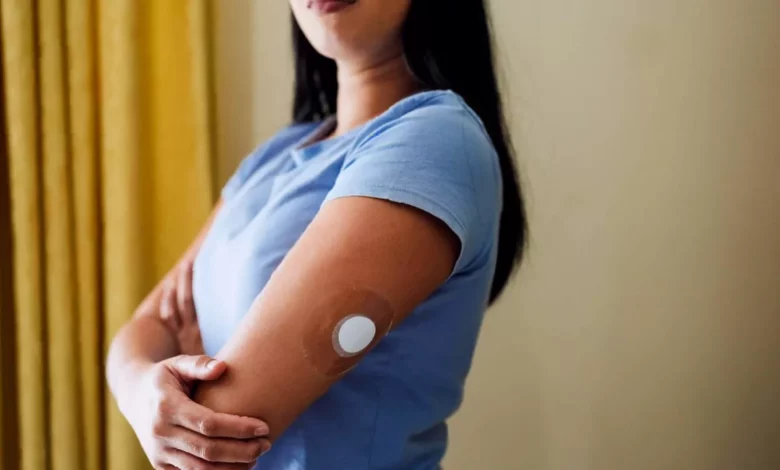
A woman who was diagnosed with gestational diabetes during pregnancy has spoken of her surprise at never receiving follow-up blood sugar checks, despite being at high risk of developing type 2 diabetes. “I’m surprised that I never had follow-up HbA1c checks, particularly as I’m considered high risk for type 2 diabetes, not only because of the gestational diabetes, but also because I have polyendocrine metabolic ovarian syndrome and family members with type 2 diabetes,” she said.
Her risk profile is far from unusual. Gestational diabetes — a form of high blood sugar that emerges during pregnancy — affects between 10 and 20 per cent of pregnant women in the UK, according to NHS England data. Although the condition typically resolves after birth, it is a powerful predictor of future type 2 diabetes. Within a year of having gestational diabetes, 11 per cent of women develop prediabetes, and 15 per cent go on to develop full type 2 diabetes within a decade.
The woman also has polyendocrine metabolic ovarian syndrome, formerly known as polycystic ovary syndrome (PCOS). The condition affects approximately 1 in 8 women worldwide — more than 170 million — and is characterised by hormonal fluctuations that affect weight, metabolism, mental health, skin and the reproductive system. Critically, PMOS is associated with a higher risk of pregnancy complications, including gestational diabetes itself, compounding the patient’s vulnerability. Up to 70 per cent of those with the syndrome remain undiagnosed, reflecting significant gaps in awareness and care.
Her family history adds a third layer of risk. Having a parent or sibling with type 2 diabetes can double an individual’s risk of developing the condition; having both parents with it raises the risk further. The increased likelihood is driven by a combination of genetic factors and shared family environments, including diet and physical activity levels.
Despite this combination of well-established risk factors, the patient’s experience of being left without follow-up testing reflects a systemic failure identified by NHS England’s first annual gestational diabetes audit, published last year. The audit found that only 57 per cent of women who had gestational diabetes received an annual HbA1c test after giving birth — a test that measures average blood sugar levels over the previous two to three months and is the standard tool for detecting progression to type 2 diabetes. The lack of consistent follow-up has been described by experts as a crucial opportunity for prevention being missed. In a survey funded by Diabetes UK, more than a third of women with gestational diabetes reported feeling “abandoned by healthcare services after giving birth.”
Rising diagnoses in younger women
The failure to monitor this high-risk group comes against a backdrop of sharply rising type 2 diabetes rates among younger women. Analysis by Diabetes UK shows that diagnoses in women under 40 increased by 47 per cent between 2017/18 and 2023/24. By comparison, the increase for women aged 40 to 79 was 22 per cent over the same period. A similar trend is visible in men, with diagnoses in those under 40 rising by 34 per cent.
Type 2 diabetes that develops at a younger age tends to be more aggressive, leading to more severe and acute complications. Developing the condition before the age of 40 is linked to a shorter life expectancy.
The NHS runs the “Healthier You” programme — the National Diabetes Prevention Programme — for people at high risk of type 2 diabetes. Women with a history of gestational diabetes are eligible and can self-refer in England, with the National Institute for Health and Care Excellence recommending referral. The nine-month lifestyle programme, which focuses on weight management, healthy eating and physical activity, has been shown to reduce the risk of developing type 2 diabetes by more than a third for those who complete it. Yet despite this, only 4.5 per cent of women with a gestational diabetes diagnosis have ever participated in the programme.
Across the UK, approximately 4.7 million people are living with a diabetes diagnosis, with an estimated 1.3 million more having undiagnosed type 2 diabetes. Type 2 diabetes accounts for about 90 per cent of all diabetes cases, and more than 6 million people in the UK are believed to have prediabetes. The woman’s story — of acknowledged high risk met with no follow-up testing — illustrates the kind of failure that continues to drive these numbers upward.