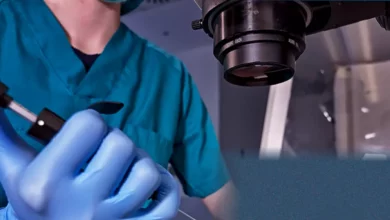
In an unmarked package delivered to her home, a small vial labeled “skinny jab” arrived with a simple instruction: “pop the cap off and away you go.” For Keeley, a 39-year-old aesthetics professional from south London, the £35-a-week product bought via a Facebook ad promised a quick solution to lose a stone after having a child, without the high cost of a legitimate prescription. What she received, sent in the post inside an insulin needle and wrapped in tissue paper, was a potentially lethal gamble.
“It was just a homemade thing, when I look back I think I had no idea where it actually came from. I could have died,” she told The Independent. After one week of injections in February 2023, she suffered headaches and stomach aches. Her sister, who also tried the jabs, described a stomach ache that felt like “acid in her stomach.” Keeley stopped, suspecting the second week’s syringe might have contained nothing but water.
A Black Market Boom on Social Media
Keeley’s experience is a stark warning in a burgeoning and dangerous trend: the sale of illegitimate weight loss injections, often advertised as “skinny jabs,” through social media platforms. These are not the regulated, prescription-only medications approved for specific health conditions, but counterfeit, unlicensed, and often untested substances sold directly to consumers without any medical oversight.
Jimmy Stone, a 34-year-old property manager from Windsor, was offered a similar shortcut. Approached by a company on TikTok about becoming a brand ambassador, he began taking what he believed was Retatrutide in late 2025. He had no medical consultation. The drug arrived in packaging labelled “Aluvi”—a name not associated with the real manufacturer—and while he reported it “burnt the fat,” he also suffered severe heartburn. His suspicion grew when the seller’s website repeatedly went down and rebranded. “You don’t know what’s in it, they could be filling it with anything,” he said.
His suspicion was well-founded. Retatrutide, made by pharmaceutical giant Eli Lilly, is an investigational drug currently in Phase 3 clinical trials. It has not been approved for use anywhere in the world. The Medicines and Healthcare products Regulatory Agency (MHRA) states unequivocally that any product sold in the UK claiming to contain Retatrutide outside of authorised clinical trials is “likely to be illegal and are potentially dangerous to your health.” In October 2025, the MHRA itself seized over £250,000 worth of counterfeit weight loss jab products, including pens for Retatrutide, from an illegal factory in Northampton.
The Severe and Unknown Dangers
The risks extend far beyond dubious branding. Experts warn that purchasing these drugs from unregulated social media sellers exposes users to severe, even life-threatening, harm. Dr. Kasim Usmani, a private GP based in Surrey, explained that with a trial drug like Retatrutide, the long-term risks—such as increased risk of cancer, pancreatitis, or certain gastrointestinal disorders—are completely unknown.
Furthermore, the products sold may be counterfeit, containing incorrect dosages, harmful substitute substances like insulin, or nothing of therapeutic value at all. They may be out of date, improperly stored, or produced in filthy conditions. “The person dispensing it isn’t always a trained professional, so they don’t know what they’re doing,” Dr. Usmani stressed. He advises that legitimate medication should come in professional packaging with clear instructions; a cloudy liquid or a lack of usage guidance are major red flags.
Even with properly prescribed, licensed weight loss drugs—known as GLP-1 agonists like Ozempic (semaglutide), Wegovy (semaglutide), and Mounjaro (tirzepatide)—there are known side effects. According to National Institute for Health and Care Excellence (NICE) guidance, these commonly include nausea, diarrhoea, and constipation. More serious, though less common, risks include pancreatitis and gall bladder disorders. Severe dehydration from gastrointestinal side effects can lead to hospitalisation and kidney damage.
However, the black market trade bypasses all safety screening. The MHRA warns that illegal products may be fake, contaminated, incorrectly dosed, or contain unlisted ingredients, leading to dangerous side effects. Cases of serious harm, including hospitalisations, coma, and hypoglycaemic shock from fake injections containing insulin, have been reported.
The Allure of Cheap Alternatives Versus Costly Reality
The black market’s appeal is largely financial. Keeley paid £35 a week for her illegitimate “skinny jab.” In contrast, a legitimate private prescription in the UK is significantly more expensive. Ozempic, which is licensed only for type 2 diabetes management in the UK but is often sought for weight loss, typically costs between £130 and £200 per month privately. Mounjaro, licensed for type 2 diabetes and being rolled out for weight management on the NHS, can cost privately between £179 and £350 per month. Wegovy, the semaglutide-based drug actually approved for weight loss, costs between £200 and £300 per month privately.
These legitimate drugs are prescription-only medicines (POM), meaning they can only be legally supplied by a pharmacist against a prescription from a qualified doctor or specialist. NICE guidelines stipulate they are for managing type 2 diabetes or, for weight management, for individuals with a BMI of 35 kg/m² or higher (or lower for certain ethnic groups) with associated health conditions. They are not “lifestyle” drugs for casual weight loss.
Platform Policies and a Persistent Trade
Social media platforms have policies ostensibly designed to curb this trade. A spokesperson for Meta said it removes content that attempts to buy, sell, trade, donate, or gift weight loss products, and its advertising policies prohibit ads that promote negative self-perception or show before-and-after transformations.
TikTok’s community guidelines similarly prohibit trading, marketing, or providing access to regulated goods like weight loss products. The platform told The Independent it has banned weight loss injections and cracks down on ads for weight loss supplements, restricting such ads to users aged 18 and older. Despite these policies, as the experiences of Keeley and Jimmy Stone show, the illicit marketplace persists, with sellers quick to rebrand and evade detection.
Eli Lilly, the maker of Mounjaro and the developmental drug Retatrutide, issued a stern warning: “No one can legally sell it for human use. Counterfeit and black market medicines are untested, unregulated and potentially dangerous — in some cases, deadly.”
The definitive advice from regulators and medical professionals is unambiguous. The MHRA states that sourcing medications from unregulated suppliers will not meet its strict safety and quality standards and could be dangerous. Dr. Usmani’s guidance is clear: only obtain weight loss drugs through legitimate, regulated sources such as a pharmacy or GP. For those tempted by a cheap, unverified “skinny jab” on social media, the price could ultimately be far higher than money.