Yoga is often promoted as an accessible form of exercise and wellbeing – no gym membership, specialist machinery or training partner required. Yet the reality for those trying to take part in the UK tells a different story. According to a 2020 survey of yoga students and teachers, participants were 91% white, 71% university-educated and 87% female. That demographic profile sits uneasily beside yoga’s reputation as open to all.
The diversity gap
Those least represented in yoga are often the same groups that experience poorer health outcomes and face avoidable, unfair differences in health – known as health inequalities. As yoga becomes increasingly integrated into NHS social prescribing schemes, where patients are connected with non-clinical, health-promoting activities delivered by community and voluntary services, the question of who can realistically afford, reach and feel welcome in a yoga class becomes urgent.
Yoga is a mind-body activity with roots in ancient south Asia. It combines breathing exercises (pranayama), philosophy, mindfulness, meditation and movement. Research suggests it can help manage chronic lower-back pain, stress, symptoms of anxiety or depression, and improve quality of life and reduce fatigue among some cancer survivors. Some studies have found its effects on depression and anxiety to be comparable to cognitive behavioural therapy. Physiologically, yoga can regulate the autonomic nervous system, shift the body towards a relaxed state, decrease cortisol, heart rate and blood pressure, and increase levels of GABA – a neurotransmitter linked to improved mood and reduced anxiety.
But the evidence base, while promising, has limitations. Many studies rely on small samples, lack randomisation or adequate control groups. Despite this, yoga is widely understood to support health – and it is precisely this promise that makes the diversity gap so concerning.
Barriers to access
Research by a yoga teacher and academic, published in the forthcoming book The Diversity Gap in UK Yoga: Outsider Perspectives, examined the experiences of people from backgrounds under-represented in yoga – including those on low incomes, disabled people, people with a high body-mass index and minority ethnic groups. The study identified three layers of barrier: practical, perceptual and cultural.
Practical barriers are the most straightforward. Classes can be difficult to attend because of where and when they are held, how easy they are to reach, and what they cost. In London, drop-in sessions typically range from £15 to £25, with specialist classes such as hot or aerial yoga costing £20 to £40. Unlimited monthly passes can reach around £99. Even community classes, which may cost £10 to £15, can be prohibitive for people on low incomes. Some studios offer concessionary rates, but these are not universal. Expectations around purchasing specific clothing or equipment add further financial pressure.
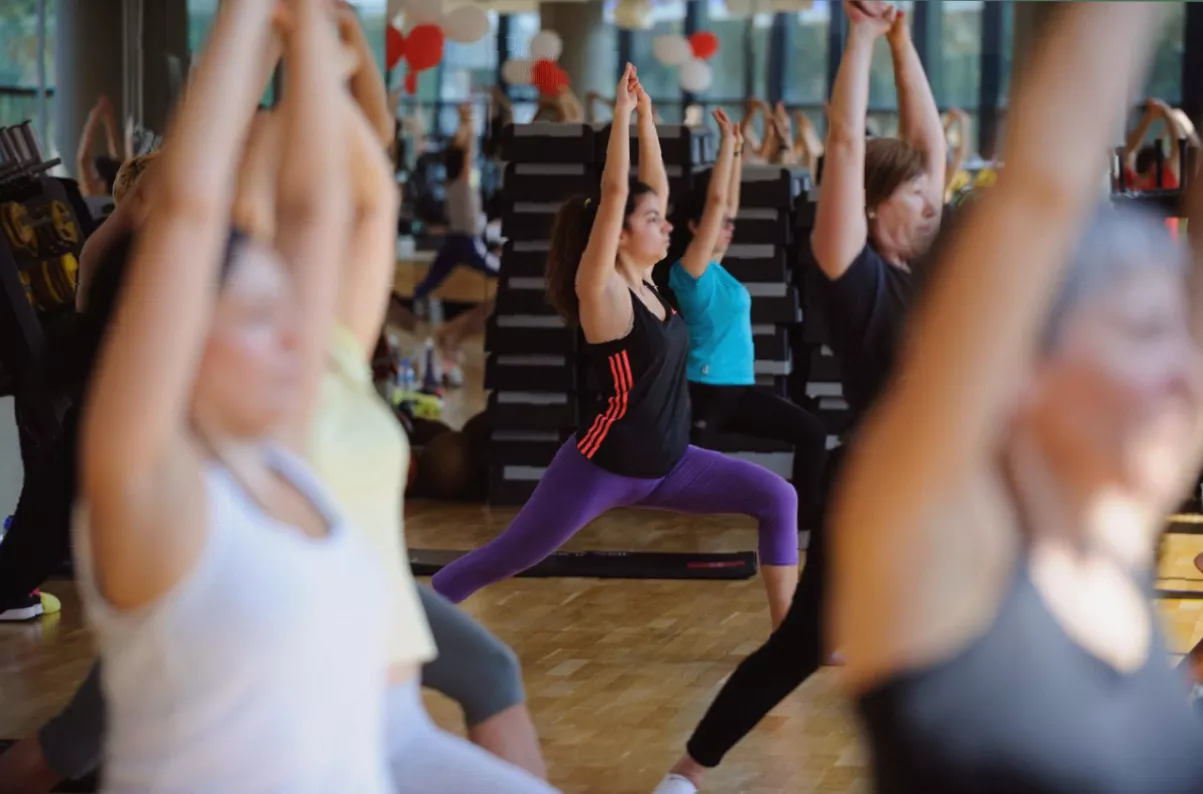
Perceptual barriers relate to how people imagine yoga before they try it. Some worry it will be too physically demanding, or not active enough. Others think it might be “uncool” or feel that yoga is only for people who are slim, flexible, athletic or already confident in exercise spaces. Fear of injury is another concern, especially when classes are not tailored to individual needs. Elements such as chanting can feel alienating when they are not clearly explained.
Cultural barriers run deeper and are often harder to identify. Within yoga spaces, there can be a tendency to overlook access barriers or assume they can be overcome through luck, confidence, persistence or the right attitude, rather than recognising that the barriers themselves need addressing. Lack of representation is a powerful factor: not seeing anyone who looks like yourself can be profoundly alienating. For some people from south Asian national or faith backgrounds, it is alienating when yoga’s south Asian origins are ignored, simplified or used in ways they feel are inappropriate. A strong belief that yoga is inherently welcoming can make it harder to raise concerns, because criticism is discouraged and access problems are less likely to be acknowledged.
The study found that people with marginalised identities experienced all three sets of barriers when they tried to get involved in yoga. These are the same groups that already face poorer health outcomes and greater barriers to care, making the lack of access a public health concern.
Towards inclusive practice
Despite these challenges, there are clear steps that can improve accessibility. The researcher who conducted the study also teaches subsidised yoga classes in northern city neighbourhoods with high levels of deprivation. Those classes are more diverse than many other yoga spaces, suggesting that cost and location are not the only factors – community-based, affordable provision makes a real difference.
Yoga teachers, studios and community providers can examine their practices to reduce cultural barriers. This includes offering clear explanations of unfamiliar elements such as chanting, ensuring representation, and acknowledging the origins of yoga rather than simplifying or appropriating them. Teacher training programmes can raise awareness of the assumptions that exclude people. Adapting class styles – for example, gentle hatha and restorative yoga for cancer survivors, rather than power yoga – can make participation safer and more welcoming. There are also plans to develop digital yoga interventions, such as online platforms and apps, which could improve access for people who cannot attend in person.
The opportunity is clear: to make yoga accessible to people who have too often been excluded, and to ensure that when yoga is used as part of public health and wellbeing services, it reaches those who could benefit most.