Fifty Days Off: Civil Servants Accused of Exploiting Flexi-Time
Civil servants are reportedly claiming up to 50 days of holiday a year by abusing the “flexi-time” system, according to whistleblowers and internal accounts. The practice, which allows employees to bank extra hours as time off in lieu, has allegedly been manipulated by staff who log non-existent overtime to inflate their leave entitlement far beyond standard annual allowances.
How the System Is Being Manipulated
Most civil servants are contracted to work 37.5 hours a week. Under flexible working arrangements, they can claim overtime and take it as time off in lieu – up to two days a month. When added to the standard 25 days’ annual leave and eight public holidays, those two flexi days per month push the total potential leave towards 50 days a year. The Civil Service promotes flexi-time as a tool for work-life balance, but whistleblowers say the reality often looks very different from the policy’s intention.
An ex-member of staff from the Pensions Regulator (TPR), an arm’s-length body of the Department for Work and Pensions, said: “Almost every member of staff below senior management level is entitled to two flexi days per month, and virtually everyone takes them.” They added that while the days are supposedly earned, the justification is flimsy. Staff, they claimed, routinely log travel time between home and the office as working hours, and some record personal activities such as the school run as part of their working day – often under the guise of mental wellbeing.
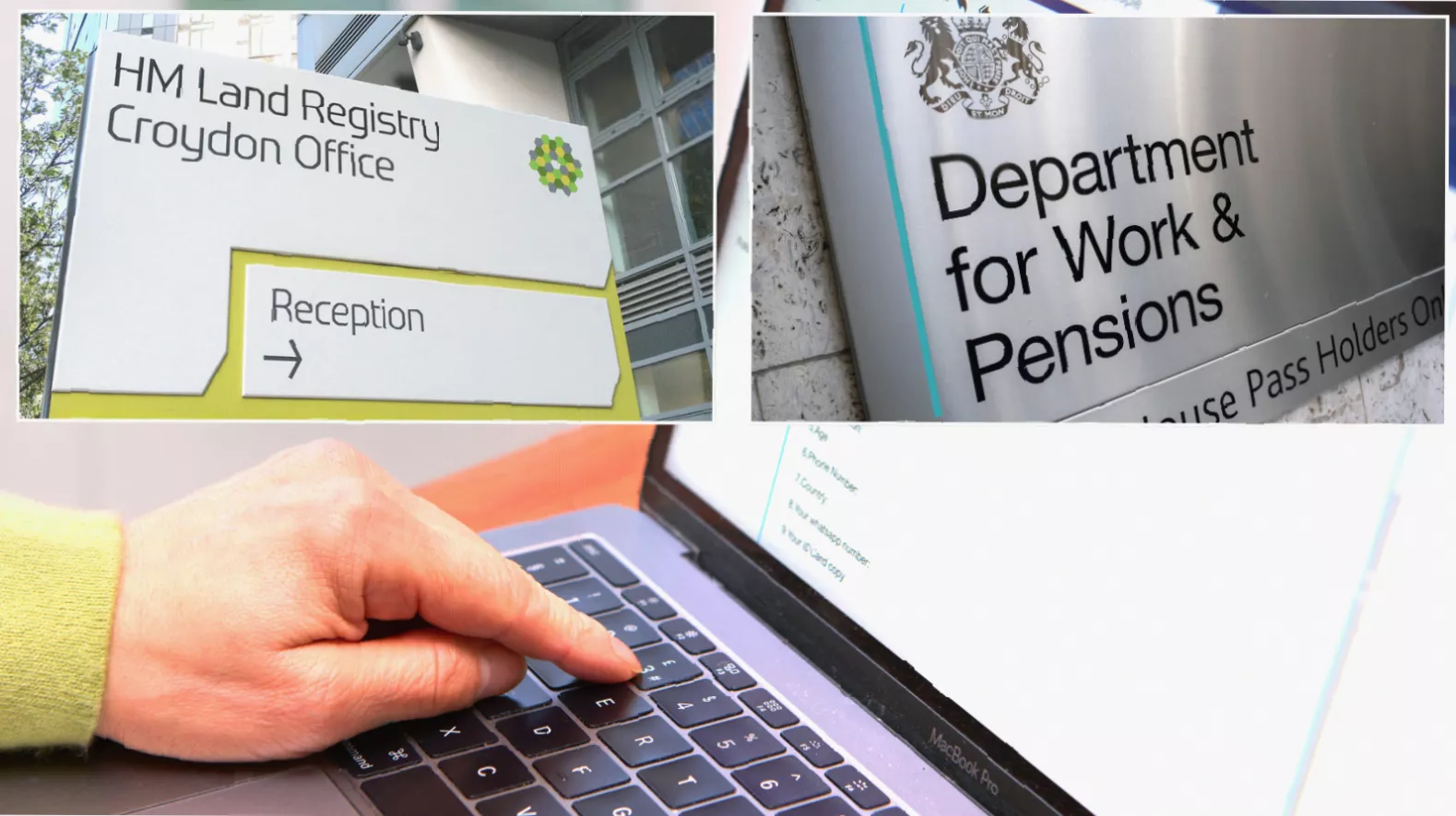
Other alleged manipulation tactics are more technical. Some employees have been accused of keeping their laptops open at home beyond their contracted hours, or clocking in commuting time that would not normally qualify. A common pattern described by the TPR source involves workers leaving their laptops idle from 4pm before returning at 5.30pm to log off – effectively adding 90 minutes to their flexi-time balance without doing any work. The practice has been dubbed “key-jamming” when it involves holding down a keyboard key with an object to simulate activity. Police officers have faced misconduct proceedings for similar behaviour, with one sergeant at Avon and Somerset Police dismissed after using a picture frame to keep laptop keys pressed during 25 shifts, costing the force over £1,000 in unearned wages. Across UK police forces, approximately 50 “keyboard jammers” have been sacked in the past three years.
Faked Office Attendance and “Drive-by Logins”
Beyond flexi-time manipulation, whistleblowers report that some civil servants have been faking office attendance for years at a time. Rules require staff to be in person for at least three days a week, but insiders describe a phenomenon known as “drive-by logins” – where employees briefly connect to office systems remotely before heading home, giving the impression they are in the building. Management, according to whistleblowers, has “no control” over remote staff who push the boundaries of civil service perks.
The Department for Work and Pensions has come under particular scrutiny, with whistleblowers calling out colleagues for taking advantage of flexible working benefits. The Pensions Regulator, while a separate body, drew a similar picture. The former employee said: “The justification, of course, is that these flexi days are supposedly earned, but the reality often looks very different.”
Official Responses and Political Reaction
Sir Jacob Rees-Mogg, the former Leader of the House of Commons and a GB News presenter, said the allegations would likely be “very dispiriting” for hardworking civil servants. He had planned to review the civil service benefit during his time in government, including auditing flexi-time arrangements, but did not manage to do so before Liz Truss’s resignation in 2022. Sir Jacob has called for greater oversight on how flexi-time is used across Whitehall, arguing that working arrangements need proper approval and monitoring to ensure they function fairly. He specifically cited HM Land Registry, which he said operated on a “completely honour-based system” with no checks in place to verify whether staff were actually working. He linked this to what he described as the organisation’s “appalling service provision for taxpayers” – some property document changes are currently taking as long as 18 months to process, though high volumes and digital system updates are also factors.
An HM Land Registry spokesman said the vast majority of staff did not claim time off in lieu for additional hours worked and that any abuse of flexible working arrangements was taken extremely seriously and would be acted upon. A TPR spokesman said: “TPR is committed to maintaining a high-performing, accountable and flexible workforce that delivers effectively for pension scheme members. Staff at TPR work standard contractual hours and must adhere to our office attendance policy. Any individual who does not meet expected standards is managed by their line manager and, where necessary, faces robust formal action.”