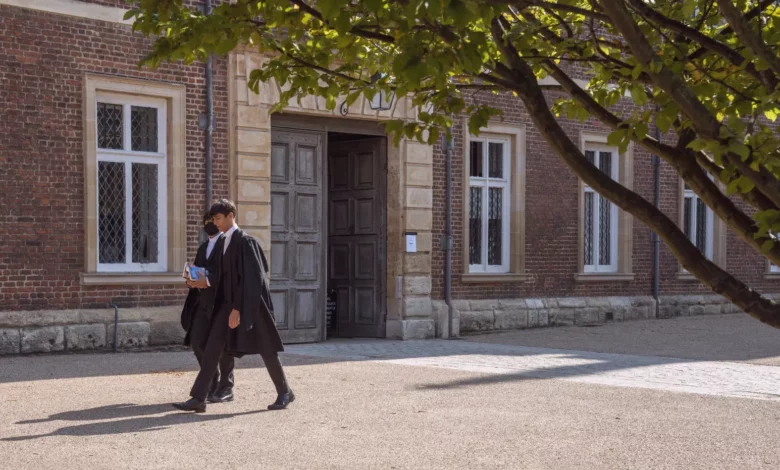
Overseas pupils now make up nearly 40% of British boarding school students, a dramatic shift from just over a fifth in 2005 that has left some of the country’s most historic institutions admitting they risk becoming “increasingly not British at all”.
The figures, drawn from the 2025 census of the Independent Schools Council (ISC), mark the culmination of a two-decade trend in which the proportion of international boarders has almost doubled. While the overall number of boarding students fell by roughly 2,600 places — a four per cent drop on the previous year — the share of foreign-born pupils continued to rise. Across all independent schools, including day pupils, the number of non-British students has soared by 70 per cent since 2014, from around seven per cent of enrolments to double that proportion today.
Mainland China remains the single largest source, with 10,959 pupils in British boarding schools last year. A further 7,000 came from Hong Kong, though the ISC census noted a decline in Hong Kong numbers for the third consecutive year, dropping by 11.7 per cent to 4,479. The total from mainland China has more than doubled since 2014, when the figure stood at 4,753. Other significant markets include Germany (up 5.0 per cent to 2,074 students), Spain (down 10.6 per cent to 1,218), and Russia (down 18.6 per cent to 791). The United States posted an eight per cent increase, rising from 4,759 to 5,117 students.
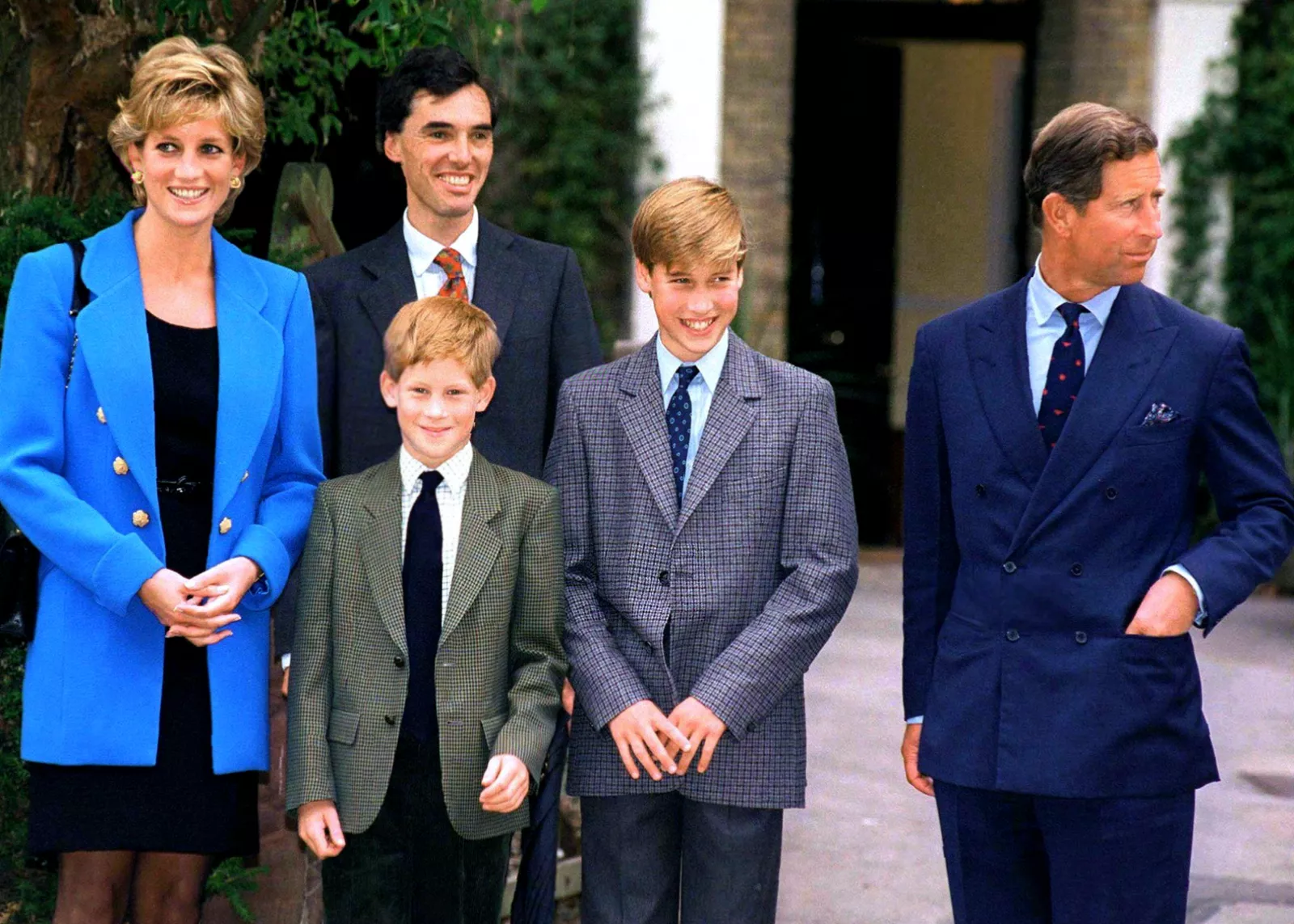
At the most famous schools, the international intake varies sharply. Eton College, whose alumni include 20 British prime ministers, members of the Royal Family and literary figures such as George Orwell and Ian Fleming, now has around 10 per cent of its students from abroad. Harrow School, by contrast, counts 28 per cent of its pupils as foreign nationals.
Why British families are being priced out
Sir Peter Lampl, who founded the Sutton Trust in 1997, described the country’s boarding schools as an “extraordinary national resource” that has educated many of Britain’s greatest achievers. But he warned that the changing demographics reflect a “major shift”. The principal driver, he said, is “the rising cost of a place at boarding school — without question”.
That cost has been pushed sharply higher by the government’s decision to add 20 per cent VAT to private school fees, a policy introduced in January 2025 as part of Labour’s manifesto commitments. Although many schools have absorbed some of the increase by cutting their own costs, the average fee has still risen by 10 to 15 per cent. For boarding schools, which already charge tens of thousands of pounds per year, the additional burden has proved decisive for many British families.
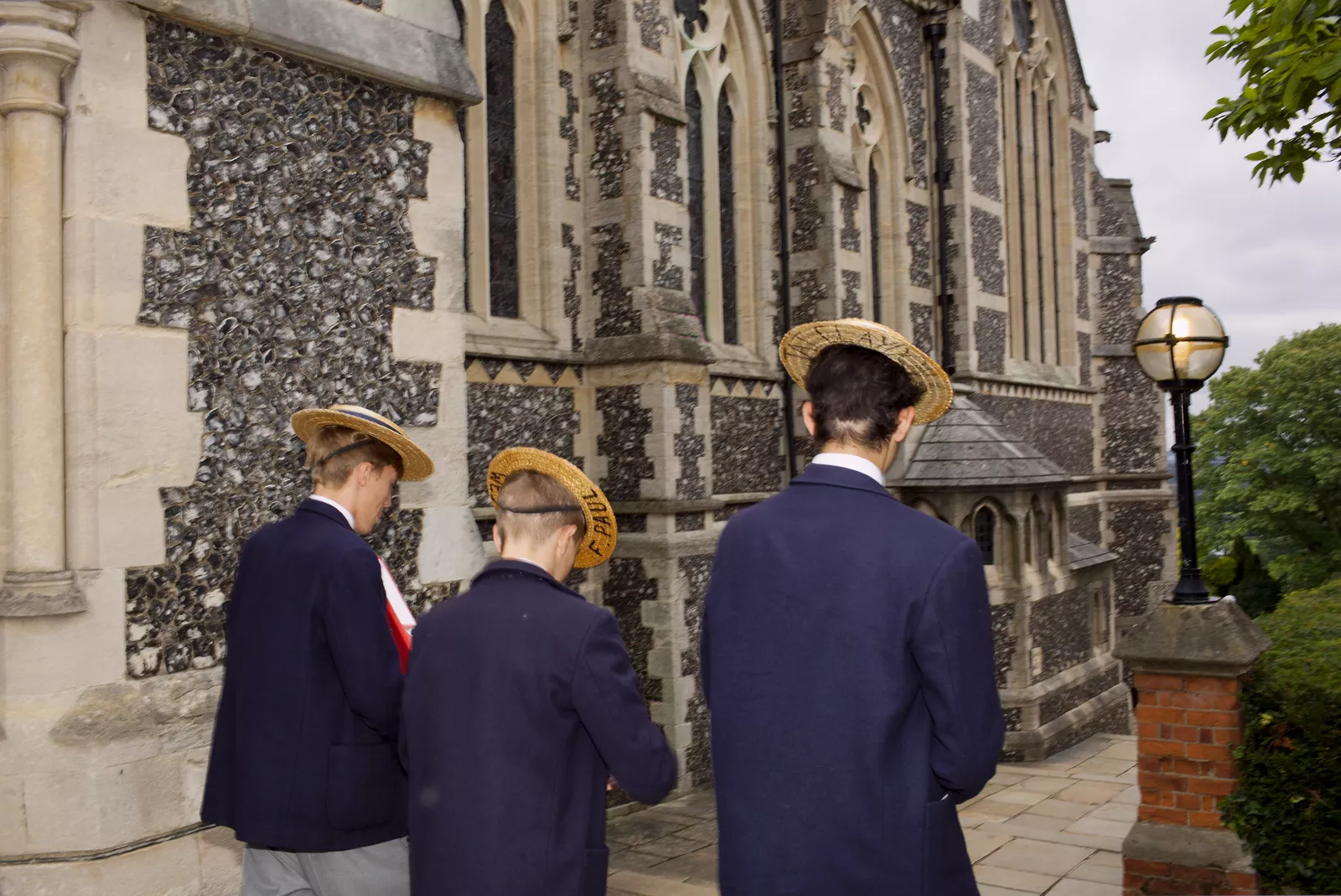
Sir Peter called the tax a “mean-spirited policy” that gives “our foreign competitors an extra edge”. High court challenges against the VAT measure have been dismissed, with judges noting that the policy would not have been possible under European Union law — highlighting a post-Brexit freedom for Parliament.
The financial strain is evident in the latest Wealth Index Report from wealth manager Saltus, which surveyed 2,000 high-net-worth individuals across the country. Among the 1,167 parents with children in independent schools, 65 per cent said they had been driven to take “significant action” as a direct consequence of the tax policy. A further 20 per cent who have not yet made changes plan to do so. More than 70 per cent of these families have made or are planning sacrifices such as cutting back on holidays to afford the higher fees. One in nine high-net-worth parents are considering moving their children to state schools. Overall, the Saltus survey found that 19 per cent of wealthy parents have already made substantial adjustments to their children’s education plans — whether by switching to cheaper private schools, moving to state schools, or homeschooling.
The impact on boarding schools has been immediate. The ISC data show that overall student numbers across independent schools fell by 2.0 per cent to 545,640 in 2025, and boarding places specifically dropped by around 2,600 — a decline of roughly four per cent year-on-year. A separate analysis of ISC figures indicates that the sector lost an estimated £29 million in fees in the year leading up to January 2025.
The broader factors driving international demand
While the VAT policy has accelerated the trend, it is not the only force reshaping the pupil body. Stricter visa requirements introduced after Brexit, along with increased application fees and the immigration health surcharge, have made the UK more expensive and more bureaucratic for foreign students. Home Office statistics show a 4.7 per cent decline in student visas issued for independent schools between 2023 and 2024. Experts suggest that the UK is increasingly perceived as unwelcoming to foreign students, yet the numbers from mainland China have continued to rise, suggesting that demand from that market remains resilient despite the headwinds.
International students are heavily concentrated in the sixth form: 54 per cent are in Years 12 and 13, with 44 per cent in Years 7 to 11. Almost all — 93 per cent — are boarders. Leading UK boarding schools are increasingly marketed as strategic pathways to top universities, not only Oxbridge but also US and other international institutions. Parents are motivated by rigorous academics, expert university guidance, international recognition, and strong pastoral and co-curricular programmes.
At the same time, many British boarding schools have established international campuses overseas, particularly in East Asia and the Middle East. This global expansion generates revenue that can be used to support bursaries for UK students, but it also reflects a shift in focus towards overseas markets.
What this means for British families
The consequence for British families is that access to boarding education — once a traditional route for many — is narrowing. As international pupils fill places and fees rise, parents are forced to look elsewhere. Some are turning to state boarding schools, which offer free tuition with boarding costs at a fraction of the price of independent schools. Many state boarding schools are selective grammar schools with strong academic records, often outperforming their private counterparts in examination results and university entry rates.
The shift has raised concerns about the “Britishness” of the institutions that have long been symbols of the nation’s educational prestige. Sir Peter Lampl captured the paradox when he noted that these schools are “increasingly not British at all, but international”. Yet the benefits of cultural exchange are also acknowledged: international students enrich the classroom, broaden perspectives, and foster global awareness among all pupils. They also build a lasting affection for British culture. For the schools themselves, the fees paid by overseas families have historically helped to cross-subsidise places for UK pupils — a model that may come under pressure if the decline in international numbers continues alongside the fall in domestic enrolment.
The ISC census for January 2025 recorded 25,526 international students with parents living overseas, a 2.6 per cent drop from 2024, though they still accounted for 4.7 per cent of all independent school students — the same ratio as the previous year. The overall boarding population, however, is now nearly 40 per cent foreign-born, a figure that underlines how deeply the character of British boarding education has changed in two decades.