Sir Keir Starmer is poised to axe or delay the Royal Navy’s next-generation Type 83 destroyers, clearing the way for a major expansion of drone technology under a long-overdue defence spending plan that has triggered bitter infighting between the Ministry of Defence and the Treasury.
The Type 83 class, intended to replace the Navy’s ageing and notoriously unreliable Type 45 destroyers between 2035 and 2038, is now the most high-profile casualty of the government’s protracted struggle to finalise its Defence Investment Plan (DIP). Senior military sources have indicated the warship project is likely to be scrapped or postponed to free up billions of pounds for unmanned systems, marking a radical shift in the UK’s military posture.
The vessels were envisioned as the centrepiece of the Royal Navy’s Future Air Dominance System (FADS), designed to provide advanced integrated air and missile defence. Early concept studies, which officially began in March 2025, described a minimally crewed warship of between 145 and 165 metres in length, displacing 6,000 to 10,000 tonnes. Defence planners had suggested a class of at least six vessels, potentially rising to eight, equipped with the latest ballistic-missile defences, hypersonic missiles and advanced artificial intelligence. However, an outline business case due this month is now being assessed against the Royal Navy’s own “Hybrid Navy Strategy,” which advocates blending traditional manned warships with fleets of unmanned autonomous drones. Three competing design philosophies — an arsenal ship, a cruiser concept, and a more cost-effective air warfare variant based on the Type 26 frigate — are all in play, but the project’s future hangs in the balance.
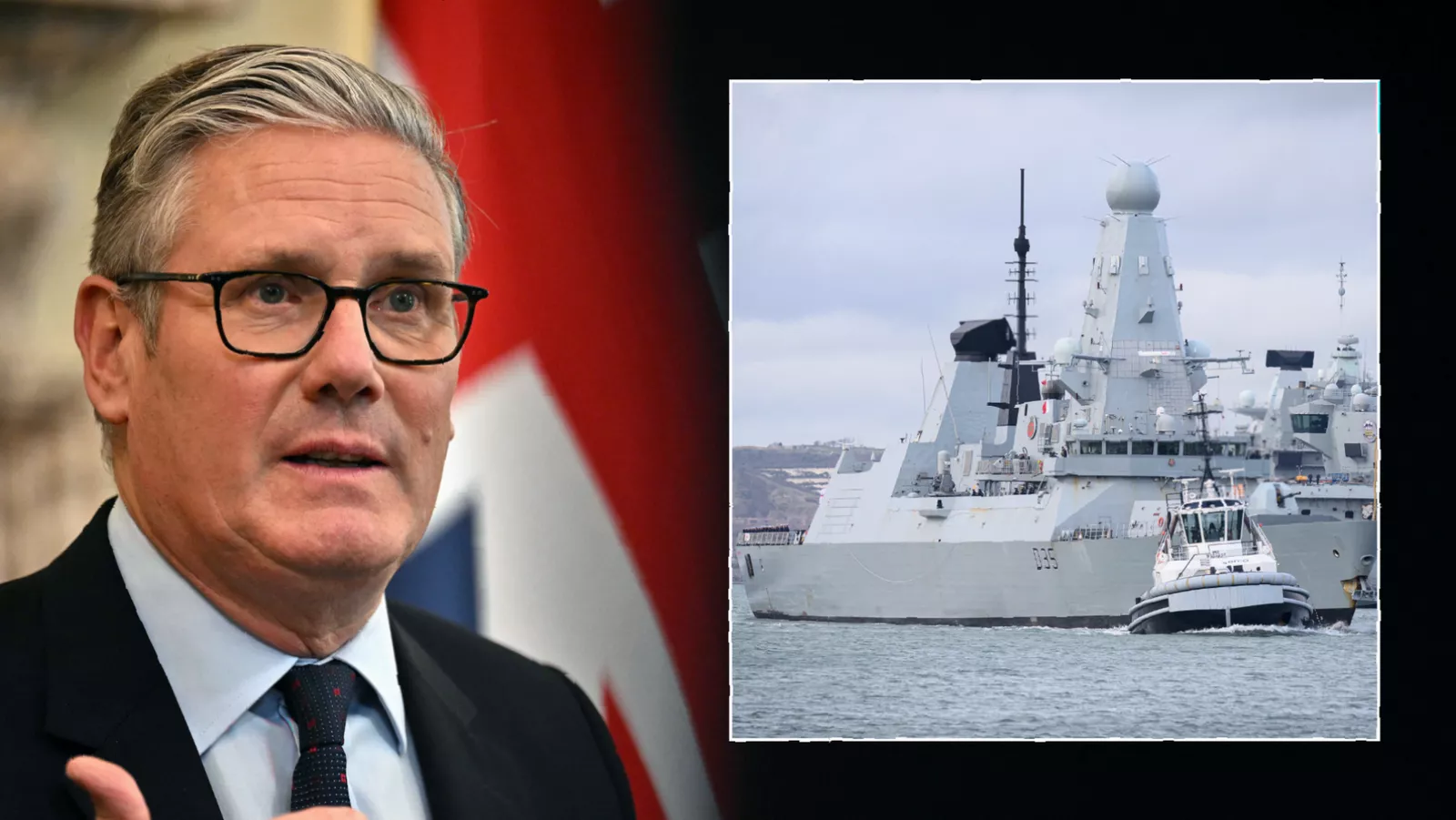
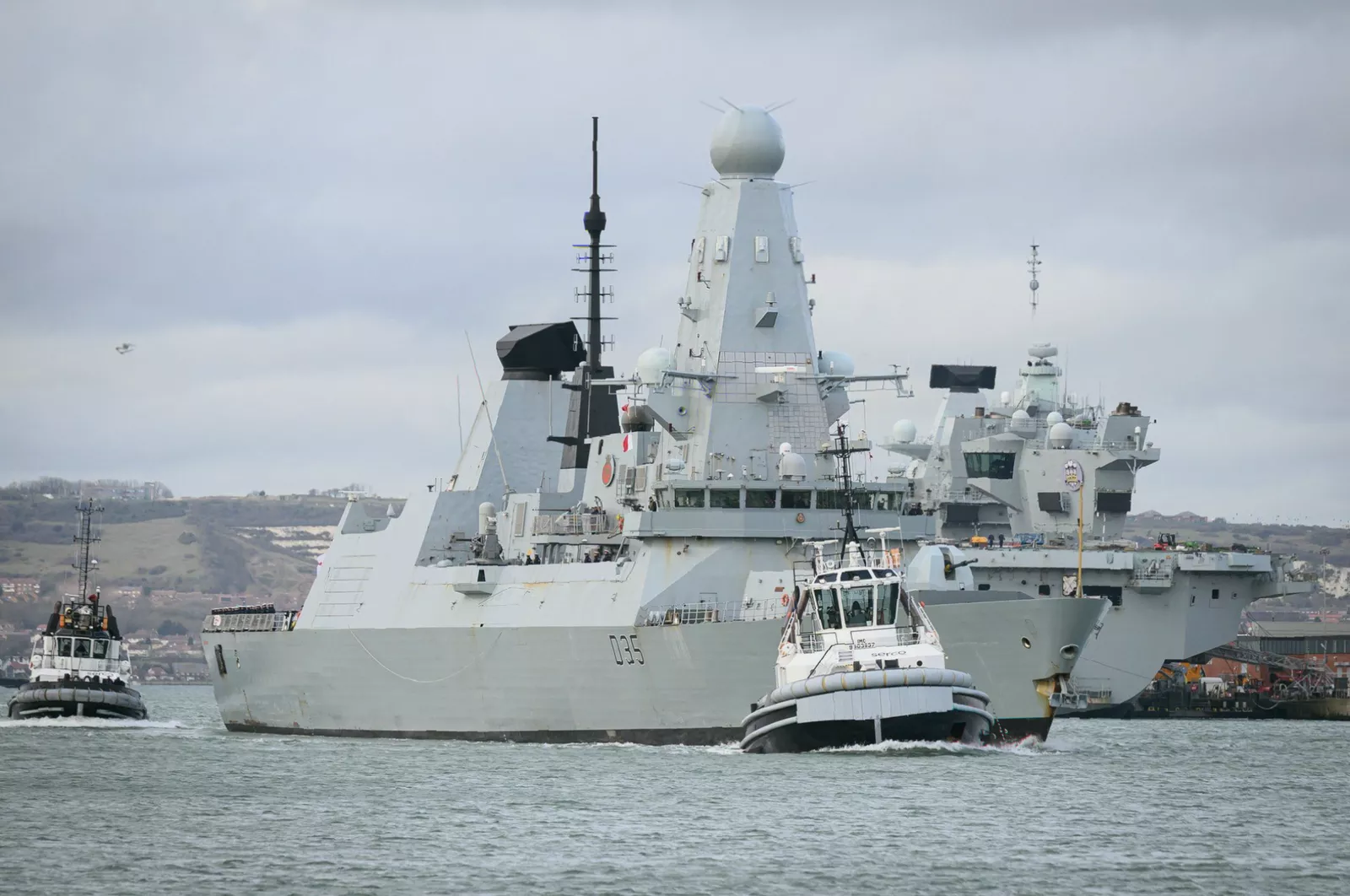
The case for retiring the planned destroyers is reinforced by the deep-seated technical failures of the existing Type 45 fleet. The current destroyers have been plagued by a catastrophic flaw in their Rolls-Royce WR-21 gas turbines, whose intercooler units degrade severely in hot climates, often causing total power loss and leaving ships dead in the water. Availability rates have fallen as low as 17 per cent. HMS Daring, the first of the class, spent more than eight years — over 3,000 days — undergoing an extended refit to fix the propulsion issues, finally returning to service only last year. A £160 million Power Improvement Project (PIP) is now retrofitting all six vessels with new generators, a process requiring invasive hull modifications. HMS Diamond was withdrawn from anti-Houthi operations near Yemen in February 2024 due to “technical problems,” and HMS Dragon suffered a series of embarrassing delays when deployed to defend RAF Akrotiri in Cyprus. At one point, the entire fleet was reduced to a single operational ship. Beyond their reliability issues, the Type 45 destroyers lack ballistic missile defence capabilities and possess limited offensive firepower, with their vertical launch system cells dedicated solely to air defence missiles.
The fate of the Type 83 is ultimately a symptom of a far deeper and more acrimonious dispute over the scale and direction of UK defence spending. The Defence Investment Plan, initially expected in autumn 2025, has been delayed repeatedly due to what sources describe as some of the worst cabinet infighting since Labour took power. Defence Secretary John Healey has told colleagues the MoD requires around £18 billion in additional funding to meet the threat level identified in last year’s Strategic Defence Review. However, Chancellor Rachel Reeves reportedly resisted approving anything above £12 billion, arguing the money was unaffordable. Prime Minister Sir Keir Starmer was forced to intervene directly, eventually pressuring the Chancellor to agree to a compromise package worth an estimated £15 billion.
Even that figure is significantly below what defence chiefs say is needed. Reports suggest a potential funding gap of around £28 billion over the next four years if the government is to truly modernise the armed forces and meet its commitments. To bridge the gap, the Treasury is compelling other departments to make savings, primarily through a 1 per cent cut to their capital budgets. The Department for Transport and the Department for Energy have both been told to find substantial savings from major infrastructure projects to help fund the DIP. The government has framed the plan as a “generational increase” designed to reverse what it describes as the hollowing out of the armed forces, but the numbers involved have provoked fury within the military establishment and across Westminster.
The delays have drawn sharp criticism from the Public Accounts Committee, which warned that the failure to publish a credible long-term plan is undermining the UK’s credibility with allies, driving up procurement costs as defence contractors raise prices, and hindering modernisation. The committee noted the MoD still lacks a clear plan for transforming the Armed Forces into a warfighting-ready state within the available budget. The government is now racing to publish the DIP before a NATO summit in the Turkish capital Ankara on July 7.
Conservative shadow defence secretary Mark Francois accused Labour of “failing the defences of this country, literally both above and below the waves.” He pointed to the government’s £3.5 billion in-year cuts to MoD operational and revenue spending as evidence of neglect. Lord Robertson, the former NATO Secretary General who authored the government’s own Strategic Defence Review, has delivered stark public warnings that Britain’s security is “in peril.” In a scathing assessment, he admitted the UK “cannot defend Britain with an ever-expanding welfare budget” and criticised what he called “non-military experts in the Treasury” for “vandalism” against national security. An MoD spokesman said the DIP “will deliver the best equipment and technology into the hands of our frontline forces at speed” and confirmed the Prime Minister is determined to publish it before the NATO summit.

If the Type 83 is sacrificed, the most obvious beneficiary is the rapid expansion of drone technology, which the MoD has identified as a top priority. Naval chiefs are actively championing the hybrid navy concept, integrating traditional warships with large numbers of unmanned autonomous systems. The potential of such technology was vividly demonstrated by the rescue of two US Army helicopter pilots in Iran by a remotely-operated sea drone, believed to be the first rescue conducted by a surface drone. The shift towards unmanned systems is also reshaping the RAF’s future plans. The next-generation Tempest fighter jet, set to replace the Eurofighter Typhoon from 2035, is being developed as part of the Future Combat Air System (FCAS) programme by a consortium including BAE Systems, Rolls-Royce, Leonardo and MBDA. Tempest is designed to operate alongside “loyal wingman” drones and will be equipped with hypersonic missiles, directed energy weapons and advanced AI. Alongside this, the UK announced its intention to purchase 12 F-35A dual-capable fighter jets at the NATO summit in The Hague in June 2025, a decision that allows Britain to rejoin the alliance’s nuclear-sharing mission for the first time since the Cold War. The jets will be based at RAF Marham as part of a long-term commitment to acquire 138 F-35 aircraft overall.
Sir Geoffrey Clifton-Brown, chairman of the Public Accounts Committee, said the persistent delays in publishing a credible long-term spending plan were unacceptable. “Excuses to the effect of ‘taking the time to get the details right’ simply do not cut it,” he said.