The Green Party has strongly defended its use of foreign languages in election broadcasts, arguing that the practice is a deliberate strategy to engage with the UK’s diverse communities and foster a more inclusive society. The party’s stance comes amid mounting criticism from political opponents and even some of its own members, who have questioned whether campaigning in languages other than English undermines integration.
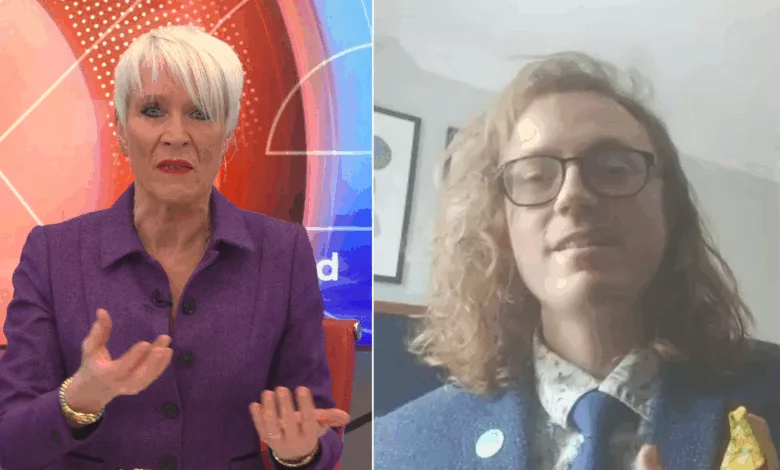
Speaking to GB News, Green campaigner Mr Wakelyn-Green insisted that the party seeks to “market to different people in our very diverse communities” and that using voters’ primary languages is “part of making a more inclusive society”. He noted that this approach has been used before, pointing out that election broadcasts have long been tailored to the various linguistic communities present in the UK. The party’s national elections coordinator, Faaiz Hasan, framed the strategy as part of a broader political vision “not based on blaming migrants, is not based on blaming people of colour or others, but identifies that the real issue is not race, it’s class, and the concentration of wealth and power in a very tiny group of people”.
The defence follows a specific incident that reignited the debate. In a recent GB News interview, Green member and former candidate John Grant was shown a campaign video featuring a volunteer speaking Bangla (Bengali) while holding a Green Party banner, alongside Newham mayoral candidate Areeq Chowdhury. Grant said he felt “a little uncomfortable” and described the use of languages other than English as “a poor way of communicating in the UK, where English is our language”.
The controversy is not new. In February 2026, the Green Party released by-election materials in Urdu and Bangla for the Gorton and Denton by-election, prompting accusations of “blatant sectarianism” from Reform UK candidate Matt Goodwin and condemnation from Labour MP Sarah Pochin. The Urdu leaflet featured Green candidate Hannah Spencer speaking a few words in Urdu before a native speaker delivered the rest of the message. It included visuals linking Prime Minister Keir Starmer to Indian Prime Minister Narendra Modi and Deputy Prime Minister David Lammy to Israeli Prime Minister Benjamin Netanyahu, set against images of Gaza ruins, with the message “Labour must be punished for Gaza”. Reform UK candidate Matt Goodwin was linked to Donald Trump and Steve Bannon. A Labour peer likened the Greens to Reform UK, accusing both of employing “easy, populist slogans” while lacking “real answers”.
Hannah Spencer, the Green candidate for Gorton and Denton, defended the materials as “inclusive”, stating that “thousands” of her potential constituents speak languages other than English. She expressed pride in a campaign that was “positive, inclusive and focused on the issues that matter most to local people: bringing down rents and bills, proper investment in public services, and rebuilding our NHS.”
There are currently no legal restrictions against using foreign languages in UK election communications, though the issue has become a political flashpoint. Conservative politicians have tabled an amendment to the Representation of the People Bill that would make it an offence to distribute election material that is “not native to the British islands”. Conservative leader Kemi Badenoch has argued that campaigning in foreign languages is a “deliberate ploy to exclude those who do not speak that language” and is “not in the service of integration”. Ofcom, the broadcast regulator, does not pre-approve or ban party election broadcasts, though it enforces due impartiality rules during election periods. The Green Party has been allocated free broadcast slots as part of the UK’s system of party political broadcasts, which replace paid political advertising on television and radio.
The Gorton and Denton by-election itself saw the Green Party win with a significant majority, and the party is predicted to make substantial gains in the upcoming local elections on May 7, 2026, particularly in London. However, the use of foreign-language campaigning is occurring against a backdrop of wider internal challenges. Multiple Green candidates have faced allegations of antisemitism, including two London candidates arrested on suspicion of “stirring up racial hatred online” and another, Tina Ion, who had party support withdrawn after suggesting “every single Zionist” should be killed. Leader Zack Polanski has been criticised for his anti‑Israel stance and for liking a post suggesting Keir Starmer is on a “Zionist payroll”. Polanski has admitted that vetting candidates has been a “real challenge”, and there have been selection rows and suspensions over extremist posts.
Despite these pressures, the Green Party continues to defend its inclusive messaging. Mr Wakelyn-Green, while standing by the use of foreign languages, conceded that he “would like people to be able to speak English” and described himself as “a big fan of facilitating and funding English-speaking lessons”.
Within the party, however, the approach has drawn dissent. John Grant, the Green member who voiced his discomfort on GB News, said the use of foreign languages left him “a little uncomfortable” — though he also acknowledged the importance of facilitating English language lessons.