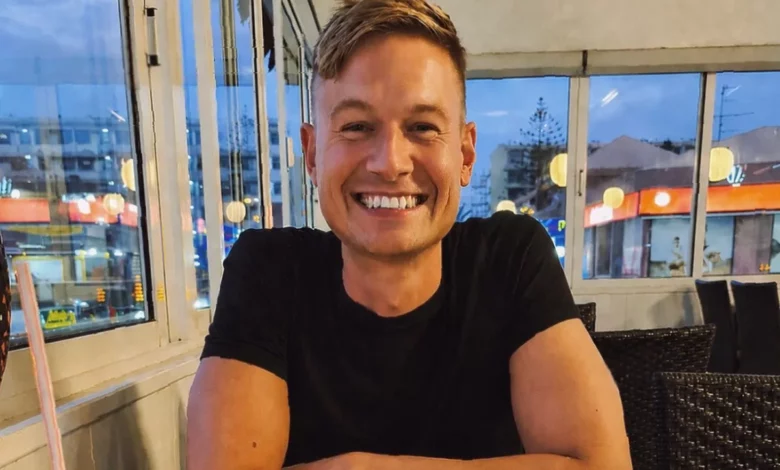
A Briton has died after participating in a frog poison healing ritual known as “kambo”, prompting urgent warnings from health authorities about the dangers of the unregulated practice. Kristian Trend, a 40-year-old wellness coach and cancer survivor from Leicester, collapsed in a London flat and died following a ceremony that involved applying the dried skin secretions of the giant leaf frog to small burns on his skin.
The Ritual and Its Origins
Kambo originated among indigenous tribes in the Amazon rainforest, where it has been used traditionally for hunting, to increase stamina, and for spiritual cleansing. The substance is harvested from the defensive secretions of the Amazonian giant monkey tree frog (Phyllomedusa bicolor). In recent decades the practice has spread to Western wellness circles, where it is promoted as a potent “detox” or “cleansing” ritual. The ceremony, often conducted in a group setting known as a kambo circle, involves burning or scraping the participant’s skin and rubbing the dried frog secretion into the wound. Participants commonly drink large amounts of water beforehand, a practice that adds to the medical risks.
Proponents claim kambo can treat a wide range of conditions, including addiction, anxiety, cancer, chronic pain, depression, and infertility. However, medical professionals state there is no scientific evidence to support these claims, and any perceived benefits are likely due to the placebo effect. The frog’s secretions contain a complex mix of bioactive peptides, including those that stimulate the digestive tract and affect the cardiovascular system. Some peptides have opioid-like effects, influencing breathing and the central nervous system.
Details of the Death
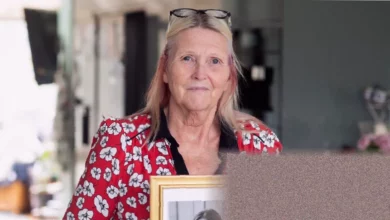
Mr Trend, who had previously survived Burkitt lymphoma – a rare and aggressive cancer – after a prolonged hospital stay, told his mother he was going to “cleanse himself”. His mother, Angie, said: “He was very spiritual. He took a lot of vitamins.” She added: “He recovered from Burkitt lymphoma cancer, which he nearly died from. That’s the worst part. He was in hospital for four months and got through that and for this to happen is just awful. It was his birthday the week after and I’d bought all these presents.” Mr Trend died at a building in Queen’s Road, Leicester, on 11 April. A 41-year-old man was arrested on suspicion of administering poison in connection with his death but was later released on bail. The family has set up a fundraiser for the Loros hospice charity in Leicestershire in Mr Trend’s memory.
Health Risks and Fatalities
The frog poison has been linked to a range of severe health issues, including seizures, liver failure, and heart attacks. Side effects commonly reported include intense nausea, vomiting, diarrhoea, abdominal pain, dizziness, heart palpitations, and swelling of the lips or face. In extreme cases, the practice can lead to oesophageal rupture, brain swelling, coma, and death. A significant additional danger arises from the large volumes of water consumed before the ceremony. The combination of vomiting and fluid shifts can cause hyponatremia – dangerously low sodium levels – also known as water intoxication.
Globally, there have been multiple reported deaths associated with kambo ceremonies. In Australia, the deaths of Natasha Lechner and Jarrad Antonovich led to coronial inquests and the classification of kambo as a Schedule 10 poison by the Therapeutic Goods Administration. In Italy, a man died in 2018 from cardiac arrhythmia after participating in a ceremony. In Chile, a young person died in 2019 from severe cerebral edema.
Regulatory Gaps and Expert Warnings
Kambo can be legally bought in the UK, but it is not a licensed medicine, and the Medicines and Healthcare Regulatory Agency (MHRA) does not regulate its use. Its legal status under the Psychoactive Substances Act 2016 is a grey area due to the presence of opioid peptides, though some argue it does not fit the definition of a psychoactive substance. The British Complementary Medicine Association (BCMA) has urged people to use only qualified, registered, and insured practitioners for any form of alternative treatment. “You would not go to a doctor without checking they were registered, properly qualified and insured; the same follows for a complementary therapist,” the BCMA said. “These questions are very reasonable and should not cause any problems for the therapist to answer and produce supporting information for. If any of these questions cannot be answered to your satisfaction, consider moving on to another therapist.”
The British Pharmacological Society (BPS) also issued a warning, advising people to speak to licensed healthcare professionals before using any medicines. “Many licensed medicines come from natural sources, but they are carefully tested for safety, quality and effectiveness before being approved for use. Safe prescribing depends on this evidence, proper clinical oversight, and an understanding of possible risks, side effects and interactions with other medicines,” the BPS said. “This is especially important where a product or treatment has not been assessed or approved by the MHRA, the UK medicines regulator, as unlicensed treatments may be harmful, interfere with prescribed medicines, or delay people getting the care they need.”
Indigenous experts have warned against the use of kambo by non-Indigenous practitioners, citing a potential disconnect from traditional methods and risks associated with improper application or dosage. The Westernized practice, particularly applying kambo to the chest, may increase cardiac risks. The widespread availability of kambo online has contributed to an uncontrolled increase in fatalities. Celebrities, including Orlando Bloom, have reportedly tried kambo, with Bloom describing it as “brutal” but leaving him with a “feeling of being clearer and wide open.”
Mr Trend’s mother, Angie, said: “I do hope this is banned and nobody has to go through this devastating pain, but it can’t and won’t be me who campaigns for it. I have no fight left. We are obviously heartbroken and realise going forward this is not going away anytime soon.”