Britain faces “exponential growth” in the number of foreign nationals committing serious sexual offences, according to a criminal defence solicitor who has warned the Prime Minister that the country is becoming the “sex crime capital of the world”.
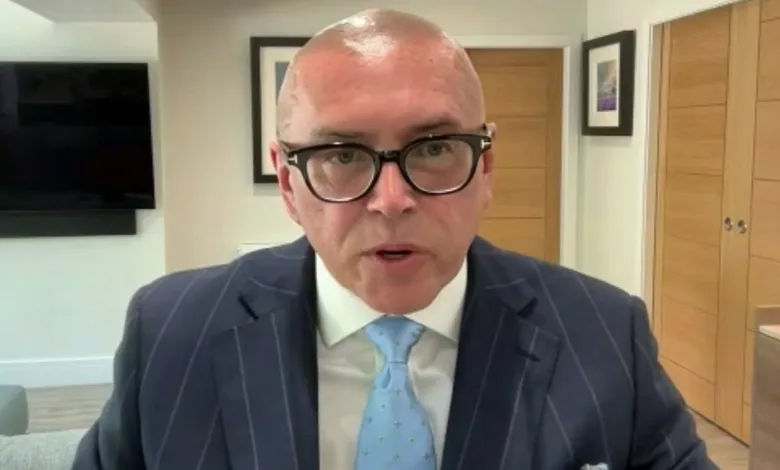
Marcus Johnstone, a solicitor based in Warrington who has represented grooming gang members and specialises in sexual allegations, told GB News that he is contacted “almost every day” by people accused of the most serious sexual offences. “It is increasing day on day, week on week,” he said. “It’s an exponential growth in the number of foreign nationals committing the most serious sexual offences.”
His warning to Sir Keir Starmer comes as the Government publishes figures it has described as a victory: 100 murderers, 600 sexual offenders and a further 600 violent criminals removed from Britain in the last year, with the top nationalities being Albanian, Romanian, Polish and Lithuanian. But Mr Johnstone argued that the numbers being deported are a “drop in the ocean” compared with the scale of illegal arrivals. He suggested the Government is “going for the easy targets”, such as Albanian drug offenders who are easier to catch because returns agreements are in place.
Deportation figures in context
Home Office data shows that almost 70,000 illegal migrants have been returned from the UK since the current government came into office, and nearly 10,000 foreign national offenders have been removed — a 36% rise on the previous 21 months. Yet the number of people arriving via small boats continues to grow. In 2025, approximately 41,000 people reached Britain by that route, accounting for about 89% of all detected unauthorised arrivals. Between 2018 and 2025, a total of 193,000 people were detected arriving by small boat, and only around 7,600 — roughly 4% — were returned. Most of those returns have involved Albanian nationals since mid-2022.
Foreign nationals now make up approximately 12% of the prison population in England and Wales, with Albanians the largest group. In 2023, 3,926 foreign national offenders were returned from the UK, a 27% increase on the previous year. Almost half of those returned were EU nationals, and 37% were Albanians.
The human rights loophole
Mr Johnstone said the most significant obstacle to deporting serious sexual offenders is the way human rights laws are being used to block removals. He explained that many foreign criminals now use their conviction itself as the reason they cannot be sent home. “The excuse of ‘well, I’ve now committed a crime, I’ve been convicted of a crime, therefore for that reason I cannot now be returned’,” he said. “Because they’re saying: if I am now sent back to my home country, then this will happen to me, that will happen to me, I will be killed, and so there’s a human rights issue there that they should not then be returned. So we end up holding serious offenders, serious criminal offenders and sexual offenders in this country.”
Sir Keir Starmer has indicated a willingness to reconsider how the European Convention on Human Rights (ECHR) is interpreted, particularly Articles 3 and 8, to facilitate the deportation of rejected asylum seekers and foreign nationals with criminal convictions. This includes reassessing claims of torture or inhumane treatment that are used as grounds to resist deportation. The Government has already expanded the “deport first, appeal later” scheme to cover 23 countries, including India, meaning foreign criminals can be removed before their appeals are heard, with appeals conducted remotely from their home country.
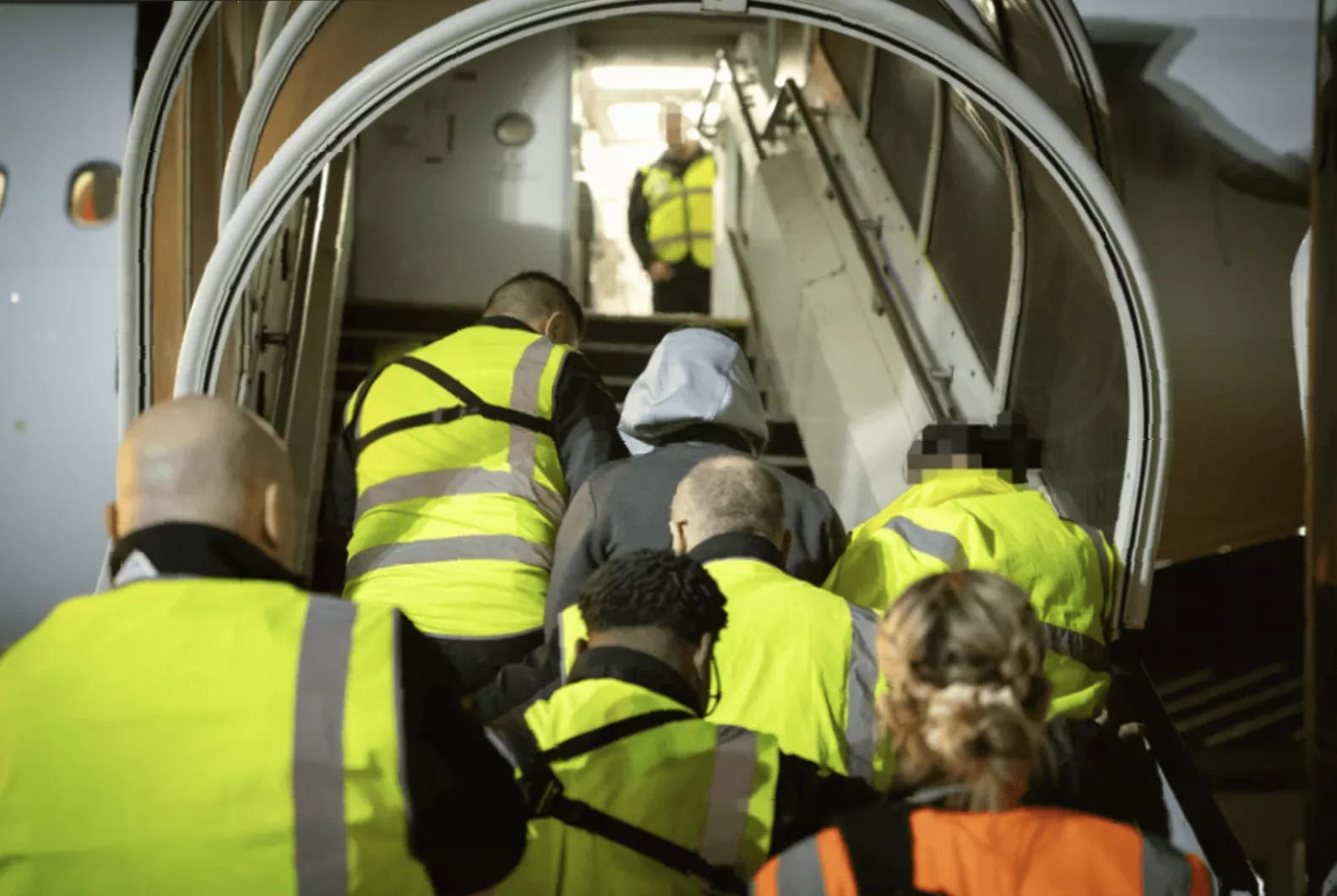
Home Secretary Shabana Mahmood has been pushing measures to increase deportations, including plans to deport “failed” asylum-seeking families and a “one in, one out” deal with France to return those arriving by small boat. The Government is also planning to deport foreign nationals from prisons immediately after sentencing, excluding those serving life sentences or convicted of murder or terrorism. Since July 2024, deportations of foreign offenders have risen by 14%.
Some foreign criminals are being offered cash incentives — up to £2,000 — under the Facilitated Return Scheme to encourage voluntary departure. Ms Mahmood has acknowledged the practice “doesn’t look good” but argued it is cheaper for the taxpayer. The UK has formal returns agreements with Albania, Georgia, Serbia, Moldova and Pakistan, and in 2022 signed a “landmark joint communique” with Albania to speed up removals of Albanian nationals.
Mr Johnstone said the Government’s figures “do not reflect” what is really happening in society. “All offences are serious,” he told GB News, “but if you look at the serious sexual offences, particularly those committed against young people, then there’s very few of those people actually ever being deported. In fact, there’s very few of them ever caught in the first place. So only a tiny number are being deported.”
Additional data from Dorset Police showed 186 recorded sexual offences in 2024 where the alleged perpetrator was not a UK national, and 127 in the first nine months of 2025. An analysis by the Centre for Migration Control, cited in GB News, has suggested that foreign nationals are responsible for up to one in four sex offences in the UK despite making up just over 9% of the population. That analysis claimed Afghans and Eritreans had particularly high conviction rates per capita, although its methodology requires further scrutiny. The Metropolitan Police has published data for 2022–23 on people charged for sexual offences by nationality, and the Office for National Statistics provides ethnicity breakdowns of identified offenders, though these are not always broken down by nationality.
A spokesman for the Prime Minister defended the Government’s record, stating: “We are committed to working together… migrants arriving by small boats are for the first time being detained and returned.”