The geography of the daily commute is being redrawn, not by corporate decree, but by the lasting legacy of hybrid work and a relentless hunt for value. New analysis reveals how Britain’s traditional commuter belts, which briefly expanded during the pandemic, have consolidated into new, more affordable patterns shaped by infrastructure, necessity, and the weekly—not daily—trip to the office.
According to exclusive research from estate agency Savills, priced-out buyers are targeting a fresh set of suburbs, towns, and villages where station usage has surged past pre-pandemic levels. This trend is driven by a perfect storm: the intensifying cost-of-living crisis, higher mortgage costs, and a market where first-time buyers now compete with second-steppers and downsizers moving back from rural areas for proximity to transport and family.
The Infrastructure Effect: London’s New Arteries
“Britain’s traditional commuter belts have shrunk back down after the pandemic, but they are not as compact as they were before, with buyers searching for value,” says Frances McDonald of Savills. “New infrastructure has driven changes, too.”
Nowhere is this more evident than along the Elizabeth line, which has acted as a powerful catalyst. Research indicates areas around its stations have seen substantial house price growth, with rents near stations jumping by an average of 31% in the three years after its full opening. This has opened up new frontiers.
In Buckinghamshire, Iver offers a prime example. With an average house price of £539,575, it sits in the county yet the Elizabeth line stops at its station, reaching Canary Wharf in just over 40 minutes. Similarly, in Berkshire, Twyford has seen prices tick up since the line’s arrival. Offering a village feel with independent cafes, two-bedroom cottages here start from around £375,000, presenting a more affordable alternative to pricier Henley-on-Thames.
Further east, Shenfield in Essex benefits from a “turn up and go” service to Liverpool Street every five minutes. While average prices sit at £656,159, flats near the station offer a first rung on the ladder from £170,000. However, the market is adjusting; recent data shows sold prices in Shenfield fell by 9.7% over a recent 12-month period, with an average of £635,000, indicating a potential cooling in hotspots.
The Value Commute: Going Further for Affordability
For those willing to trade a longer journey for significantly lower prices, a new tier of commuter town has emerged. These locations, typically with travel times between 50 and 90 minutes to central London, are seeing demand from hybrid workers commuting two to three days a week.
In Essex, the suburb of Prittlewell, north of Southend-on-Sea, boasts an average house price of £295,326 and a 55-minute journey. Mark Newman of Winkworth estate agents notes most buyers are relocating from London, Ilford, and Barking, drawn by grammar schools. Colchester, Britain’s oldest recorded town, offers a 47-minute commute and an average price of £285,722, with high demand spilling into villages like Great Bentley. Data shows the average semi-detached property in Colchester rose 2.8% in the year to October 2025.
Regeneration is a key draw. Folkestone West in Kent, with a 52-minute high-speed link to St Pancras and an average price of £310,304, is transforming its old harbour into a food and entertainment hub. “Folkestone offers an ideal balance for those commuting two to three days a week,” says Claire Reene of Bairstow Eves, noting strong demand for period homes near stations.
The search for value pushes some even further. Corby in Northamptonshire, once England’s largest town without a station, now provides a 71-minute commute for an average of £225,245. Buyers are attracted to nearby villages and new developments like Priors Hall Park. In South Yorkshire, Doncaster attracts value hunters with an average price of just £148,803 and a 91-minute LNER service, with popular villages like Sprotbrough commanding much higher premiums.
Regional Hubs: Birmingham, Manchester, Edinburgh
The recalibration is not unique to London. Savills’ research identifies new affordable commuter zones around Britain’s other major employment hubs.
For Birmingham, villages in Worcestershire are becoming the “Cotswolds of the Midlands.” Hartlebury, with an average price of £376,790 and a 44-51 minute journey to Birmingham stations, offers a castle, a common, and quick access to the city. South Wigston in Leicestershire provides a 49-minute direct service to Birmingham New Street and an average price of £249,811, appealing with its period housing and good schools.
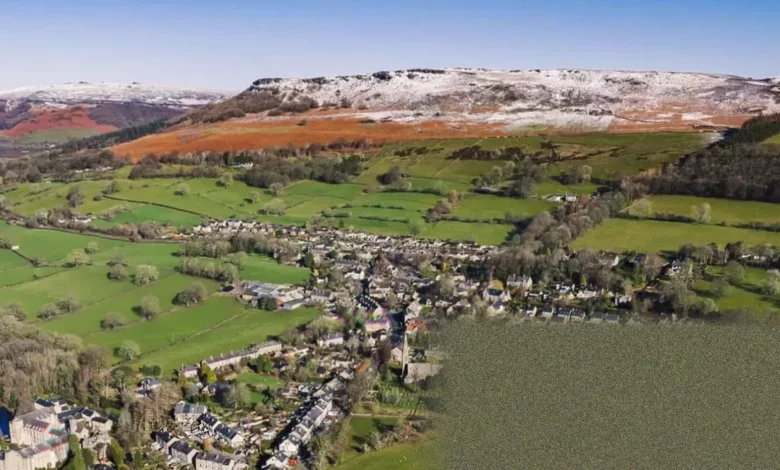
Manchester’s commuter belt highlights the premium for lifestyle. Holmes Chapel in Cheshire, famous as the hometown of Harry Styles, offers a 42-minute commute and an average price of £350,304. For access to both the city and the Peak District, Bamford in Derbyshire is a magnet for climbers, with a 55-minute journey and an average price of £523,615. Meanwhile, Styal in Cheshire is popular as new-build property there is about 25% cheaper per square foot than in neighbouring Wilmslow, despite a similar 43-minute commute.
In Scotland, the search for an alternative to expensive Edinburgh is clear. Stirling, with its historic castle and 39-minute journey, has an average price of £215,224. More affordable options exist in smaller settlements like Camelon in Stirlingshire (£173,381, 36 minutes) and Fauldhouse in West Lothian (£155,947, 36 minutes), which offer family-sized homes on the edge of open countryside.
The overarching picture is one of a market in flux, where the definition of a commutable distance has been permanently stretched and then selectively contracted around value and lifestyle. As Savills’ methodology confirms—prioritising areas with rising station usage and direct links—the map of where Britain lives and works is being quietly but decisively redrawn.