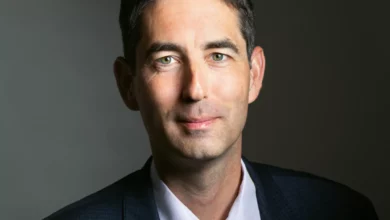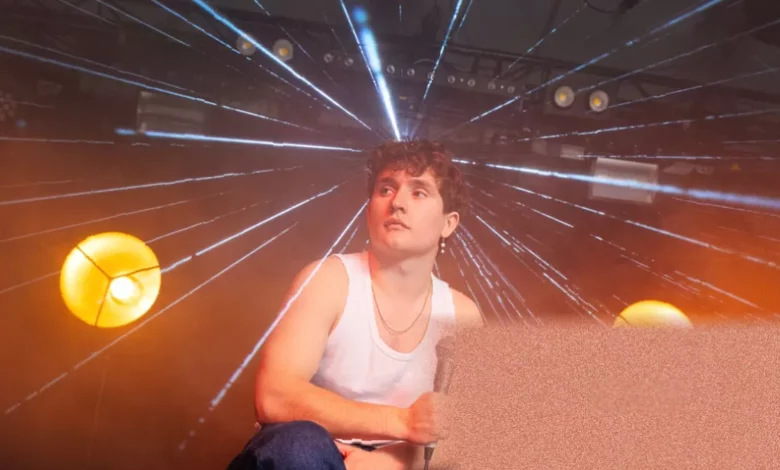
In an online landscape often dominated by hyper-masculine posturing, performance poet Sam Browne is deploying raw, confessional art as a direct challenge to toxic masculinity. With tens of millions of views on his social media videos and a growing live following, the 21-year-old from Southend is using his platform to dissect male mental health, sexual violence, and the search for an authentic self, turning his own struggles into a lifeline for others.
The Viral Confrontation
Browne’s impact is most starkly illustrated by the trajectory of his poem “Silly Billy.” Released in February 2025, the two-minute piece weaves statistics on sexual assault with school-day nostalgia, culminating in the story of a character who assaults a girl at a party. Its viral refrain—”Billys aren’t evil, they’re failures of a system / A misguided form of discipline”—propelled it to over 15 million views and straight into the heart of the online culture wars.
The backlash was swift and severe. Browne faced a torrent of death threats and online abuse. Andrew Tate, the controversial influencer and prominent manosphere figure with 11 million followers, mocked the poet in a now-deleted post on his X account. Browne describes the experience as so overwhelming he feared he was entering another psychotic episode. “I was receiving absurd levels of hate and dissociating,” he says. Yet, he also received a counter-flood of messages from people, particularly young men, stating his work had changed their perspective or even stopped them from taking their own life. For Browne, this confirmed his tactic was working: using social media to force a raw and honest confrontation where it is least expected.
Now boasting over 160,000 followers on Instagram, Browne has quit his job as a teaching assistant to perform full-time. He is currently touring the UK with his show “The Manosphere and Other Fun Shapes,” with dates scheduled in Southampton, Exeter, Brighton, Nottingham, Bristol, and Leeds into 2026. He also hosts a regular night, “Sam Browne and Friends,” at 93 Feet East in London.
From Southend ‘Lad’ to Bisexual Poet
This mission is forged from a deeply personal history. Browne grew up in what he describes as the “look-obsessed,” “geezer” culture of Southend, Essex, where he mastered the performance of being a ‘lad’. “I would spend most of my time at the pub talking about football and women, but it wasn’t who I really was,” he admits. He says figures like Andrew Tate gained traction because “we all believed what he was saying before he said it,” with Browne himself becoming obsessed with a masculine ideal of getting “ripped” and making money.
His mental health began to fracture early. He traces issues back to cannabis use from age 13, recalling a moment at 15 when, after getting drunk and high, he felt “something snap in my brain.” This led to depression, a prescription for antidepressants and ADHD medication, and at 17, an irrational fear of sleep that marked his first psychotic episode. “It felt like the world was moving too slowly and I was going to explode,” he says.
After leaving school at 18, travel became a catalyst. Teaching English online from Australia and Southeast Asia, he experienced an awakening in Indonesia, surrounded by free-spirited people. He discovered his bisexuality—”I realise in hindsight that my queerness was trying to get out”—and began writing poetry again, finally relinquishing the “lad” persona. However, his mental health challenges persisted, culminating in a second psychotic episode alone in Morocco, an experience he later channelled into his poem “You’ll Miss the Sunset.”
Returning to the UK and a “pit of depression,” a pivotal turn came in 2024 when he moved to London to live with his 96-year-old grandmother. He immersed himself in poetry, attending open mic nights and drawing inspiration from accessible yet poignant writers like Wendy Cope and Matthew Dickman. By early 2025, videos of his intensely physical performances were gaining serious online traction.
An Alternative Blueprint
At the core of Browne’s work is a deliberate effort to dismantle harmful masculine norms and offer a new blueprint. He argues that simply telling teenage boys what not to do is ineffective. “You have to show them there’s another way to be a man,” he states. His method is radical, performative honesty about his own psychosis, loneliness, and vulnerabilities, modelling the open communication he believes boys are starved of.
His poem “Silly Billy” embodies a key philosophical stance: moving the critique from individual “rotten apples” to what he sees as a “rotten system.” He wrote it after conversations with female friends revealed the near-universal prevalence of sexual assault, framing the perpetrator not as a monster but as a product of a misguided environment. This systemic view, featured in documentaries like the BBC’s “Eastenders investigates the Manosphere,” aims to foster deeper understanding over simplistic blame.
Browne acknowledges the personal cost of this exposure but sees it as necessary. “It’s vulnerable but it seems worth it since a poet’s job is to be honest,” he says. The messages he receives confirm its value, with the phrase “You saved my life” becoming, to his astonishment, a recurring feedback. “I do it for myself, too,” he adds, “as it saved me.”
Future Frontlines
Looking ahead, Browne is expanding his reach. He is working on a book and developing longer-form video content for YouTube, with a podcast also a possibility. He believes the frontline is shifting; where the overt “manosphere” of figures like Tate has waned, he sees the same ideologies being repackaged by “pseudo-intellectuals and right-wing commentators on podcasts.” His strategy is to adapt, avoiding mere name-calling which he fears only pushes people further into ideological rabbit holes.
Now stable in his mental health, attending therapy when needed, and part of a new community in poetry—which he calls a place where outcasts are heard—Browne’s focus remains clear. “I just want every poem to be a reason for someone reading or listening to stay alive,” he says. With a national tour underway and new projects in development, his confrontation with the rigid expectations of modern masculinity is only intensifying.