The head of the world’s largest asset manager has issued a stark warning that the global economy could be tipped into a severe recession if crude oil prices surge to $150 a barrel. Larry Fink, CEO of BlackRock, outlined two potential paths as conflict escalates in the Middle East: either de-escalation and falling prices, or a protracted period of costly oil above $100 that risks reaching that painful threshold.
Recession Fears as Energy Shock Deepens
The core driver of this economic threat, as identified by the International Energy Agency, is the “largest supply disruption in the history of the global oil market.” This stems from Iranian actions around the Strait of Hormuz, the critical chokepoint for approximately one-fifth of the world’s oil and gas. With Brent crude having already surged sharply, some analysts point to future market expectations of over $150, while Saudi Arabia has reportedly modelled scenarios where supply disruptions could push prices as high as $180 a barrel.
The impact of $150 oil would be profound and widespread. In the UK, petrol prices could climb to around £1.90 per litre, adding over £500 a year to the fuel bill of a typical petrol car driver—an effective and “very regressive tax” hitting lower-income households hardest. Globally, sustained prices at that level would exacerbate inflation, dampen consumer spending, and severely disrupt supply chains through elevated logistics and insurance costs, creating a “stark and steep recession,” according to Fink.
UK Government’s “Whole-of-Society” Preparation
In response to an “era of confrontation” marked by threats from states including Iran, Russia, and China, the UK government is actively preparing the nation for a potential wartime scenario. Published in June 2025, the Strategic Defence Review called for a “generational response” to defence and security challenges, advocating for active preparation for conflict on British soil for the first time in decades. This was followed by the UK Resilience Action Plan, focusing on societal and infrastructure preparedness.
The government has pledged to increase defence spending to 2.5% of GDP by 2027, with ambitions for 3%, and is pursuing significant capability enhancements. These include plans for at least six new munitions factories, the production of 7,000 long-range weapons, and up to 12 new attack submarines by the late 2030s as part of the AUKUS alliance. A new counter-intelligence service is also being created to disrupt hostile state operations.
On energy and economic resilience, the government has adopted a restrained approach focused on targeted support. This includes a £53 million package for households using heating oil, an extended 5p fuel duty cut, and a temporary energy price cap. It is also investing £100 million in reopening a carbon dioxide plant and pushing for more renewables and nuclear to reduce dependence on volatile gas markets. The Competition and Markets Authority is monitoring retail fuel prices and could receive new powers to clamp down on profiteering.
Podcast Examines Readiness and Resilience
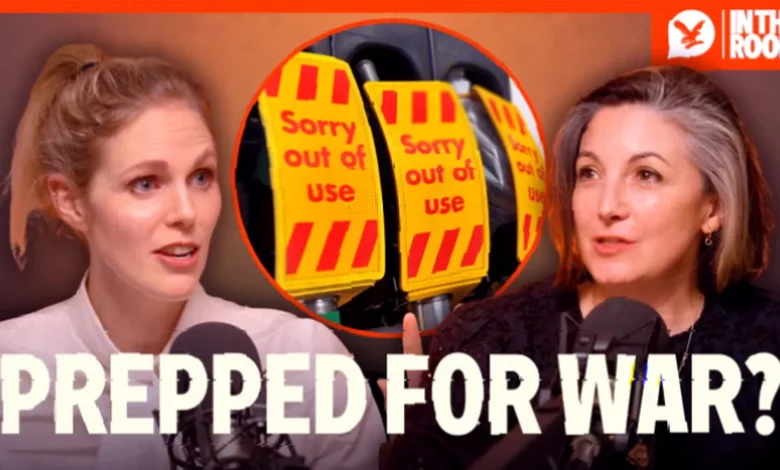
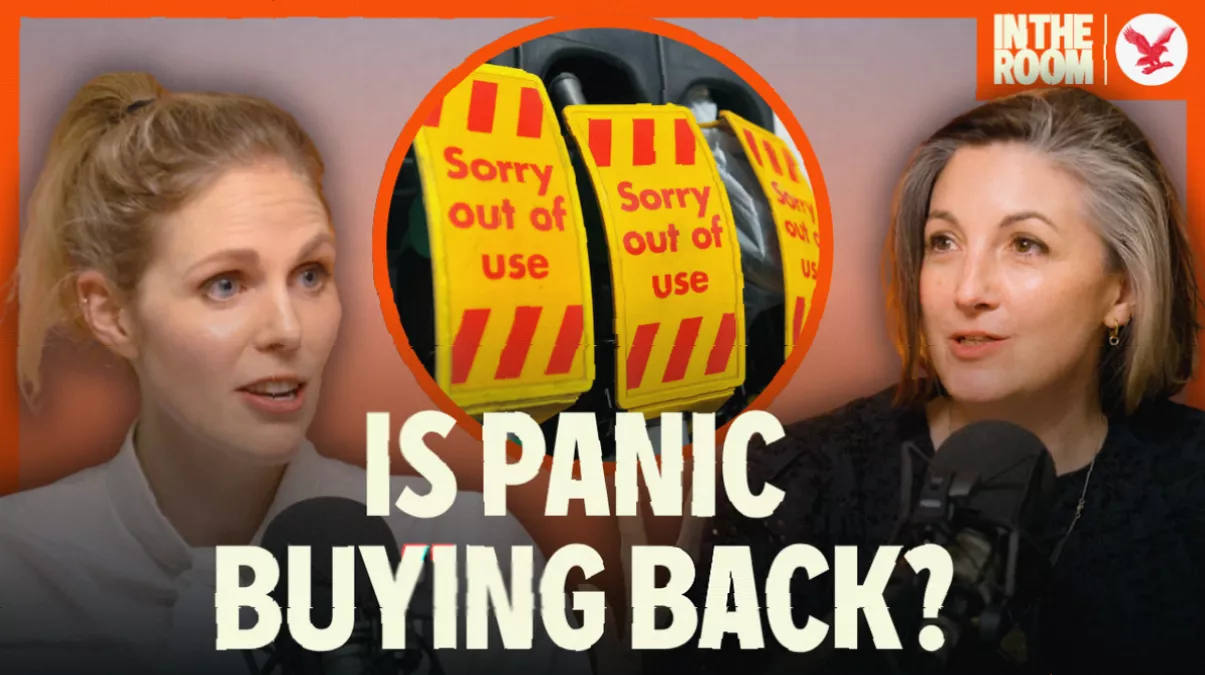
The question of whether the public is practically or psychologically prepared for such disruptions is explored in the latest episode of the ‘In The Room’ podcast, featuring two former senior officials. The guests are Helen MacNamara, the former Deputy Cabinet Secretary and Head of the Cabinet Secretariat under Boris Johnson, and Cleo Watson, a former Special Adviser and co-Deputy Chief of Staff in the same administration.
Both MacNamara, now Chair of the Future Governance Forum, and Watson, an author, were fined for attending lockdown-breach gatherings during the Partygate scandal. Their episode considers the UK’s preparedness for major crisis, touching on historical patterns of panic buying—from wartime rationing and the 2000 fuel protests to stockpiling during Brexit, the Ukraine war, and the COVID-19 pandemic. The podcast is released weekly on Apple Podcasts, Spotify, and YouTube.