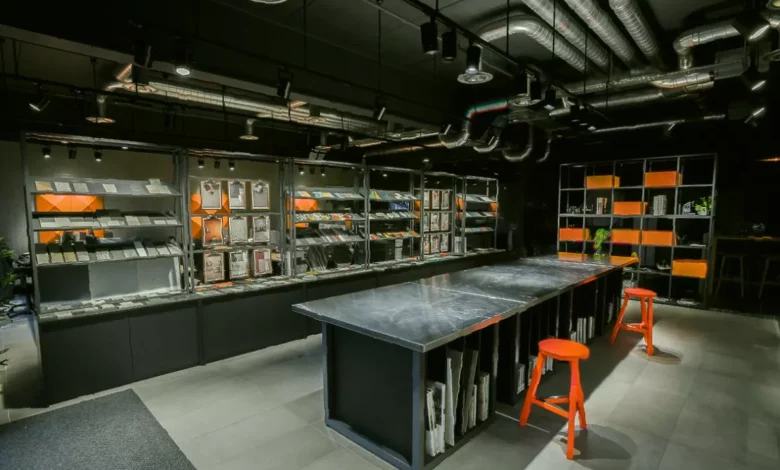
Topps Tiles is to close 23 of its branches, a move the Leicestershire-based retailer says is a necessary response to rising costs and a challenging home improvement market. The closures represent 7% of its 319-strong store portfolio, with eight sites having already shut since last September and the remaining 15 slated to close over the coming six months.
The company confirmed the affected shops were underperforming and described the action as part of “significant self-help measures” that also include savings at its head office. Topps Tiles employs approximately 1,850 people and stated that affected staff would be offered roles elsewhere in the business where feasible. The cost-cutting programme is designed to strengthen profitability, even if it weighs on overall sales, with savings weighted towards the second half of the financial year.
Financial pressures in a softer market
The strategic retrenchment comes against a backdrop of what chief executive Alex Jensen called “subdued consumer sentiment and geopolitical uncertainty” as well as the “cumulative impact of cost inflation.” The company’s financial results for the six months to 28 March illustrated the pressures. Group revenue saw a marginal decline of 0.1% to £142.7 million.
However, this headline figure was significantly impacted by the integration of CTD, a rival tile chain Topps acquired from administration in 2024. Excluding CTD, sales grew by 2.1%, though growth slowed sharply to 0.6% in the second quarter. Despite this deceleration, the company noted it had outperformed the broader UK home improvement and DIY market, which it said declined by approximately 2.5% over the same period, a sector softened by rising living costs affecting discretionary spending.
The focus on profitability follows a notable turnaround in the company’s fortunes. For the full year to September, Topps Tiles reported a statutory pre-tax profit of £8.3 million, a stark recovery from a £16.2 million pre-tax loss the year before.
The complex legacy of the CTD acquisition
A major factor behind the recent sales figures was the “lengthy” competition process triggered by the CTD takeover. The acquisition drew scrutiny from the Competition and Markets Authority (CMA), which identified potential competition concerns in four retail localities: Dorking, Aberdeen, Inverness, and Edinburgh.
To address these concerns and avoid a deeper Phase II investigation, Topps agreed to divest CTD stores in those areas. The CMA accepted these undertakings, and the sale of the four stores was completed between September and December 2025, bringing the merger investigation to a close. As a result, Topps retained 22 CTD stores from an initial acquisition of 30. The company stated that the CTD business is on track to return to profitability in the 2025-26 financial year, having recorded like-for-like sales growth of 1% in the first half.
Deal for Fired Earth brand adds a premium strand
Alongside integrating CTD, Topps has also moved to absorb another fallen rival. In December 2025, it acquired the brand of collapsed premium interiors firm Fired Earth for £3 million. Fired Earth had entered administration in October 2025, resulting in the closure of its 20 UK showrooms and 133 redundancies.
Topps reported that the Fired Earth brand has traded well since the rescue deal, delivering a positive profit in its first half under new ownership. The acquisition of Fired Earth, described as having strong brand recognition and a loyal customer base, adds a premium strand to Topps Tiles’ portfolio, which itself commands high brand recognition—around 25 times greater than its nearest tile specialist competitors on an unprompted basis.
The leadership overseeing this period of consolidation and change is relatively new. Alex Jensen assumed the role of chief executive on 8 December, succeeding longstanding former boss Rob Parker upon his retirement. Jensen was previously CEO of National Express UK, Ireland & Germany. The company has also seen a change in its finance department, with Chief Financial Officer Stephen Hopson leaving on 3 September to join Marston’s; Mike Killick was appointed as interim CFO.
The company’s actions are set against a UK ceramic tiles market that is projected for future growth, with an expected compound annual growth rate of 2.66% from 2026-2031, driven by renovation activity and demand for large-format porcelain. However, for now, Topps Tiles is prioritising a leaner operational structure to navigate persistent cost pressures and a consumer base increasingly prioritising affordability.