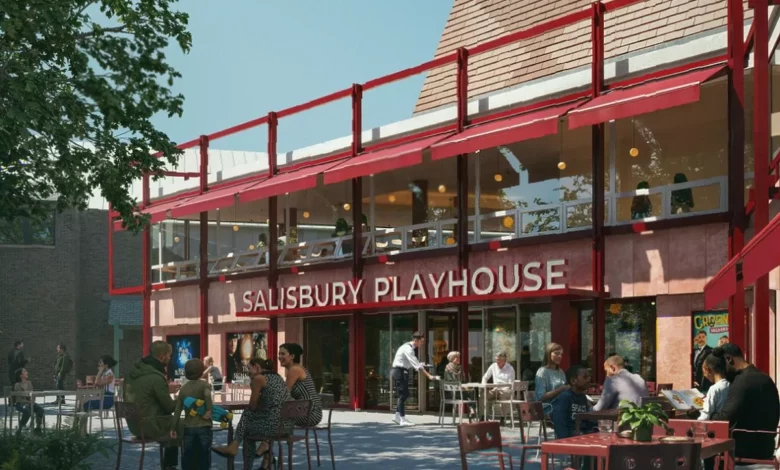
Salisbury Playhouse has announced plans for a £22m redevelopment to be carried out over the next three years, marking its 50th anniversary with an ambitious transformation of the venue into a net‑zero and fully accessible theatre. The project, named “Stage the Future”, also includes revamped technical facilities, wardrobe and workshop spaces, and a commitment to developing “the next generation” of theatre‑makers.
The Stage the Future project
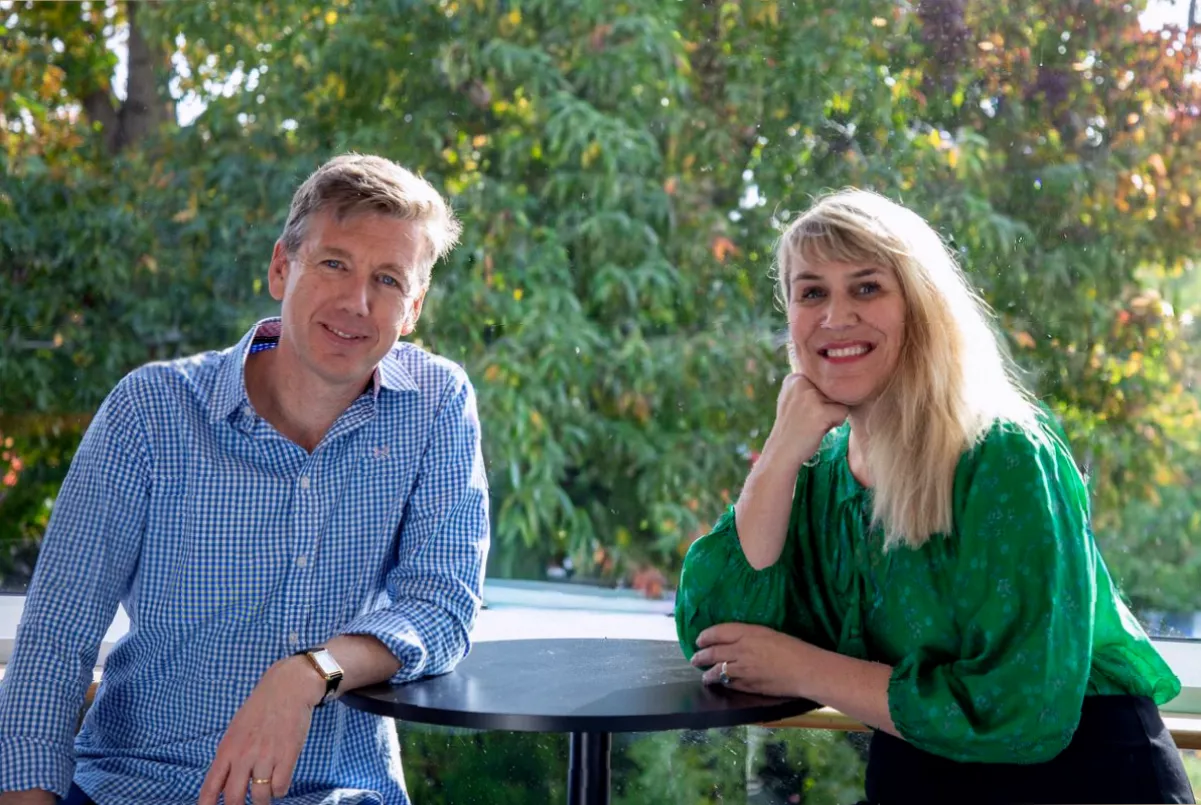
According to Rosa Corbishley, co‑chief executive and executive director, the redevelopment represents “a pivotal moment for the Playhouse – it’s a chance to honour five decades of world‑class theatre and ensure the next 50 years are even greater.” The theatre, one of only three full professional producing venues in the South West, aims to become net‑zero through a series of environmental upgrades including solar panels, LED lighting and a heat pump, which are expected to reduce both energy consumption and operating costs. Accessibility improvements will see new toilets, lifts and a Changing Places facility installed throughout the building.
The technical facilities, wardrobe and workshop spaces will be modernised to support bolder, more ambitious productions. Gareth Machin, co‑chief executive and artistic director, said: “Investment in this redevelopment is vital in unlocking our full producing potential – enabling bolder, more ambitious work, and securing the Playhouse as a cultural cornerstone of the South West – for artists, for audiences, for generations.” The theatre also plans to expand its youth outreach, having received a three‑year grant from the Andrew Lloyd Webber Foundation to support the STAGE65 Youth Theatre project, which focuses on engaging diverse communities, including children from military families.
The project is being financed in part by a £3m grant from Arts Council England’s £1.5bn Arts Everywhere Fund, allocated for essential repairs, accessibility and environmental work. Additional regular funding comes from Wiltshire Council and Salisbury City Council.
Community reach and economic contribution
Salisbury Playhouse already attracts more than 200,000 visitors from around the UK each year and delivers 350 performances annually. Its community and education programme, Take Part, reaches over 15,000 people, including those from under‑represented communities, individuals with special educational needs or disabilities, older people and those experiencing loneliness. The theatre said investing in “world‑class” production facilities would create pathways for emerging artists and technicians.
The venue is also one of Salisbury’s largest employers, supporting around 350 jobs, and has contributed an estimated £40m to the local economy over the past three years, according to the theatre. John Glen, MP for Salisbury, said: “Local theatres have the power to galvanise communities, but they also drive economic growth and nurture the grassroots talent that feeds British theatre. The transformation of Salisbury Playhouse will secure that mission for generations, developing the talent of today, inspiring the artists of tomorrow, and bringing communities together.”
The Playhouse has hosted a string of major performers over the decades, including Ewan McGregor, Ruby Wax, Rupert Everett, the late Timothy West and Prunella Scales, as well as Claire Sweeney, Hermione Norris and Pete Postlethwaite. To mark its 50th anniversary, the theatre staged an immersive promenade production of Shakespeare’s Romeo and Juliet from 24 May to 7 June 2026, transforming the building and its surroundings into Verona and involving a professional cast alongside more than 100 community members.
The current building in Malthouse Lane opened on 30 November 1976, designed by architect Tony Stocken, and comprises a 517‑seat Main House, a 149‑seat Salberg Studio, rehearsal rooms, a daytime café and community and education spaces. It replaced an earlier building that began life in 1869 as a Primitive Methodist chapel on Fisherton Street, later becoming a cinema, a garrison theatre during the Second World War, and then the Arts Theatre before being renamed the Playhouse in 1953. Under the management of Reggie Salberg from 1955, it gained a national reputation as a leading repertory theatre. In 2018 the organisation merged with Salisbury Arts Centre and Salisbury International Arts Festival to become Wiltshire Creative.
The theatre has faced significant financial pressures in recent years. In July 2020, Wiltshire Creative warned that around 40% of jobs were at risk after a 92% loss of income during the pandemic, and in November 2022 city councillors highlighted concerns about rising inflation, utility costs and material expenses affecting its funding. The “Stage the Future” project is designed to address these challenges while positioning the Playhouse for long‑term sustainability. Councillor Ian Thorn, leader of Wiltshire Council, and Councillor Sam Charlston, leader of Salisbury City Council, have both welcomed the investment, emphasising the theatre’s importance to Salisbury’s cultural identity.