UK councils ordered to disregard objections and permit maximum World Cup beer garden screenings

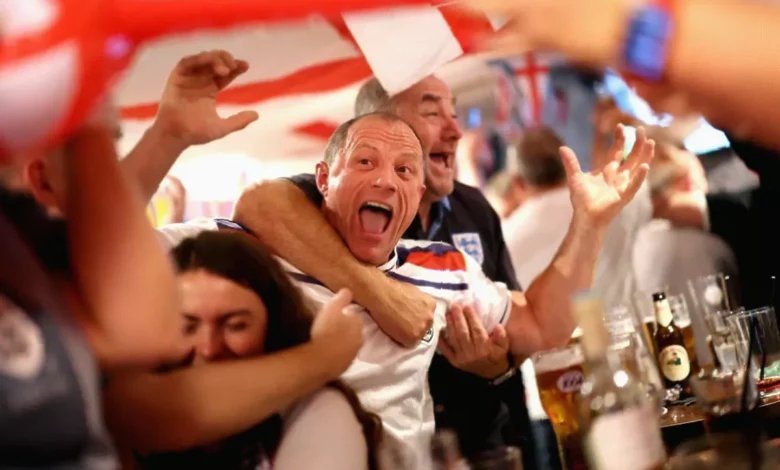
The government has launched a concerted push for councils to fast-track outdoor World Cup screenings and beer garden events this summer, with ministers warning that local authorities who block “sensible” gatherings will be held to account. Communities Secretary Steve Reed is leading the drive, urging councils not to become “the fun police” as the men’s football tournament gets under way later this month.
Government push for “common sense” approvals
In a letter to local leaders, Mr Reed will set out further details of the government’s expectations. He has explicitly asked councils to process temporary event notices for later opening hours and special screenings as quickly as possible, arguing that “the last thing any of us want to see is people being turfed indoors half way through penalties”. The message was echoed by Prime Minister Sir Keir Starmer, who said red tape “should not get in the way of fans enjoying the game with friends and local pubs doing a great trade too”. “A pavement pint in the sunshine discussing the agony of penalties and soaking up the atmosphere is what pubs are all about and we are backing them,” he added. Environment Secretary Emma Reynolds also weighed in, asking councils to apply a “common sense” approach to noise concerns during knockout matches, noting that some local authorities currently impose closing times based on “strict noise concerns”.
Red tape cuts to boost pavement pints and al-fresco dining
Ministers are proposing a significant reduction in bureaucracy for businesses that want to serve customers on the street. The Ministry of Housing, Communities and Local Government (MHCLG) has announced plans to change the licensing period for pavement licences, which currently can be granted for a maximum of two years. The government wants to increase that period — with details including a maximum term length and plans for legislation to be confirmed in due course. It also intends to consult on introducing a minimum term for pavement licences, a measure that does not exist at present. The aim is to make it simpler and cheaper for pubs and cafes to offer “pavement pints” and al-fresco dining, removing the need for frequent renewal applications. Separately, new amendments under the English Devolution and Community Empowerment Bill aim to make streets safer by enforcing against dangerous pavement parking — a commitment that dates back to a 2020 consultation.
The push to cut red tape is part of a wider government support package for the pub sector that includes business rates relief, a freeze on business rates, a review of valuation methods, a new High Streets Strategy and a £10 million Hospitality Support Fund. The British Beer & Pub Association (BBPA), which has issued national guidance alongside UKHospitality, the BII and the National Police Chiefs’ Council, estimates that an extra 50 million pints could be sold if a home team reaches the World Cup final. The guidance, covering match screenings between June 11 and July 19, stresses early engagement with police and licensing officers, prompt temporary event notice submissions, capacity planning, risk assessments, and responsible alcohol service. For outdoor screenings, councils advise checking premises licence conditions for outdoor area curfews, reviewing screen positioning to avoid viewing by non-customers, and considering the impact of increased noise levels on local residents, especially for late kick-offs.
Extended hours for knockout stages
Pubs will be allowed to stay open until 2 am if any home nations reach the knockout stages. The Licensing Act 2003 (FIFA World Cup Licensing Hours) Order 2026, made on 12 May and in force from 8 June, sets out specific rules for England and Wales. Qualifying premises that are already licensed for on-sales of alcohol until at least 11 pm on the day of the match can stay open until 1 am for matches kicking off between 5 pm and 9 pm, and until 2 am for matches kicking off between 9 pm and 10 pm. Matches starting before 5 pm or after 10 pm do not benefit from the national extension and require a temporary event notice if later opening is desired. The relaxations apply only when England or Scotland are playing in the knockout rounds — the Round of 32, Round of 16, quarter-finals, semi-finals, bronze medal match and final — and do not apply to group stage fixtures. Off-sales of alcohol, regulated entertainment, and late-night refreshment (unless already licensed for on-sales of alcohol) are excluded from the extensions.
Alcohol licensing is a devolved matter in Scotland, and local authorities there are considering their own arrangements. Some, including Aberdeen City Council and Glasgow licensing chiefs, have already granted permission for later hours. Dundee City Council is proposing to allow pubs to stay open until 1 am or 15 minutes after an 11 pm kick-off, whichever is later, for matches not involving Scotland; for Scotland matches, pubs may be allowed to stay open up to 15 minutes after the final whistle. Edinburgh Licensing Board is consulting on a general extension. For group stage games, pubs in England and Wales generally adhere to standard closing times (11 pm), while Scottish pubs follow their usual 10 pm limit. Councils have been specifically asked to process temporary event notices for later opening hours and special screenings quickly, and officials have warned that authorities that unnecessarily block plans will be “held to account”.
Council response
A spokesperson for the Local Government Association, which represents councils across England, said: “Councils support communities coming together to enjoy the World Cup and will be working with pubs and residents to make licensing decisions based on local conditions and community needs.”