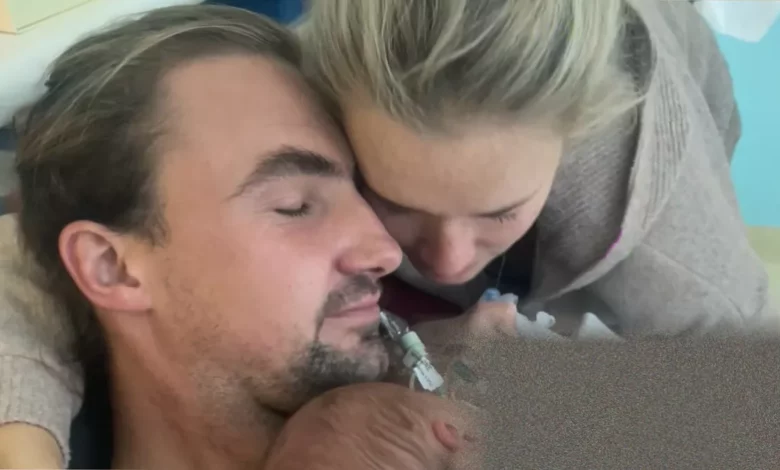
An NHS trust failed a mother after supporting an unsafe home birth that led to her baby’s death, an inquest has found. Poppy Hope Lomas died aged seven days at University College Hospital in London on 26 October 2022, having suffered a catastrophic lack of oxygen in the half-hour before she was born. The senior coroner for Barnet, Andrew Walker, concluded that the Royal Free London NHS Foundation Trust had agreed to support an “unsafe home delivery that was against medical advice” and had failed to address “an accumulation of risk factors”.
Inquest findings: a catalogue of missed warnings
The inquest heard that Poppy died from a severe hypoxic ischaemic brain event – a lack of oxygen reaching the brain – sustained in the 30 minutes before her birth. The coroner identified multiple failures in care. Gemma Lomas, Poppy’s mother, had a prolonged rupture of membranes without antibiotic cover, and two decelerations in the baby’s heart rate were detected approximately one and a half hours before delivery. Midwives were accused of being slow to react when Poppy was born “blue and floppy”. An ambulance was not called until two minutes after the birth, when it was clear she showed no signs of life. The home delivery kit did not include a pulse oximeter to measure maternal heart rate, and it was suggested that Ms Lomas’s own heart rate might have been mistaken for Poppy’s during checks shortly before birth. The trust, the coroner said, had failed to recognise and appropriately manage these risks.
Mother’s experience: ‘We trusted the professionals’
Speaking outside court after the inquest concluded, Ms Lomas said: “Nothing will ever bring her back, but hearing the truth today acknowledged means everything to us.” She said she had been encouraged to have a vaginal birth at home by midwives at Barnet Hospital, despite the risks. Ms Lomas had given birth to her first daughter, Willow, by caesarean section in 2018, making any subsequent vaginal birth – known as a VBAC (vaginal birth after caesarean) – a complex and higher-risk decision. “I was encouraged to do what we did,” she said. “I would have never made decisions to harm myself or my baby in any capacity.” She told the inquest she was not informed that her pregnancy and planned birth were high risk. “We trusted the professionals who were guiding us,” she added, expressing hope that lessons would be learned.
The risks of VBAC home births and the ‘out of guidance’ problem
Guidance from the Royal College of Obstetricians and Gynaecologists (RCOG) states that VBACs should take place in a “suitably staffed and equipped delivery suite” and with resources available for immediate caesarean delivery. Home births are recommended only for low-risk pregnancies – in England and Wales, about one in 50 births take place at home. Yet in the case of Ms Lomas, midwives supported a home birth despite the clear contraindication. Experts have warned that only highly experienced midwives should attend home births for high-risk pregnancies, and that staffing shortages, inconsistent training and local policy limitations have undermined the safety of such services.
Central to the coroner’s concerns was the use of the phrase “out of guidance” rather than “against medical advice”. Mr Walker flagged this issue in his closing remarks, noting that the term risked downplaying the seriousness of the decision. A similar concern emerged in a previous inquest into the deaths of Jennifer Cahill and her daughter Agnes Lily in Greater Manchester, where a coroner ruled “gross failure” in care and found that the dangers of a home birth had not been fully explained. In that case, phrases such as “out of guidance” had been favoured. Mr Walker recommended that when parents choose “an unsafe birth at home”, multi‑disciplinary meetings involving the parents should be held, and that they should sign a consent form clearly explaining the risks. The RCOG guidance on VBACs is unequivocal: a home birth is not appropriate because immediate access to emergency caesarean section and a fully equipped delivery suite is essential.
NHS trust response
A spokesperson for the Royal Free London NHS Foundation Trust offered their “heartfelt condolences” to Poppy’s family. “Following an investigation, we have introduced a number of measures to improve care for women delivering their baby at home,” they said, including better communication and ensuring midwives were aware of the guidance on transferring mothers to hospital. The trust said it would respond to the issues raised by the coroner in due course.