The public inquiry into the conduct of disgraced neurosurgeon Sam Eljamel is expected to begin its first evidential hearings in September, after a delay caused by building safety concerns at its Edinburgh venue, the inquiry chair has announced.
Lord Weir said on Friday that the hearings would now run for four weeks from September 7, moving forward on the assumption that the safety issues at Waverley Gate can be resolved in time. A provisional timetable is due to be issued to core participants next week, and the inquiry team has been instructed to begin making contact with potential witnesses immediately.
The Inquiry into Sam Eljamel
The statutory public inquiry was announced by the Scottish Government in September 2023, following years of campaigning by former patients and whistle-blowers. It is investigating allegations that Eljamel, who was head of neurosurgery at Ninewells Hospital in Dundee between 1995 and 2013, carried out botched and unnecessary operations, leaving scores of patients with life-changing injuries including paralysis, blindness and chronic pain. Reports suggest as many as 200 patients may have been harmed.
Concerns about his practice were raised internally as early as 2009, but it was not until 2013 that they emerged publicly. Eljamel was suspended in December 2013 after an investigation by the Royal College of Surgeons of Edinburgh, resigned from NHS Tayside in May 2014 and removed himself from the General Medical Register the following year. He is believed to be working in Libya. NHS Tayside has since reset the time bar for legal claims, with the potential compensation bill estimated to exceed £100 million; one patient has already been awarded £2.8 million.
The inquiry, chaired by Lord Weir since his appointment in February 2024, operates under the Inquiries Act 2005. Its terms of reference were fixed in April 2025 following a public consultation, and preliminary hearings were held later that year. Alongside the public inquiry, an independent clinical review chaired by Professor Stephen Wigmore offered patients a personalised assessment of their care; registration for that process closed in December 2025.
Building Safety Concerns Cause Delay
The first evidential hearings had originally been scheduled for April this year, but were postponed after safety issues emerged at Waverley Gate, the building housing the inquiry’s office space, hearing room and the corridor providing access to them. According to Jamie Dawson KC, senior counsel to the inquiry, the team first became aware of the concerns last year, but it was not until February that it “became apparent” to Lord Weir that the problem posed a “real risk” to attendees’ safety.

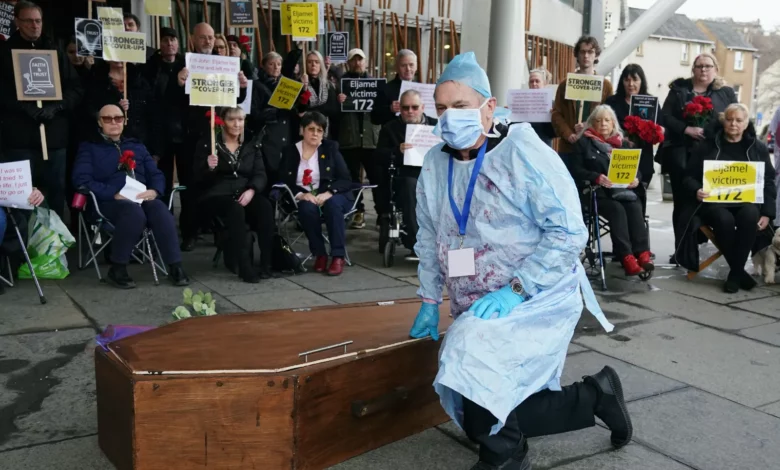
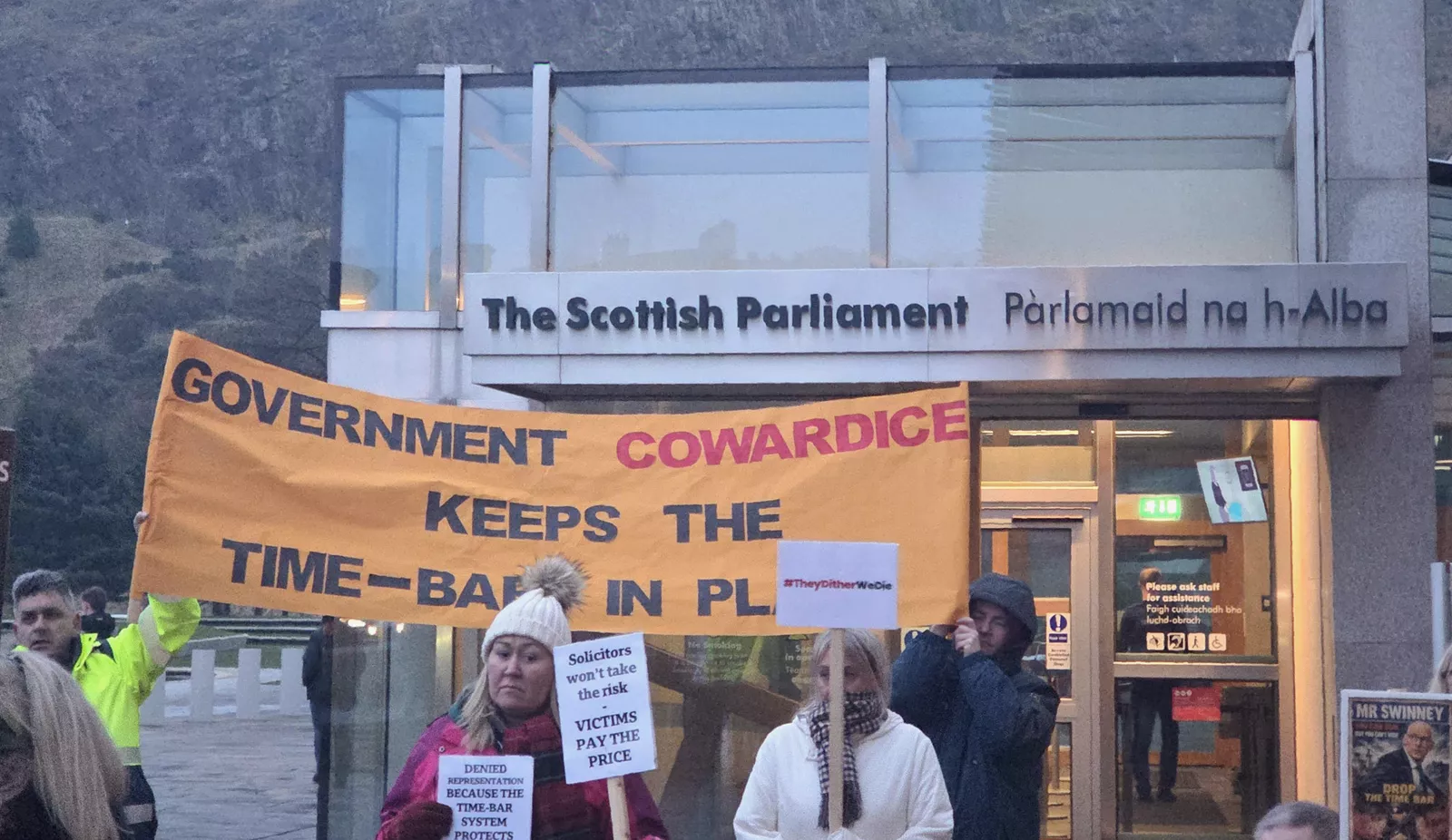
In May, Mr Dawson KC publicly criticised the Scottish Government’s handling of the situation, saying former patients had been left “uninformed, anxious and suspicious” by the lack of any public explanation for the delay. Patients and campaigners had already expressed frustration over what they saw as a lack of transparency, and some had joined demonstrations outside the Scottish Parliament. Separately, Police Scotland is conducting its own investigation, codenamed Operation Stringent, which has been running for seven years and has itself faced criticism over its pace. There have also been concerns that NHS Tayside may have destroyed 40 operating theatre logbooks from Eljamel’s period of practice, despite a “do not destroy” order – something that could represent a breach of the Inquiries Act.
Lord Weir said on Friday that the Scottish Government intended to resolve the building safety issues by entering into a new lease covering the inquiry’s spaces at Waverley Gate. He said he had been told the new lease should ensure the premises are safe for public use without the need for any construction work. However, he cautioned that he could not yet guarantee the hearings would go ahead in September, adding: “I am satisfied that the update with which I have been provided constitutes a suitable basis upon which we can proceed with the inquiry’s preparatory work on the assumption that the hearings will indeed go ahead in September.”
He confirmed the inquiry team would “continue to monitor progress against milestones which the Scottish Government has set out”, and that any material slippage would require “explanations and immediate solutions”.

Government Assurances
A Scottish Government spokesperson said: “We fully recognise the pain and distress experienced by people impacted by Mr Eljamel’s practice. That is why we established the statutory public inquiry to ensure patients get the answers and justice they deserve. We understand the frustration caused as issues relating to the building are resolved. The Scottish Government has been working collaboratively with the inquiry teams, City of Edinburgh Council and the landlord of Waverley Gate to develop a solution that would allow inquiry hearings to take place in person as soon as safe to do so.”
The spokesperson added that ministers were clear the government would continue to provide any necessary operational support to enable the chair and the inquiry to carry out their independent work and to ensure patients could fully participate in the process.