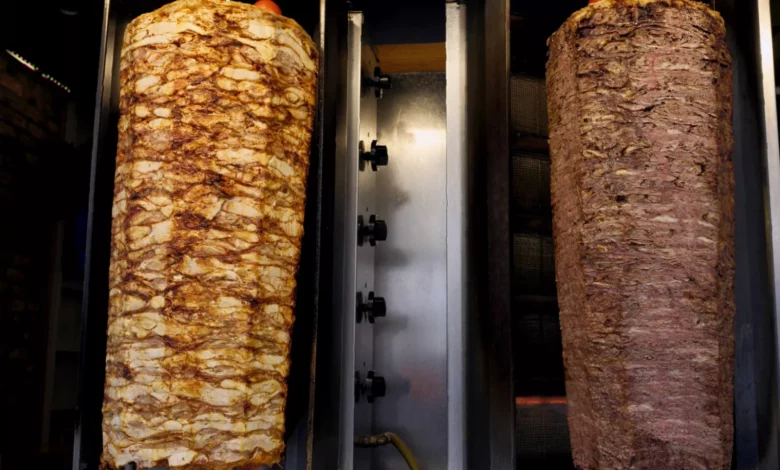
Millions of UK kebab lovers may have unknowingly eaten goat, skin, and fat instead of lamb, after a major food fraud case exposed sustained deception by one of the country’s largest kebab manufacturers.
The fraud discovery
The scandal came to light in late 2020 and early 2021, when Swansea Council’s Trading Standards team carried out a regional sampling exercise of kebab meat sold in local takeaways and restaurants. Initial DNA testing on products labelled as “70% lamb” revealed less than 10% sheep DNA. Further examination of samples from wholesalers confirmed large discrepancies between the declared meat content and the actual composition.
In May 2021, investigators raided a Kismet Kebabs factory in Chelmsford, Essex. What they found was striking: no shipments of lamb on site. Instead, trading standards officers discovered “pallets of goat, pallets of trim, offcuts with high fat content, boxes of fat, boxes of skin, bits of mutton.” Rhys Harries, the trading standards team leader, described the scene: “It all goes into a massive mincer and comes out looking like Play-Doh.” Invoices also allegedly showed the company had purchased only small quantities of lamb compared to large volumes of lamb fat, skin, goat, and mutton.
The court later heard that Kismet Kebabs produced mechanically derived meat products consisting largely of neck trimmings, mutton trimmings, water, and ice. These were included in the declared meat content, further inflating the claimed amount of lamb. One product marketed as “87% lamb” was found to contain just 51% meat and 40% fat.
The extent of the meat fraud
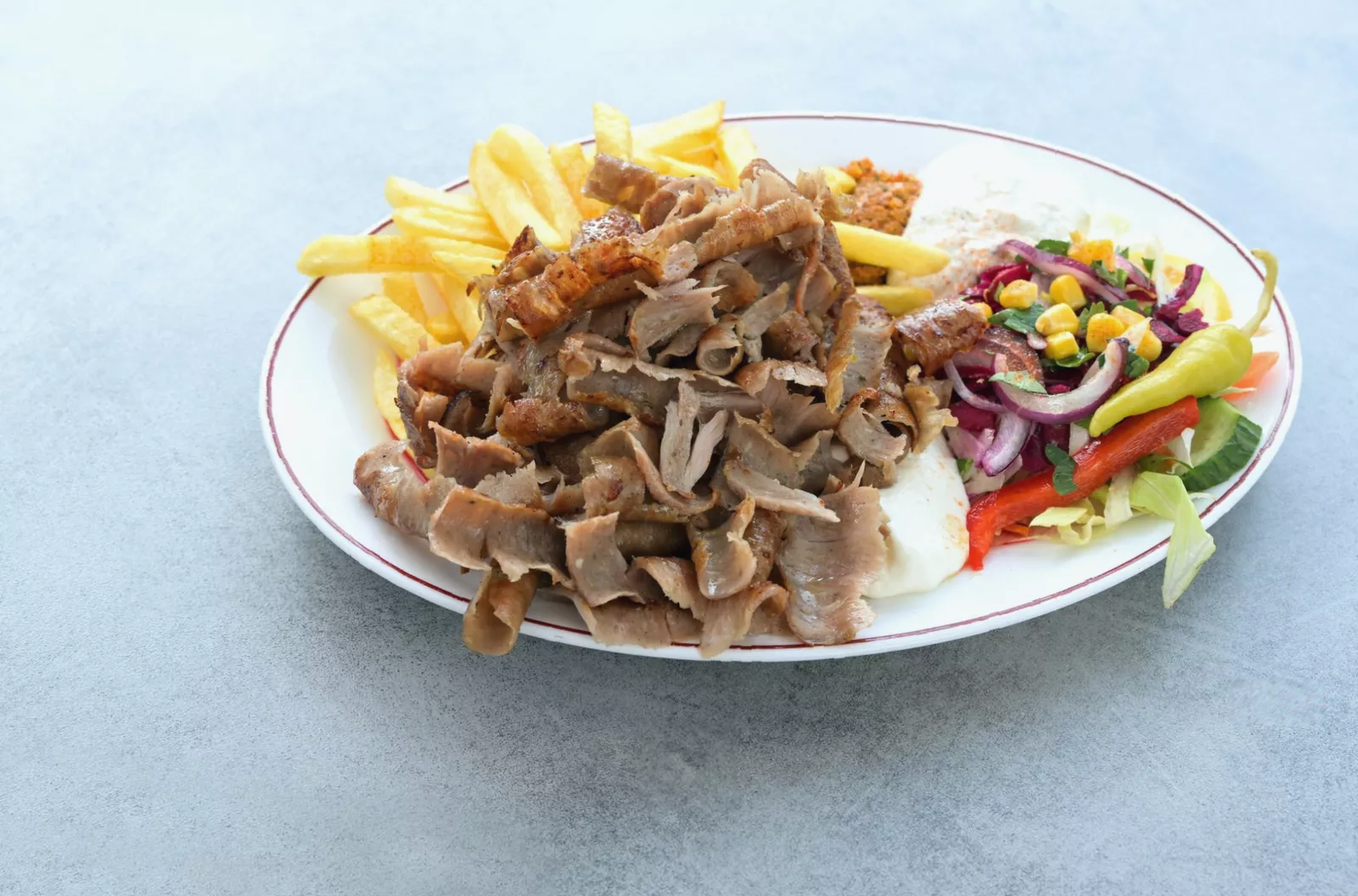
The deception was not limited to a handful of batches. Prosecutors estimated that Kismet Kebabs made approximately £6 million from the fraudulent activity, supplying potentially mislabelled products to fast-food outlets across the UK. Swansea trading standards officer Rhys Harries said: “I think some customers won’t be surprised there’s a lot of skin and fat in these products – but I don’t think many people will be expecting goat.” He added that the scale of the operation was “almost the same as the horsemeat scandal, because of the volume of product that was going out of this factory.”
The comparison to the 2013 horsemeat scandal was widely noted. In that case, Tesco made international headlines after selling beef burgers that contained horse DNA, leading to widespread recalls and a shake-up of food supply chain checks.
At Swansea Crown Court, Kismet Kebabs Ltd pleaded guilty to one count of fraud by false representation. The judge described the fraudulent activity as “endemic” at the time of the offences and said the company had engaged in “considerable dishonesty” over a prolonged period. The company was fined £500,000 and ordered to pay £259,298 in prosecution costs, with four years to pay.
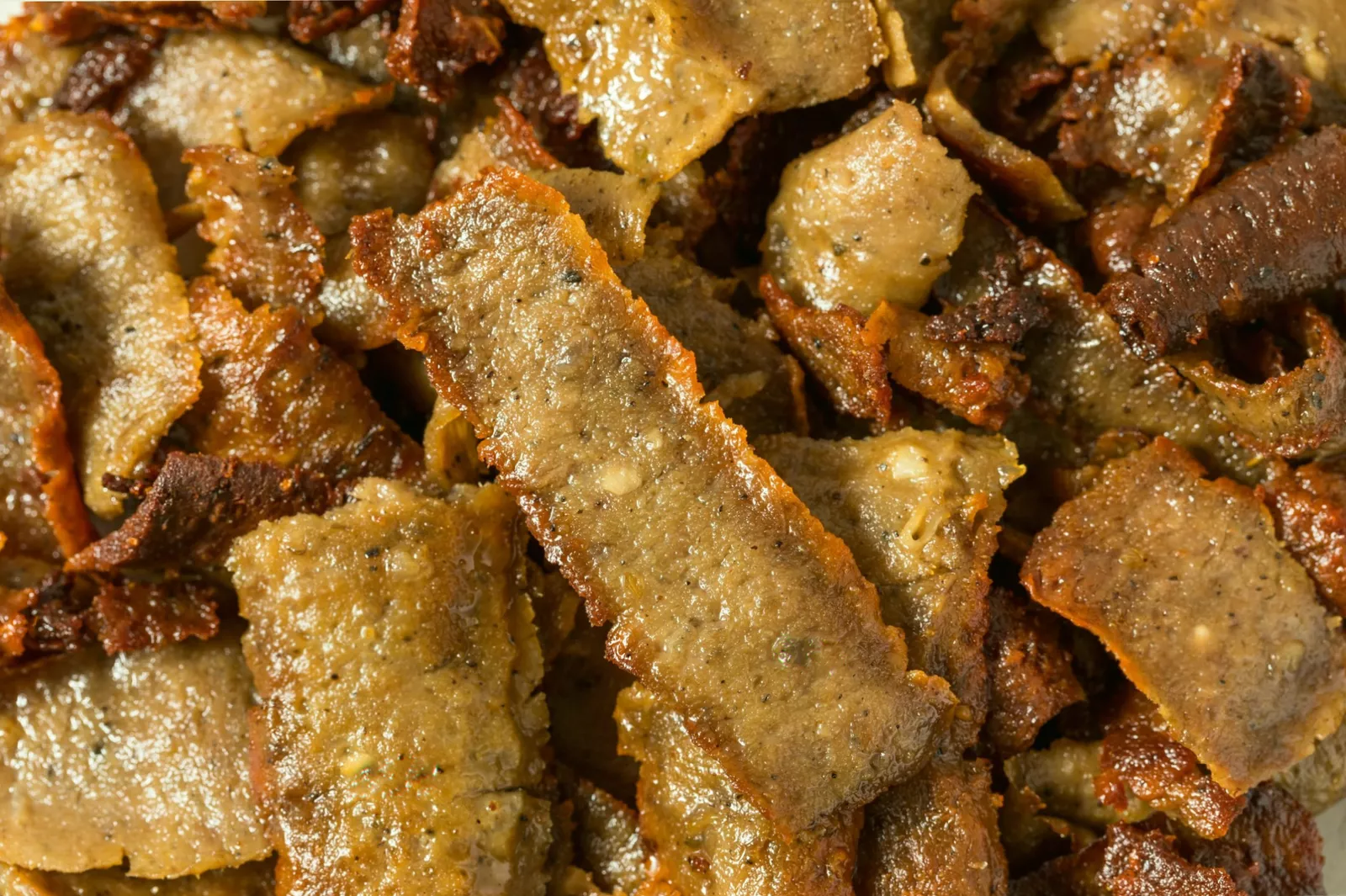
The case exposed a broader pattern of mislabelling in the kebab trade. In 2013, West Sussex Trading Standards found poultry, beef, and veal in products sold as lamb kebabs, with some sellers apparently unaware of the rules or failing to read labels. More recently, in August 2025, two Lancashire-based businesses were prosecuted for selling mislabelled meat products, with lamb and chicken seekh kebabs found to be a mix of lamb, chicken, and beef. In the UK, a doner kebab is generally understood to be made from lamb or mutton; if it contains other meats, it should be advertised as such.
The company’s current status
Kismet Kebabs remains in operation and has changed leadership since the period of fraudulent practice. In a statement, the company said: “It is important to recognise that the matters in question relate to historical events and do not reflect the standards, systems, management structure, or operational controls that exist within the business today.” The company noted it had achieved BRCGS Certification for the past three years and BRCGS Module 11 accreditation for two years.
However, the company had previously been under scrutiny through a Primary Authority Partnership with Essex County Council, which reportedly received complaints from other councils across England regarding meat content and labelling practices. Essex Council eventually terminated the partnership due to a “lack of cooperation” and “failure to heed advice.” Kismet Kebabs’ latest financial report, for the year to May 31, 2025, showed an operating loss of £738,207, attributed primarily to the fine and associated legal costs, while turnover grew by nearly 7% to £19.7 million. The company stated it remains financially stable, fully operational, and has experienced no disruption to production, customer service, or supply chain activities.