
The family of a “clever, beautiful” young woman who died from an undiagnosed ruptured ectopic pregnancy in 2021 have said they hope a fatal accident inquiry will finally reveal why Hannah McInally died, providing the answers they need to “move forwards” after years of unanswered questions.
Family’s hopes for the inquiry
Speaking after a preliminary hearing at Aberdeen Sheriff Court on Thursday, Hannah’s family – including her partner Scott Strachan – issued a statement through their legal representatives, Digby Brown Solicitors, expressing their belief that there were failings at NHS Grampian that “directly contributed to her death”. The statement said the mere existence of a Fatal Accident Inquiry (FAI) “confirms there to be truth in this” and described the process as “simply an exercise in publicly disclosing what went wrong and why”.
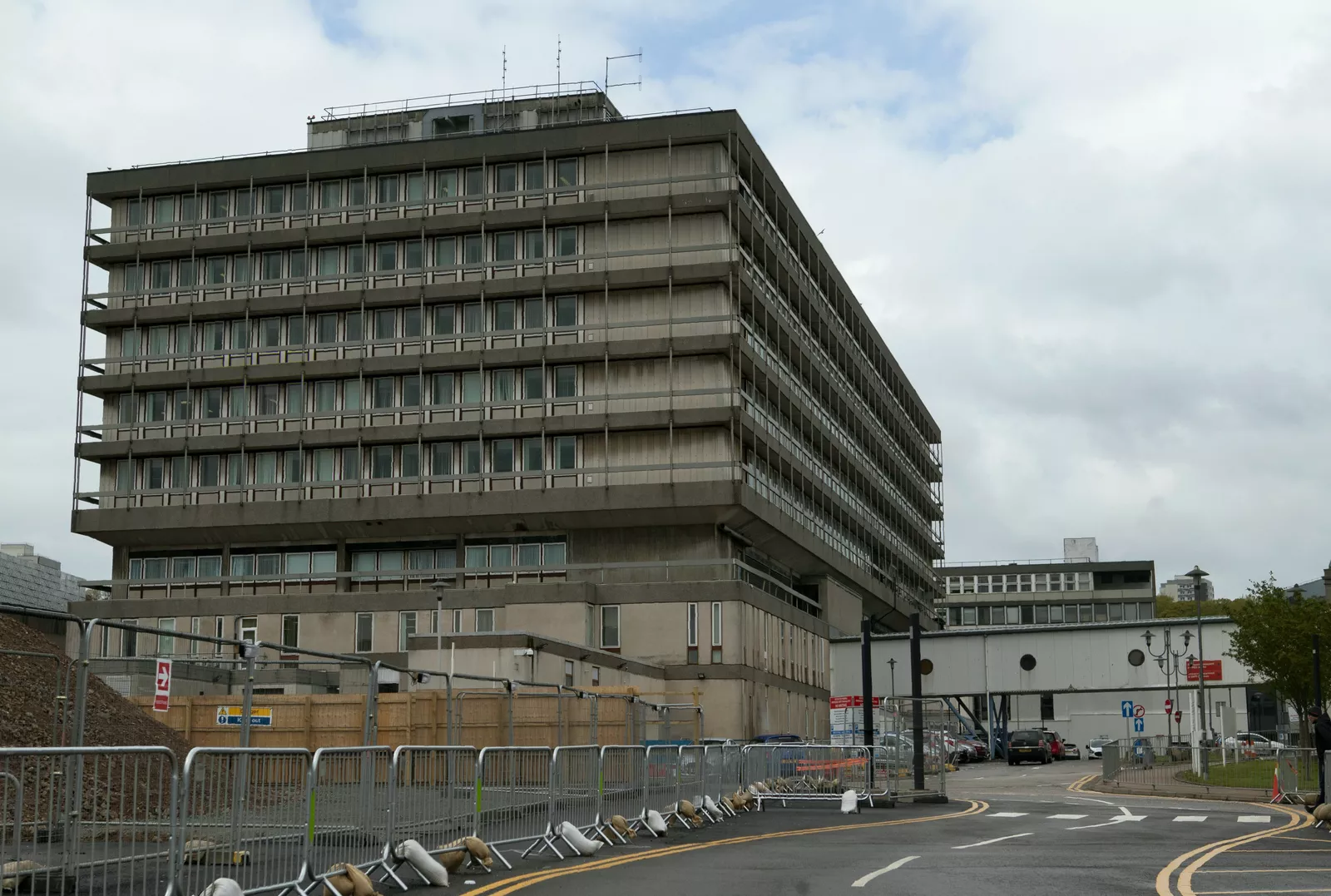
Hannah, a 24-year-old teacher in her probationary year at Dyce Academy in Aberdeen, died at Aberdeen Royal Infirmary on 23 November 2021. Her family described her as “kind, clever, beautiful and contagiously happy”. Her partner, Scott Strachan, previously called her an “intelligent, honest, beautiful and kind young woman”. The family said the health board had, to date, failed to “fully answer all our questions that we believe would help us understand, grieve and move forwards”. They asked for privacy during the proceedings “so we can give it our full attention and process things in our own time”.
During the hearing, fiscal depute Alan Morrison confirmed that Mr Strachan will give evidence to the inquiry. Mr Morrison suggested it may be possible for him to do so through a written affidavit to avoid the distress of giving oral testimony. “I would never want to put him, Mr Strachan, through what no doubt would be a distressing experience for him,” Mr Morrison said.
The three areas the inquiry will investigate
Mr Morrison used the short hearing to outline the three main areas the FAI will examine in detail. The first concerns the call made to NHS 24 on 11 November 2021 in relation to Hannah’s condition. The inquiry will determine “whether that was dealt with appropriately and reasonably by NHS 24”.
Secondly, the inquiry will scrutinise the assessment of Hannah’s condition by two Grampian health board out-of-hours doctors. The fiscal depute did not provide further details during the preliminary hearing, but the scope of this line of investigation is expected to cover the clinical decision-making and diagnostic processes at the time of her contact with these practitioners.
Thirdly, the FAI will look at the measures taken by NHS Grampian and NHS 24 following Hannah’s death. The inquiry will examine “whether they might realistically prevent death in the future”. This area is designed to identify any systemic failings and determine what reasonable precautions could be implemented to reduce the risk of similar deaths occurring again.
An ectopic pregnancy – which occurs when a fertilised egg implants outside the uterus, potentially causing surrounding tissue to rupture – affects approximately one in 90 pregnancies in the UK and is the leading cause of death in early pregnancy. Hannah’s death followed complications from an undiagnosed ruptured ectopic pregnancy.

Witnesses and legal representatives
Mr Morrison told Aberdeen Sheriff Court that the Crown has prepared a list of 11 witnesses, though it may not be necessary to call all of them. He said two further expert witnesses would be required: one in gynaecology and one in nursing practice. Sean White, representing NHS Grampian, said the health board has also instructed a GP expert to give evidence to the inquiry.
Scott Clair, representing NHS 24, expressed his client’s sympathy for the family. “This is a truly tragic case involving the death of a young woman and my sympathies, and the sympathies of those who instruct me, are with Hannah McInally’s family,” he said. “NHS 24 will do its utmost to assist this inquiry and will be open to any learning that can be derived from it.”
Sheriff Ian Wallace, who presided over the preliminary hearing, echoed those sentiments, noting that despite the “technical and procedural” nature of the proceedings, everyone was aware of the “tragic nature” of Hannah’s death. He scheduled a further preliminary hearing in three months. Mr Morrison said four court days would be required for all the evidence to be heard.
Purpose of a Fatal Accident Inquiry
The Crown Office and Procurator Fiscal Service (COPFS) ordered the FAI in March after the Lord Advocate, Dorothy Bain KC, determined that Hannah’s death occurred in circumstances giving rise to “serious public concern”. Andy Shanks, of the Crown Office, said: “The Lord Advocate considers that the death of Hannah McInally occurred in circumstances giving rise to serious public concern and as such a discretionary FAI should be held.”
FAIs in Scotland are public hearings conducted by a Sheriff to establish the cause of death, the circumstances in which it occurred, and what, if any, reasonable precautions could have been taken and could be implemented in the future to minimise the risk of future deaths in similar circumstances. Unlike criminal proceedings, FAIs are inquisitorial in nature and are used to establish facts rather than to apportion blame. The Sheriff will later publish a “determination” detailing findings and any recommended precautions. In Hannah’s case, the FAI falls under the discretionary category because of the serious public concern raised by her death.
Since Hannah’s death, fundraising in her memory has raised more than £35,000. Her partner Scott Strachan climbed Mount Kilimanjaro in 2024, raising over £12,500 for The Ectopic Pregnancy Trust, while a charity dinner dance in Dundee raised a further £22,000. Mr Strachan said his life was “forever changed” by Hannah’s loss and that she had “so much to look forward to”.