Hundreds of homes in Kent and Sussex lost water over the weekend as hot weather and surging demand pushed the local network beyond its limits, the company responsible has confirmed.
At its peak on Sunday, approximately 800 properties in the Kent villages of Charing, Challock and Molash were without water, while around 168 homes in Eastbourne, East Sussex, were also affected. By Monday morning at least 250 households remained cut off, and a separate incident in Whitstable left 64 properties without supplies overnight after a technical problem with booster pumps.
Technical failure at pumping station
South East Water said the outages were triggered by a “technical failure at our pumping station near Charing”, which meant it could not push enough drinking water to properties on higher ground. The company’s incident manager, Steve Benton, said: “We have struggled to push water to properties on higher ground.” The failure came as an unseasonably hot spell drove a sharp increase in demand, forcing the utility to pump “far more drinking water than usual” to elevated areas.
In a social media post, the company appealed to customers to stagger their water use. “Sun’s out. We know the drill: nobody wants a water company telling them to save water when there’s leaks. Fair point,” it said. “Our reservoirs are healthy. There is no shortage of water. But if we all use hoses at Saturday lunchtime, the water pressure drops and homes at the top of the hill can run dry. Spacing out heavy water tasks over the week means everyone on your street keeps their water pressure.”
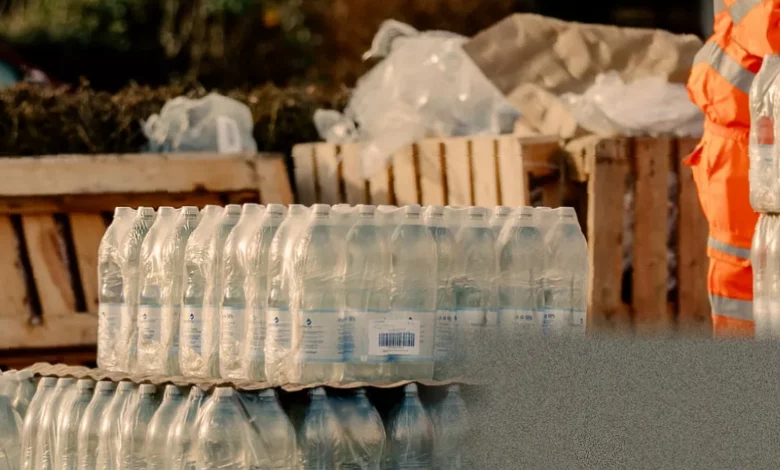
South East Water opened a bottled-water station at Challock village hall on Monday and began making deliveries to customers unable to travel. Mr Benton apologised “to our customers in parts of Kent who have experienced low pressure or no water intermittently this weekend”.
A pattern of incompetence
The latest disruption comes weeks after a committee of MPs accused South East Water’s senior executives of incompetence over repeated outages that had affected tens of thousands of customers. The Environment, Food and Rural Affairs (Efra) Committee declared it had “no confidence” in the company’s leadership, pointing to a “culture of unaccountability” and inadequate governance. Its report noted that chief executive David Hinton had previously admitted to MPs that the company’s response to past outages was “too slow and unstructured”.
South East Water already faces a proposed fine of £22.46 million from the industry regulator, Ofwat — equivalent to 8 per cent of its turnover — over “serious disruptions” to supplies between 2020 and 2023. Ofwat’s investigation found that the company “failed to plan sufficiently, learn from incidents, and maintain resilience within its water supply system, particularly during periods of high demand or extreme weather”, and that it “lacked ownership” for fixing root causes and failed to maintain key infrastructure. The company has initiated legal action against the regulator over the proposed penalty.
Following the MPs’ report, Mr Hinton announced plans to step down, saying his position had become a “distraction” from the priority of delivering a resilient supply. He will remain in post over the summer to allow an orderly transition. The group’s chair, Chris Train, also quit earlier in May.
Previous crises and wider context
The outages this weekend are the latest in a long history of supply failures. In November and December 2025, a major outage centred on the Pembury water treatment works left tens of thousands of customers in the Tunbridge Wells area without water for up to two weeks, prompting a “boil water” notice and the establishment of multiple bottled-water stations. In January this year, Storm Goretti caused burst pipes and power cuts that cut off or reduced water pressure for as many as 30,000 customers across Kent and Sussex; Ofwat launched a separate investigation into whether the company breached its licence conditions during that period. Incidents have been recorded as far back as February and March 2018, with further disruptions in 2020, 2022, 2023 and 2025.
The broader pressures on water supply are well-documented. The UK has one of the highest per-capita daily water usage rates in Europe, averaging 142 to 150 litres per person — significantly more than Germany and the Netherlands, where the figure is around 125 litres, and France, where it is 110 litres. The government has set targets to cut consumption in England by 20 per cent per person by 2038 and to bring the average down to 110 litres by 2050. A House of Lords report has warned that without urgent action, England could face shortages of 5 billion litres a day by 2055, driven by climate change, population growth and increased demand from industries such as data centres.
Peers have noted that no new reservoirs have been built in England by water companies for more than 30 years, while leaks from pipework account for approximately 19 per cent of water demand. The government has set a target to halve leakage by 2050, and water companies have committed to a 50 per cent reduction by that date, with an interim goal of 30 per cent by 2032 backed by significant investment.
South East Water has meanwhile initiated legal proceedings challenging Ofwat’s proposed £22.46 million fine, a move that underscores the ongoing tension between the regulator and a company whose leadership, MPs concluded, has comprehensively failed the consumers it serves.