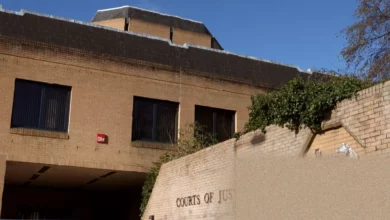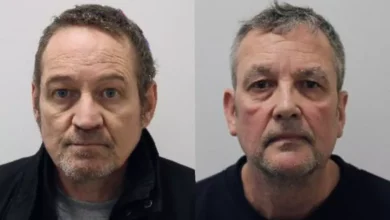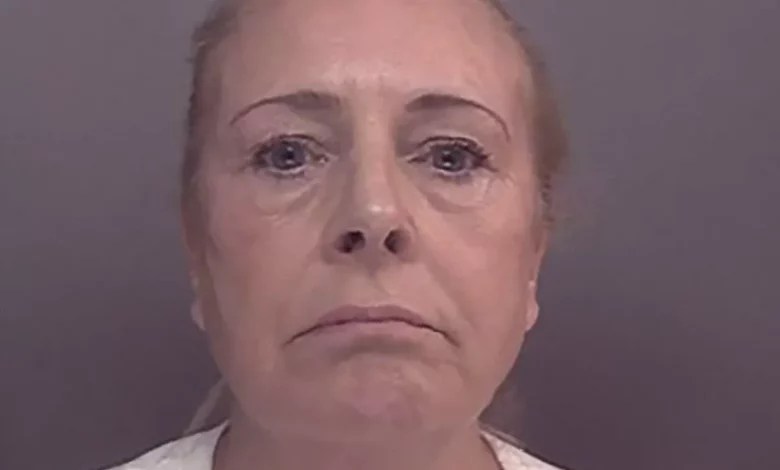
A prison watchdog boss has been jailed for five years and three months for smuggling cannabis, mobile phones, Sim cards and chargers into HMP Liverpool for three inmates. Helen Spree, 63, the former chairwoman of the prison’s Independent Monitoring Board (IMB), exploited her unrestricted access to the Victorian jail to become what prosecutors described as the prisoners’ “version of Deliveroo”.
Spree, who had enjoyed a “successful career” as a sales director for a global firm before taking up voluntary IMB work in 2017, was appointed chair of HMP Liverpool’s board in January 2021. The IMB is a statutory body tasked with scrutinising conditions for prisoners and monitoring how they are treated, and its members are entrusted with keys and the ability to move anywhere unaccompanied within the prison. Over a 20‑month period, Spree struck up inappropriate relationships with three inmates, exchanging explicit phone chats, sexual images and videos, and ultimately bringing prohibited items inside the walls.
The inappropriate relationship with a convicted killer
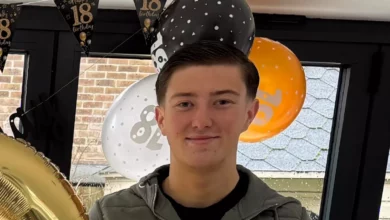
The most extensive relationship involved Dylan Westall, 35, who is serving a life sentence with a minimum term of 22 years for the manslaughter of 17‑year‑old James Meadows, shot in the head while on a motorbike in Huyton, Merseyside, in October 2017. Spree’s contact with Westall went far beyond her official duties. A search of her home following her arrest in August 2021 uncovered two custom‑made pillows with Westall’s face embossed on them, each featuring a gun motif. Detectives also found a thank‑you card from Westall that read: “You Master Piece. Hugs and Kisses, Dylan xxxxx.”
Spree herself had a tattoo on her chest of a bumblebee holding a love heart, with the word “Masterpiece” underneath. She initially claimed it was a nickname a friend called her, but Liverpool Crown Court heard the tattoo matched images and descriptions found in messages exchanged between her and Westall. Her barrister, Arthur Gibson, told the court that the discovery of the pillows was something “one would expect with a teenager’s first love” and demonstrated how emotionally involved she had become. In her basis of plea, Spree denied any direct physical sexual activity with the inmates.

Her communications were not limited to Westall. She also sexted two other inmates at HMP Liverpool: Thomas Porterfield, 44, and a third prisoner whose identity is protected for legal reasons. Messages on her phone contained details of their requests for cannabis, phones, Sim cards and chargers. Prosecutor Andrew Scott described the frequency of her deliveries, quoting Spree’s own characterisation: she referred to herself as the prisoners’ “version of Deliveroo”.
How the smuggling operation worked
Spree’s role with the IMB gave her keys and the freedom to go anywhere unaccompanied inside the prison. The Crown Court heard that she used this access to smuggle the Class B drug alongside mobile phones, Sim cards and phone chargers. She also sent messages that provided inmates with advance notice of cell searches and prison officer deployments. Although the prosecution suggested she tried to assist in having prison adjudications “thrown out”, the court concluded there was no evidence her influence altered any outcomes. Spree did intervene to prevent Westall’s transfer to another jail and paid £100 into his prison account.
The scheme also involved Westall’s brother, Michael Westall, 28. He became part of the operation after Dylan Westall introduced him to Spree, with evidence showing the pair meeting at Spree’s home. Michael Westall admitted conspiracy to supply cannabis and convey prohibited items into prison and was sentenced to 20 months in custody, suspended for 18 months.
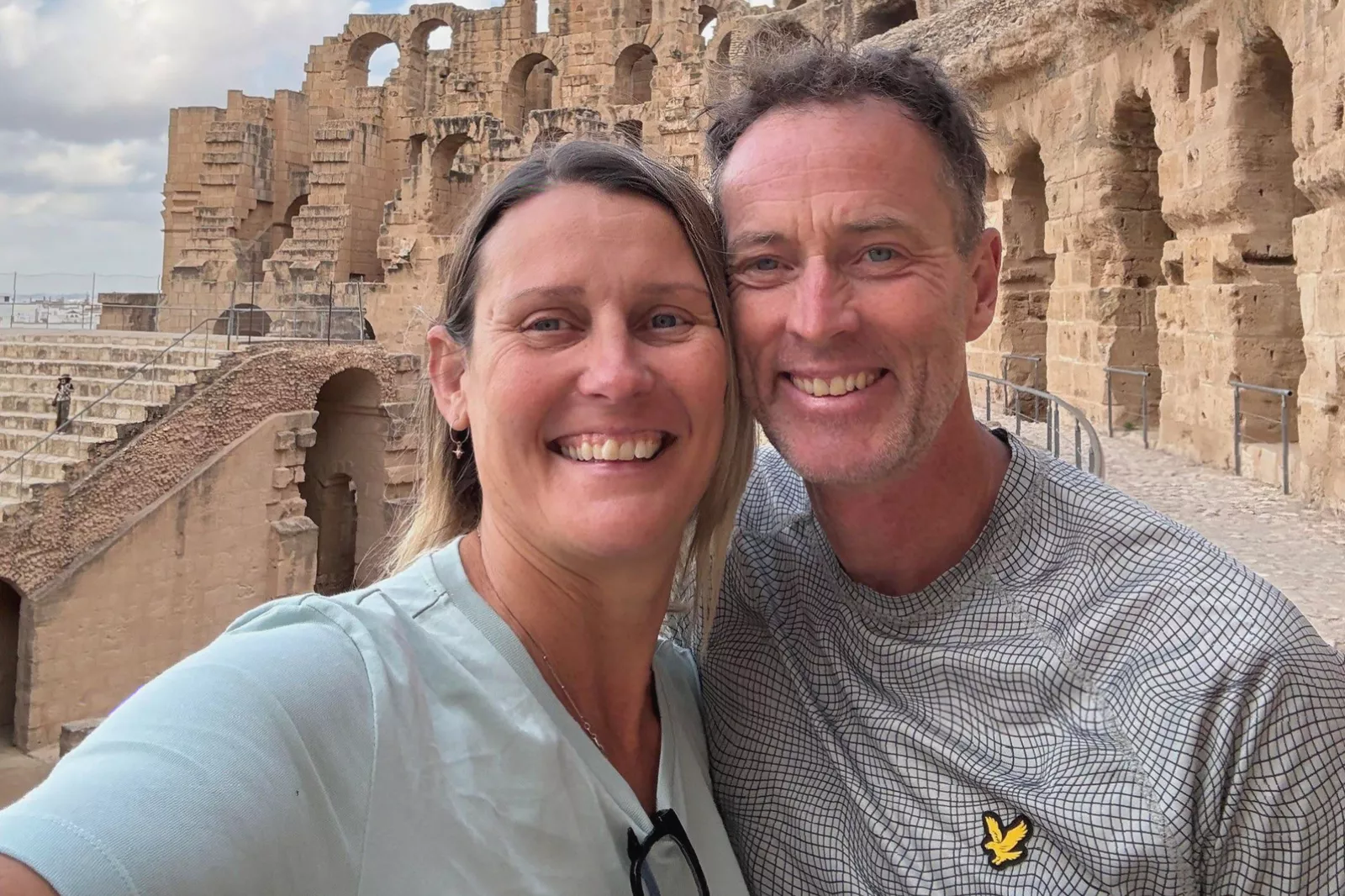
Spree, of Hale Bank Avenue, Huyton, pleaded guilty at an earlier hearing to misconduct in a public office, conspiracy to supply cannabis, and conspiracy to convey prohibited items into prison. She had no previous convictions. Westall and Porterfield also pleaded guilty to the same conspiracy charges. Westall received a 12‑month sentence to be served in addition to his existing life term; Porterfield received 22 months in custody, suspended for 18 months. The third inmate, who cannot be named, was jailed for two years and 10 months for conspiracy to convey prohibited items, including cannabis.
Impact on the prison system
Sentencing Spree, Judge Neil Flewitt KC said: “I have no doubt that when you took up your role as an IMB member you saw it as a new challenge and an opportunity to be a force for good. Notwithstanding your training and the risks of forming inappropriate relationships with prisoners, you allowed yourself to be used to bring in cannabis and other prohibited items for their benefit and personal use.” He described the offences as “deliberate” and requiring “a high level of planning and sophistication”. While accepting that Spree had been, to some extent, manipulated by co‑defendants who saw her as exploitable, the judge added: “You are an intelligent woman who was well aware of the risk of corruption and should have resisted their advances. You received no financial gain but the benefit to you was a boost for your self‑esteem and to be of use, albeit to hardened criminals.”
Spree’s barrister had appealed to the court’s leniency, telling it she had hidden a personal life of “abuse and trauma” that had left her with very low self‑esteem by 2017. “When it came to being flattered and treated as a confidante, she was easily susceptible to making what were seriously wrong judgments,” Mr Gibson said.

Detective Superintendent Claire Maguire, of the North West Regional Organised Crime Unit (NWROCU), which led the investigation, condemned the betrayal of trust. “Helen Spree’s behaviour was a calculated and sustained abuse of a position that exists solely to protect the welfare and rights of people in custody,” she said. “IMB volunteers are entrusted with exceptional access so they can provide independent scrutiny on behalf of the public. Instead of upholding that responsibility, Spree chose to exploit it for personal and criminal gain. Her actions undermined the safety and stability of the prison, compromised the integrity of the IMB system, and betrayed the trust placed in her by colleagues and the public.”
HMP Liverpool, a Victorian prison opened in 1855, has faced persistent challenges. An inspection by HM Inspector of Prisons in 2017 found conditions described as “poor or very poor”, with broken windows, rubbish and inadequate sanitation. The jail has also experienced problems with drone incursions and high rates of positive drug tests – a problem Spree’s smuggling directly exacerbated. The NWROCU investigation was triggered by numerous prison intelligence reports that flagged concerns about her interactions with the three inmates.