From the earliest days of the investigation into the murder of Emma Caldwell, the detectives on the ground were united in a grim certainty: the man responsible was Iain Packer. For nearly two decades, that conviction, held by the officers closest to the evidence, would be overruled, ignored, and sidelined by their superiors, with devastating consequences.
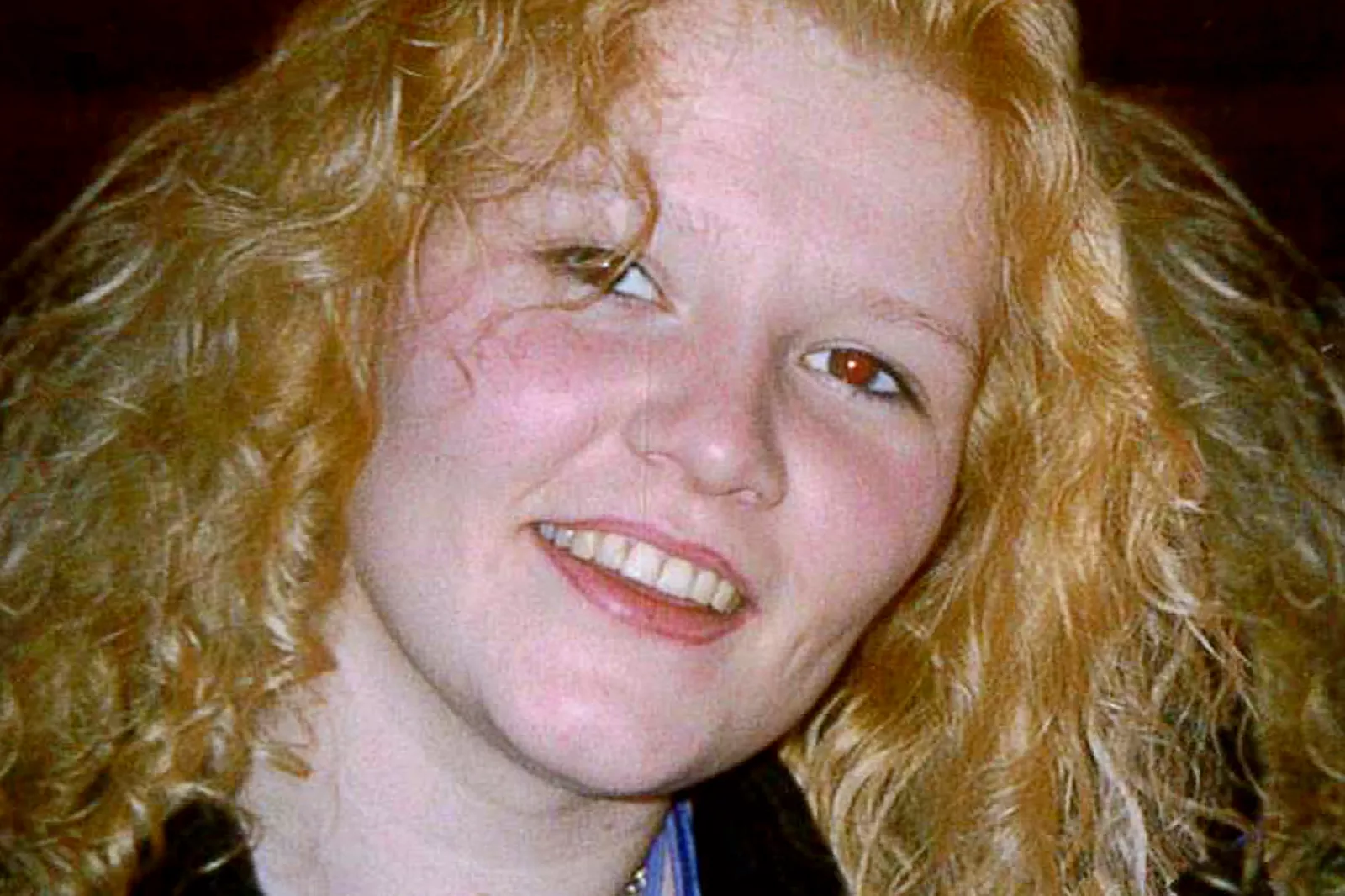
Emma Caldwell, a 27-year-old who had turned to sex work to fund a heroin addiction developed after her sister’s death, disappeared in Glasgow in April 2005. Her body was found five weeks later, on 8 May, in Limefield Woods near Biggar, South Lanarkshire. The major inquiry, codenamed Operation Grail, quickly identified Packer, a prolific sex offender, as a prime suspect. Former detective Davie Barr, who was involved, stated he was “100% certain” of Packer’s guilt, a feeling echoed by colleagues. “Everybody felt the same,” Mr Barr said. “I’m pretty sure if you gathered every single officer who worked in Operation Grail, there was only one person that didn’t think Iain Packer was responsible.”
A Suspect Confesses, and is Shielded
The detectives’ suspicions were not theoretical. Packer had made startling admissions. He told Davie Barr that he had taken Emma Caldwell to Limefield Woods, the remote spot where her body was later discovered. Mr Barr was so convinced he phoned his senior investigating officer at home to declare Packer the killer, only to be told, “he’ll never be accused.” Another former detective, Stuart Hall, recalled his own certainty, saying of Packer, “this is the guy.” Yet, he was later summoned by a superintendent and instructed to do no more work on Packer.
Instead of pursuing Packer, the investigation dramatically pivoted. A parallel operation, code-named Operation Guard, focused on a group of Turkish men, one of whom had made the last call to Emma’s mobile. In 2007, businessman Abubekir Oncu and three others were charged with her murder. The case collapsed that same year due to flawed evidence, including alleged mistranslations and a botched undercover operation. With this failure, the investigation into Emma Caldwell’s murder effectively stalled.
Why Were the Warnings Ignored?
The central, agonising question is why the clear warnings from front-line detectives were dismissed. The emerging picture suggests a combination of institutional failure, a potential fixation on alternative suspects, and a dismissive attitude towards victims from marginalised communities. Former Detective Constable Allan Richmond, who made a breakthrough linking Packer to Caldwell, has alleged that senior officers concealed evidence and deliberately ignored statements.
There are also darker suggestions. One of Packer’s many victims, who knew Emma Caldwell, has speculated that some of Caldwell’s clients may have been police officers, and that there was a reluctance to investigate Packer thoroughly for fear he might reveal this. Furthermore, the Crown Office and Procurator Fiscal Service (COPFS) is under scrutiny; it is alleged that by 2008, the Lord Advocate believed there was sufficient evidence to prosecute Packer, yet no action was taken. The delay has been attributed by some to professional embarrassment over the failed case against the Turkish men and a dogged commitment to that original theory.
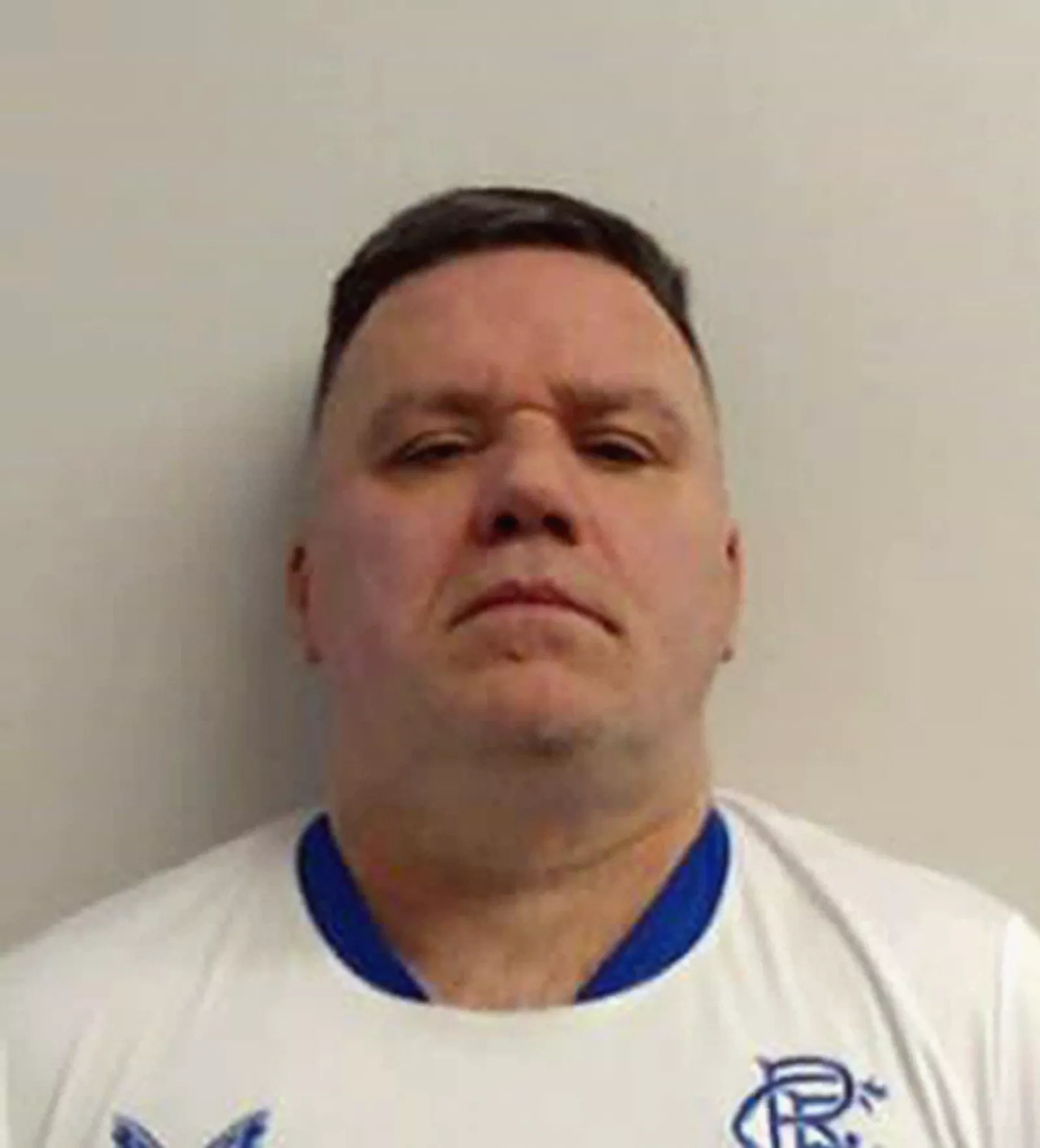
The human cost of this failure is incalculable. Iain Packer’s reign of violence continued. In February 2024, he was finally convicted at the High Court in Glasgow not only of Emma Caldwell’s murder but of 32 other charges, including rapes and assaults against a total of 22 women over more than 25 years. He received a life sentence with a minimum term of 36 years, the second-longest in Scottish legal history. As Davie Barr poignantly noted, “other girls were sexually assaulted, in the years that he’s been free, which is unacceptable.”
The long road to justice was paved by the relentless campaigning of Emma’s mother, Margaret Caldwell, and investigative journalism. A 2015 Sunday Mail exposé revealed Packer’s admissions about taking Emma to the woods, leading to a re-investigation by Police Scotland. Journalist Sam Poling’s BBC Radio Scotland podcast, “Who Killed Emma?”, and a 2019 BBC Disclosure documentary, where Packer admitted lying about raping Caldwell, kept pressure on the authorities.
Now, the full machinery of a public inquiry seeks answers. Announced by Scottish Justice Secretary Angela Constance in March 2024 and chaired by Lord Scott KC, the independent inquiry formally began its work in December 2025. It will examine the entire police investigation, including the role of the COPFS, to identify the failures that allowed a known predator to evade justice for so long. Police Scotland has already apologised for the “serious failings” of the original Strathclyde Police investigation.
The detectives’ early certainty, once an isolated cry in the incident room, is now the established truth. The inquiry must now uncover why that truth was silenced for a generation.